





Trip Sheet: Evolution of Seat Belt Laws on U.S. School Buses
Ohio School Bus Task Force Stops Short of Seat-Belt Mandate
A working group formed after the fatal ejection of an 11-year-old boy from an Ohio school bus issued a report with 17 recommendations about driver training and safety related to school buses.
February 1, 2024
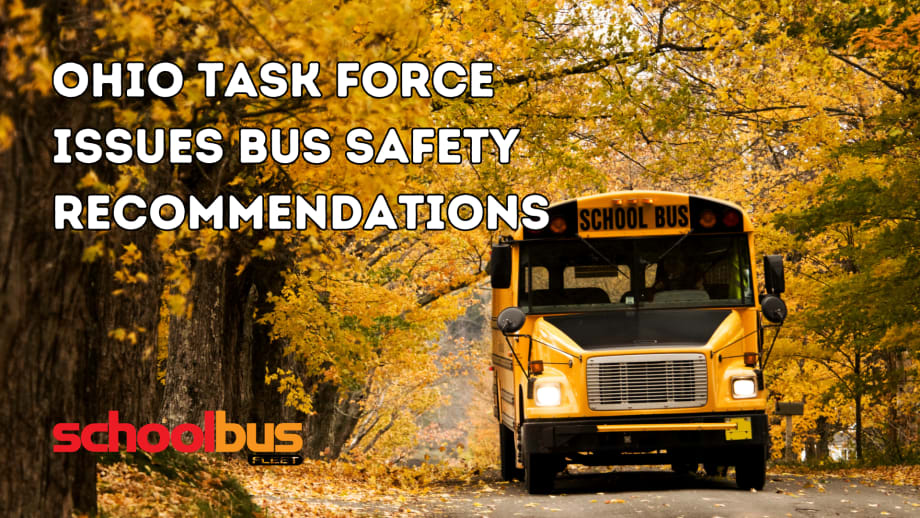
The working group formed by Ohio Gov. Mike DeWine made 17 recommendations, including a grant for school bus safety equipment. However, the report didn't include a request for a seat-belt mandate.
Image: Canva
4 min to read
An Ohio task force formed in the aftermath of a fatal school bus accident last year came back with more than a dozen recommendations in January.
None of them call for making seat belts mandatory on buses.
Gov. Mike DeWine put the Ohio School Bus Safety Working Group together after 11-year-old Aiden Clark was ejected from a school bus and died during a wreck in Lawrenceville. More than 20 other people were seriously injured in the accident.
Recommendations: Safety Training for School Bus Drivers, Parents, and Students
The group made 17 recommendations in its report, including:
School districts should identify, share, and encourage bus drivers to participate in professional development opportunities.
State officials should create and offer wellness programming specific to school bus drivers.
Districts should develop driver performance review policies and conduct annual performance evaluations.
The Ohio Department of Education and Workforce should require and provide curriculum for six hours of annual bus driver training.
State officials should partner to expand advanced driver training for Ohio school bus drivers.
The state should adopt rules requiring school districts to offer school bus safety orientation to students, parents, and guardians at the beginning of each school year.
The Ohio State Highway Patrol should work with law enforcement partners to develop training on school bus inspections and the most common safety risks for student passengers.
The state should develop and fund a needs-based grant program to help school districts invest in school bus safety features including, but not limited to, seat belts.
The state should impose stiffer penalties on drivers who violate traffic laws in school zones and around school buses.
The Ohio Department of Transportation should support cities, townships, and villages to assess safety conditions on local roads in and around school zones.
Districts should conduct safety audits of bus routes, stops, and school pickup/dropoff sites on school property to reduce safety risks and mitigate the severity of school bus crashes.
Districts should engage bus drivers in critical incident response planning and include them in realistic scenario-based critical incident exercises.
The OSHP should hold regular school bus stakeholder meetings to identify and mitigate gaps in critical incident responses to school bus crashes and other bus-related security issues.
A Good Enough First Step?
In the report, Andy Wilson, director of the Ohio Department of Public Safety, stated that the working group studied issues related to school buses ranging from bus inspections and driver training to technology and lessons learned from past accidents.
“I want to emphasize that despite the tragic school bus crash in Clark County last year, school buses remain one of the safest modes of transportation for children to and from school, thanks in large part to the dedication that school bus drivers have to the safety of the students in their care,” Wilson wrote. “School buses are involved in less than 1% of all crashes in the state, and before the Northwestern Local School District school bus crash, Ohio had not had a death on a school bus since 2010. The goal of the group was not to determine whether school buses are safe but how to make them safer.”
He described the recommendations as “a starting point.”
The effort wasn’t good enough for Dr. Rudy Breglia, however, because it stopped short of pushing for a seat-belt mandate.
In an email addressed to Ohio legislators, Breglia wrote: “With the group’s recommendation, the governor has now passed back the responsibility for enhancing school bus safety with seat belt installation or any other safety changes to school districts while promising a vague grant program. In this serious bus driver shortage environment, where drivers are concerned with liability and workload issues, school districts are surely not going to antagonize their own school bus drivers by installing seat belts that the drivers and other lobbying groups bitterly oppose with or without a grant program.”
He went on to suggest that the lack of a mandate could lead to further fatalities.
“Undoubtedly, in the future another blue-ribbon committee will be formed when the next fatality of an innocent occurs and maybe then leadership will evolve to resolve this issue,” Breglia wrote.
More Safety

How to Build a Better School Bus Driver Training Program
Is it time to strengthen your driver training? Here’s how to pick the right talent and improve recruitment, retention, and safety. This video is brought to you by IC Bus.
Read More →
Recent School Bus Accidents Leave 2 Dead, 2 Injured
Four school bus crashes in Florida, Illinois, and Georgia highlight risks in transportation lots, at bus stops, and during student loading and unloading.
Read More →
Sponsored•September 8, 2026
When Every Second Matters, Clarity Keeps Routes Moving
From routine delays to urgent incidents, strong communication practices help drivers, dispatchers, schools, and families respond with confidence.
Read More →

What Happens When a School Bus Catches Fire — and What Can Help
School bus fires are rare but can be devastating. Learn how advances in fire suppression and asset protection help fleets detect fires earlier, reduce damage, and improve safety.
Read More →
Geotab Launches Tool to Help Fleets Investigate Road Incidents
Geotab Investigations combines telematics data, video, documents, and other evidence to help fleets reconstruct incidents, resolve claims, and determine what happened.
Read More →
Texas Sixth Grader Wins 2026 National School Bus Safety Poster Contest
Sai Darshana Yekolu of Moseley Middle School in Prosper, Texas, was named the newest winner for her artwork, bringing the theme of “Safe Rides, Everyday Heroes” to life.
Read More →
Sponsored•August 27, 2026
Doing More With Less: How Transportation Directors Can Prioritize Safety Amid Budget Uncertainty
With diesel prices soaring and nearly one-third of transportation directors expecting budget cuts, maintaining student safety has never been more challenging. Download this guide to learn how leading districts are prioritizing risk, funding critical safety technology, and building stronger budget cases with data.
Read More →
Walton County Schools Adds Gatekeeper Stop-Arm Enforcement System
The Florida district will deploy Gatekeeper’s updated Student Protector technology, which now incorporates AI to improve video evidence.
Read More →
How To Build a More Secure School Bus Yard During and After Hours
As thefts and overnight security threats continue, school transportation leaders are combining stronger operational practices with AI-enabled surveillance to better protect buses, facilities, and staff.
Read More →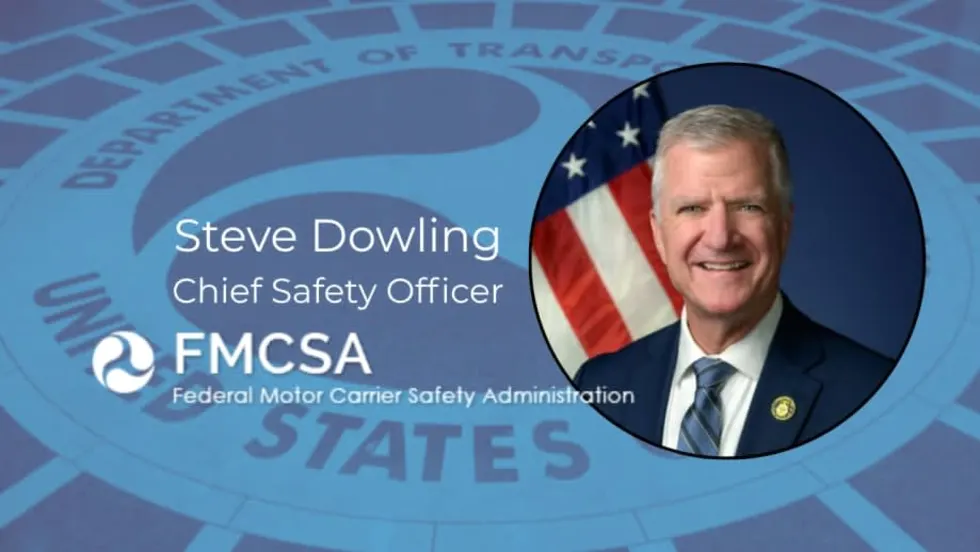
FMCSA Names New Chief Safety Officer: What School Bus Operators Should Know
Steve Dowling is set to lead the federal agency's efforts to advance commercial motor vehicle safety and reduce crashes, fatalities, and injuries on the nation's roadways.
Read More →