




NTSB: Proper lap belt use could have lessened injuries in bus crash
In its investigation of last year's fatal Chesterfield, N.J., school bus crash, the National Transportation Safety Board finds that some students wore their lap belts improperly and some didn't wear them at all. The agency says it believes that lap belts can provide a benefit to most school bus passengers who wear them properly, although the addition of shoulder belts would reduce flailing injuries and provide greater protection.


NTSB Managing Director David Mayer provides an opening statement during the Tuesday board meeting on the Chesterfield, N.J., school bus and truck crash.
WASHINGTON, D.C. — The National Transportation Safety Board (NTSB) on Tuesday effectively endorsed lap belts and lap-shoulder belts for school buses, with the caveat that more training is needed to ensure that the belts are used properly.
The NTSB held a meeting on Tuesday morning to determine the probable cause of the February 2012 fatal school bus and truck crash near Chesterfield, N.J., and to consider safety recommendations.
The agency found that the probable cause of the Chesterfield crash was "the school bus driver's failure to observe the roll-off truck, which was approaching the intersection within hazardous proximity."
The NTSB also cited several factors that contributed to the severity of the crash, including the bus driver's poor sleep habits, the truck driver's traveling above the posted speed limit, the overloading of the truck and problems with the brake system on the truck.
Also, contributing to the severity of injuries were the misuse or non-use of lap belts by students on the school bus, the NTSB found. Some students wore their lap belts properly, but some wore them improperly or not at all.
In addition to the Chesterfield crash, the NTSB analyzed evidence from the March 2012 fatal school bus and truck crash in Port St. Lucie, Fla. That bus was also equipped with lap belts, and bus video surveillance footage of the incident helped the NTSB in analyzing the performance of the belts.
NTSB biomechanical engineer Dr. Kristin Poland said in the Tuesday meeting that the agency's staff believes that lap belts can provide a benefit to most school bus passengers who wear them properly, although the addition of shoulder belts would reduce flailing injuries and provide greater protection. She said that the agency also believes that additional training is needed for students, school bus drivers, parents and staff to help ensure that students use the belts properly.
In response to the Chesterfield crash, the NTSB developed close to a dozen new safety recommendations on truck and school bus topics.
To states that have seat belt requirements for large school buses, the agency recommended developing a handout for school districts to distribute annually to students and parents about the importance of the proper use of all types of passenger seat belts on school buses, "including the potential harm of not wearing a seat belt or wearing one but not adjusting it properly." Also recommended is that those states develop training procedures for schools to follow during twice-yearly drills to show students how to wear seat belts properly.
Another of the recommendations, to the school bus industry's national associations, is to provide their members with educational materials on lap-shoulder belts "providing the highest level of protection for school bus passengers" and to advise states or school districts to "consider this added safety benefit when purchasing seat belt-equipped school buses."
Still, the NSTB stressed during the Tuesday meeting that school buses are safe even without seat belts, in large part because of the protection of compartmentalization.
"School buses are extremely safe without any restraint system on them," Poland noted.
In wrapping up the meeting, NTSB Chairman Deborah Hersman noted that as school starts up again across the nation, many students will be climbing aboard school buses for the first time.
"Their parents and guardians should know that riding the bus is the safest way to get to school and get home again," Hersman said. "But we know that improvements can be made. ... That is the goal of our team's work, of this report and of the safety board's existence: to make improvements to transportation safety."
Mike Martin, executive director of the National Association for Pupil Transportation (NAPT), said that the association has long sought science-based information and definitive recommendations from federal experts on school bus safety enhancements.
On Tuesday, the NTSB "added valuable new information to the discussion about improving passenger crash protection in a school bus," Martin said. "We continue to believe that state and local policymakers need information like this, information derived from fact-based analysis and testing as well as recommendations based on data and science rather than emotions, to make decisions that will improve the passenger crash protection system in large school buses."
Martin added that NAPT will work with the NTSB and the National Highway Traffic Safety Administration "to evaluate the practicability of implementing the recommendations that have been offered today."
More details on the NTSB's meeting and recommendations are available on the agency's website here.
More Safety
Illegal School Bus Passing Drops 24% in New York Districts
With fewer than 5% of citations involving repeat offenders, Westchester County officials said enforcement, education, and community partnerships are helping change driver behavior.
Read More →
School's Back. Here's What Happened to Traffic, Speeding & Distraction
What happens to traffic when school resumes? New data analysis examines changes in distracted driving, congestion, and speeding around schools.
Read More →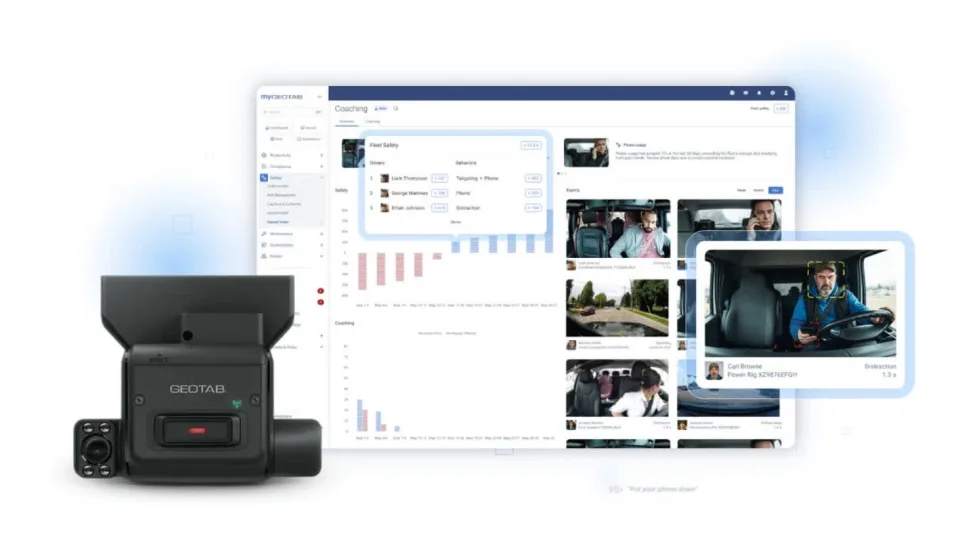
Geotab Expands Fleet Safety Tools With Video Coaching, Risk Insights
New safety and video capabilities aim to help fleet managers assess risk, support drivers, and take targeted action through video coaching, red-light violation detection, and more.
Read More →

How to Build a Better School Bus Driver Training Program
Is it time to strengthen your driver training? Here’s how to pick the right talent and improve recruitment, retention, and safety. This video is brought to you by IC Bus.
Read More →
Recent School Bus Accidents Leave 2 Dead, 2 Injured
Four school bus crashes in Florida, Illinois, and Georgia highlight risks in transportation lots, at bus stops, and during student loading and unloading.
Read More →
When Every Second Matters, Clarity Keeps Routes Moving
From routine delays to urgent incidents, strong communication practices help drivers, dispatchers, schools, and families respond with confidence.
Read More →
What Happens When a School Bus Catches Fire — and What Can Help
School bus fires are rare but can be devastating. Learn how advances in fire suppression and asset protection help fleets detect fires earlier, reduce damage, and improve safety.
Read More →
Geotab Launches Tool to Help Fleets Investigate Road Incidents
Geotab Investigations combines telematics data, video, documents, and other evidence to help fleets reconstruct incidents, resolve claims, and determine what happened.
Read More →
Texas Sixth Grader Wins 2026 National School Bus Safety Poster Contest
Sai Darshana Yekolu of Moseley Middle School in Prosper, Texas, was named the newest winner for her artwork, bringing the theme of “Safe Rides, Everyday Heroes” to life.
Read More →
Doing More With Less: How Transportation Directors Can Prioritize Safety Amid Budget Uncertainty
With diesel prices soaring and nearly one-third of transportation directors expecting budget cuts, maintaining student safety has never been more challenging. Download this guide to learn how leading districts are prioritizing risk, funding critical safety technology, and building stronger budget cases with data.
Read More →