




NTSB cites driver fatigue, lax oversight in fatal crash
A motorcoach operated by Sky Express Inc. struck a cable barrier and overturned last May, killing four passengers. The agency finds that the driver's schedule limited his opportunity for sleep in the 72 hours leading up to the crash, and the Federal Motor Carrier Safety Administration repeatedly failed to enforce safety regulations against Sky Express.

WASHINGTON, D.C. — A severely fatigued motorcoach driver who lost control of the vehicle was among the probable causes of a fatal motorcoach crash last May, the National Transportation Safety Board (NTSB) reported.
The agency also cited the failure of Sky Express Inc., the company operating the motorcoach involved in the crash, to manage safe driving practices, and a lack of adequate regulatory oversight as contributing factors to the crash.
On the morning of May 31, 2011, a 2000 Setra motorcoach was traveling on an interstate in Doswell, Va., en route from Greensboro, N.C., to New York when it crossed the rumble strips and traveled onto the right shoulder, striking a cable barrier and overturning onto its roof. Four of the 58 passengers were killed and 49 others were injured.
"This crash should never have happened," NTSB Chairman Deborah Hersman said. "It was entirely preventable. Those travelers were failed at three levels: by the driver, the operator and the regulator."
An examination of the driver's work schedule, sleep times and cell phone use revealed that his opportunity for sleep in the 72 hours prior to the crash was limited, resulting in what the NTSB described as "acute sleep loss, poor sleep quality and circadian disruption."
The NTSB also found that Sky Express Inc. management failed to follow adequate safety practices and exercise safety oversight of the driver. The agency cited the Federal Motor Carrier Safety Administration (FMCSA) as contributing to the accident because of lax safety oversight of Sky Express and repeated failure to enforce federal safety regulations against the company.
This failure resulted in Sky Express continuing its operations despite the existence of serious safety issues, NTSB said. Sky Express was only operating at the time of the crash because of an additional temporary extension granted to the company by FMCSA. The agency removed the carrier's operating authority after the accident.
"You have to ask why an overburdened regulator, like FMCSA, with resources to conduct compliance reviews on only 2-3% of operators each year, would visit the same operator year after year?" Hersman added. "And even more to the point, given all the reviews that identified a myriad of safety deficiencies, why was Sky Express still operating?"
As a result of its 13-month-long investigation, the NTSB made three new safety recommendations to FMCSA and also reiterated and reclassified previous recommendations to the National Highway Traffic Safety Administration and FMCSA.
A synopsis of the NTSB report, including the probable cause, findings and a complete list of the safety recommendations, is available here.
The full report will be available on the NTSB website in several weeks, officials said.
Other recent news related to the NTSB:
More Safety
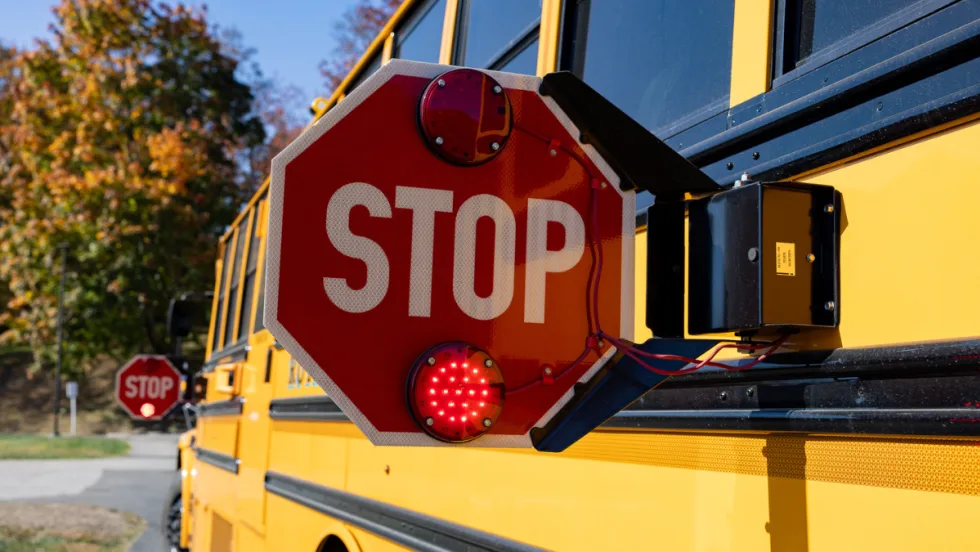
Illegal School Bus Passing Drops 24% in New York Districts
With fewer than 5% of citations involving repeat offenders, Westchester County officials said enforcement, education, and community partnerships are helping change driver behavior.
Read More →
School's Back. Here's What Happened to Traffic, Speeding & Distraction
What happens to traffic when school resumes? New data analysis examines changes in distracted driving, congestion, and speeding around schools.
Read More →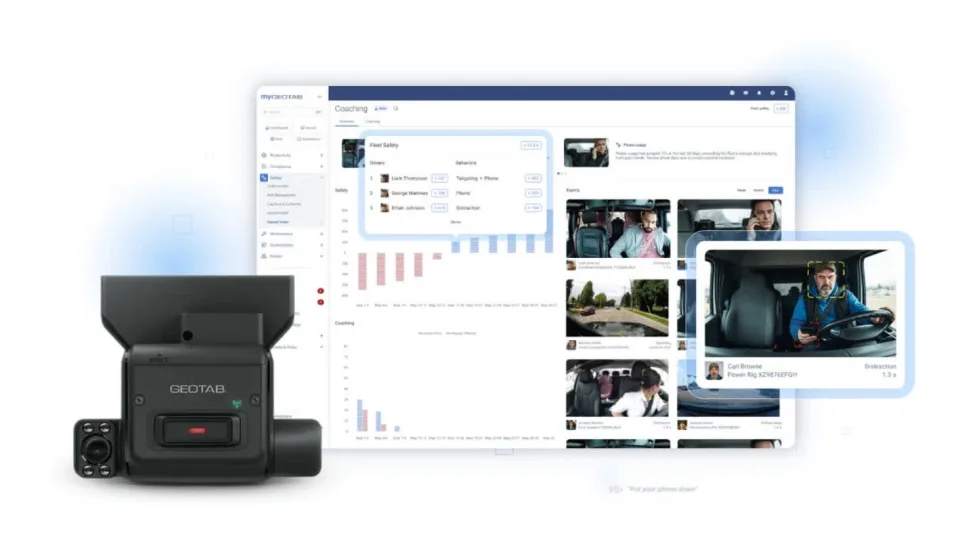
Geotab Expands Fleet Safety Tools With Video Coaching, Risk Insights
New safety and video capabilities aim to help fleet managers assess risk, support drivers, and take targeted action through video coaching, red-light violation detection, and more.
Read More →
How to Build a Better School Bus Driver Training Program
Is it time to strengthen your driver training? Here’s how to pick the right talent and improve recruitment, retention, and safety. This video is brought to you by IC Bus.
Read More →
Recent School Bus Accidents Leave 2 Dead, 2 Injured
Four school bus crashes in Florida, Illinois, and Georgia highlight risks in transportation lots, at bus stops, and during student loading and unloading.
Read More →
When Every Second Matters, Clarity Keeps Routes Moving
From routine delays to urgent incidents, strong communication practices help drivers, dispatchers, schools, and families respond with confidence.
Read More →
What Happens When a School Bus Catches Fire — and What Can Help
School bus fires are rare but can be devastating. Learn how advances in fire suppression and asset protection help fleets detect fires earlier, reduce damage, and improve safety.
Read More →
Geotab Launches Tool to Help Fleets Investigate Road Incidents
Geotab Investigations combines telematics data, video, documents, and other evidence to help fleets reconstruct incidents, resolve claims, and determine what happened.
Read More →
Texas Sixth Grader Wins 2026 National School Bus Safety Poster Contest
Sai Darshana Yekolu of Moseley Middle School in Prosper, Texas, was named the newest winner for her artwork, bringing the theme of “Safe Rides, Everyday Heroes” to life.
Read More →
Doing More With Less: How Transportation Directors Can Prioritize Safety Amid Budget Uncertainty
With diesel prices soaring and nearly one-third of transportation directors expecting budget cuts, maintaining student safety has never been more challenging. Download this guide to learn how leading districts are prioritizing risk, funding critical safety technology, and building stronger budget cases with data.
Read More →