




NTSB calls for speed limiters on trucks, buses
In response to last year's motorcoach crash in New York City that killed 15 people, the National Transportation Safety Board recommends that all new heavy vehicles be equipped with advanced speed-limiting technology.

New trucks and buses should be equipped with advanced speed-limiting technology, according to a new recommendation from the National Transportation Safety Board (NTSB).
The recommendation stems from NTSB's investigation of the March 2011 motorcoach crash in New York City that killed 15 people.
NTSB found that the speed limit at the accident location was 50 mph, but the motorcoach driver was traveling 64 mph after departing the travel lanes of the highway.
"Had he been driving at or below the speed limit (50 mph), he may have been able to steer the bus away from the guardrail, preventing the rollover and collision with the vertical highway signpost," the agency said in an investigation synopsis.
The motorcoach was equipped with a speed limiter, but it was set to 78 mph.
NTSB noted that although there is "significant interest" in the use of advanced speed-limiting technology, there are no federal performance standards that address the technology or require it in heavy vehicles.
Accordingly, the agency recommended that the National Highway Traffic Safety Administration (NHTSA) develop performance standards for advanced speed-limiting technology — such as variable speed limiters and intelligent speed adaptation devices — for heavy vehicles, including trucks, buses and motorcoaches.
After establishing the performance standards, NHTSA should require such devices in all newly manufactured heavy vehicles, NTSB recommended.
The safety board made numerous other recommendations in response to the New York City crash. One calls on the Federal Motor Carrier Safety Administration to require that states retain on the Commercial Driver’s License Information System driver record all convictions, disqualifications and other licensing actions for violations during the prior 10 years.
While the motorcoach's speed was cited as a contributing factor, NTSB found that the probable cause of the accident was the driver's "failure to control the motorcoach due to fatigue resulting from failure to obtain adequate sleep, poor sleep quality and the time of day at which the accident occurred [about 5:38 a.m.]."
For the full NTSB accident report and recommendations, go here.
Last fall, NTSB issued the results of a six-month study on curbside motorcoach safety that was initiated after the New York City motorcoach crash.
More Safety
How a Texas District Built an Award-Winning Safety Culture
Rockwall ISD's Jennifer Gardella joins The Route to share lessons learned on accident prevention, driver training, coaching, technology, and team culture.
Read More →
How Rockwall ISD Built an Award-Winning Safety Culture
How did one Texas transportation team strengthen bus and traffic safety? Jennifer Gardella shares lessons on driver training, coaching, technology, and team culture. The Route is brought to you by IC Bus.
Read More →
North Carolina Student Killed While Boarding School Bus, Two Die in Utah Bus Crash
A Southern Nash High School student died after being struck by a pickup truck while approaching her school bus. In a separate incident, two people were killed after crashing into a school bus in Utah.
Read More →
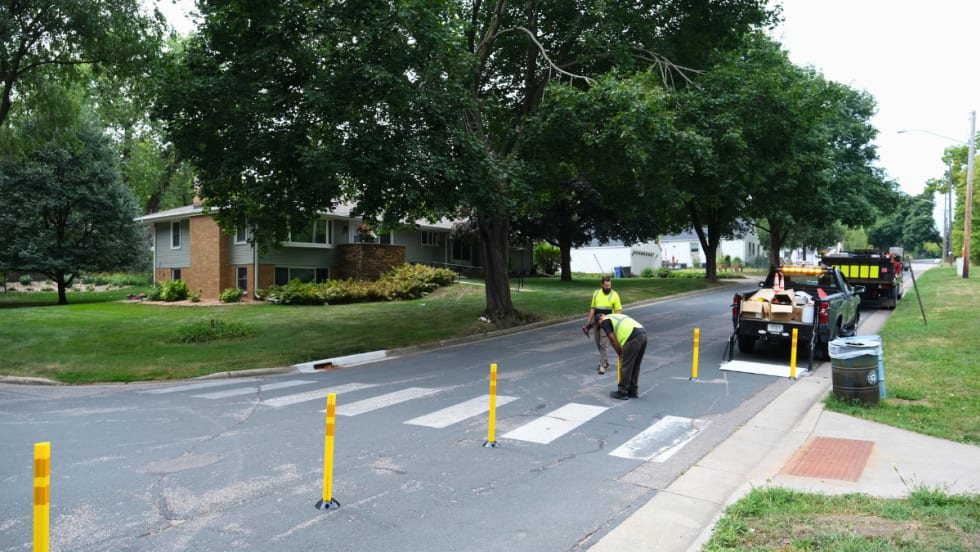
Minneapolis School Zone Pilot Cuts Speeding 41% with Low-Cost Street Design Changes
In a pilot project in Minnesota, two school-area intersections had low-cost, temporary road and traffic flow improvements made to measure the impact on roadway and student safety. Here's what they found.
Read More →
Sitestream, Safety Vision Partner with Connecticut City to Launch School Bus Stop-Arm Camera Program
The new enforcement initiative combines camera technology and violation management software to document illegal school bus passing, encourage driver compliance, and enhance student safety.
Read More →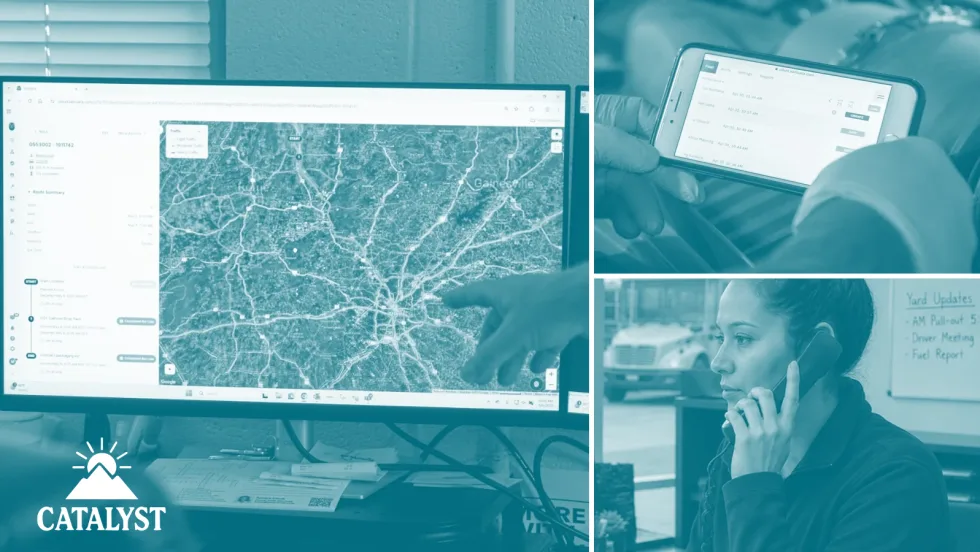
From Reactive to Proactive: Making Every Ride Visible
Smart technology only delivers its full value when it works together. See how Catalyst connects proven industry platforms to move student transportation from reactive to proactive.
Read More →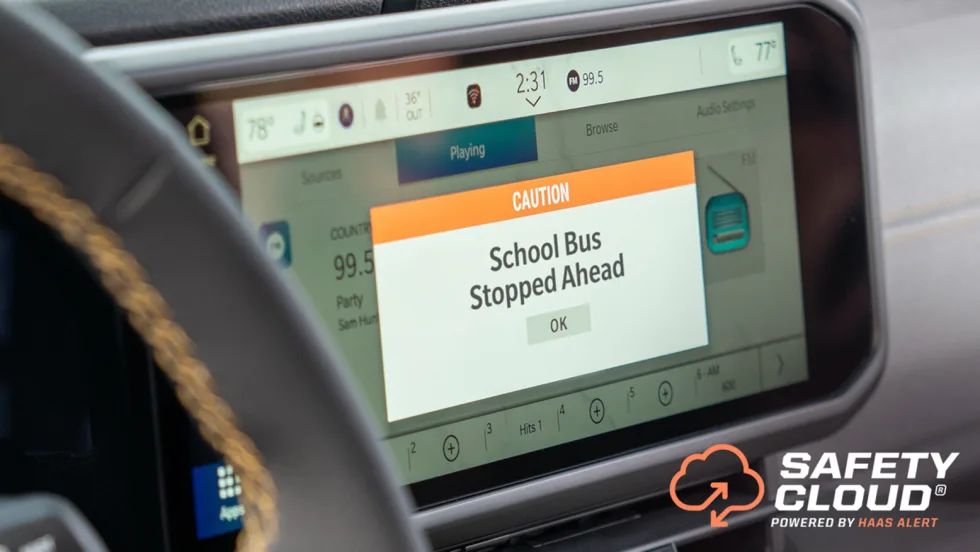
HAAS Alert’s Safety Cloud Warns Motorists of Stopped School Buses
Through a transponder or Samsara connection, the product lets school bus fleets send advance warnings to approaching drivers through in-vehicle alerts.
Read More →
HopSkipDrive Reports Progress on Safety Advisory Council
More than a year after forming the council, independent safety experts have helped shape new rider-safety features and policy progress, with a new goal to address rider behavior.
Read More →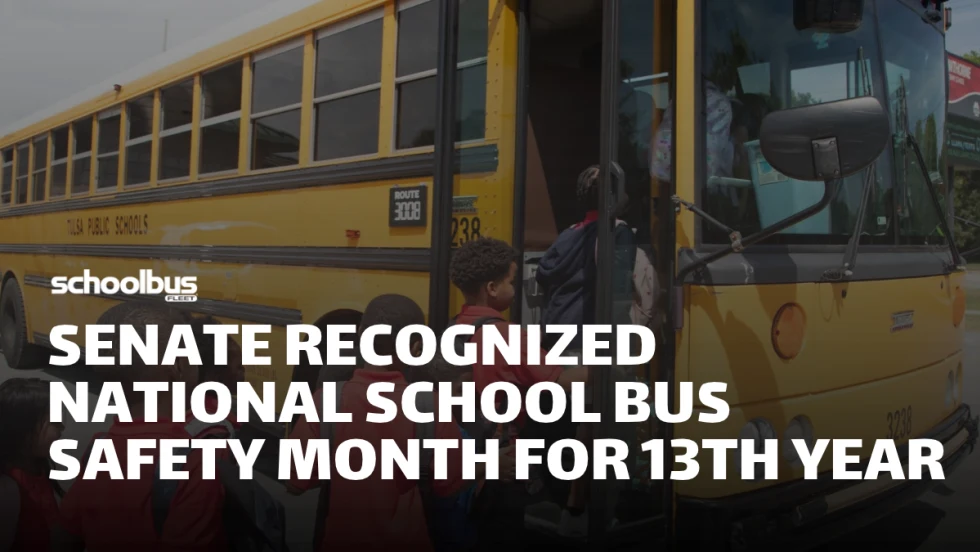
What the 2026 National School Bus Safety Month Resolution Means for Student Transportation
The bipartisan resolution highlights illegal school bus passing, student safety during loading and unloading, and the need for driver training and public education.
Read More →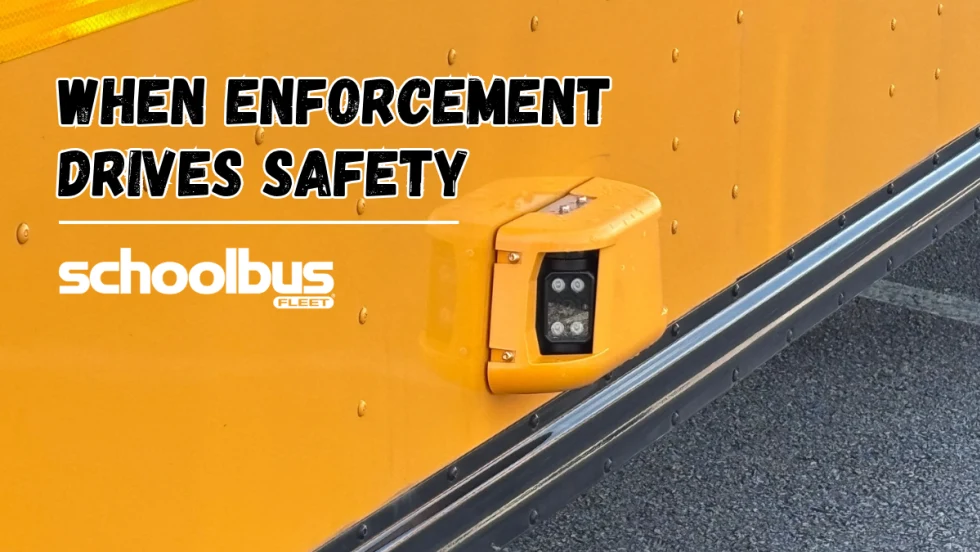
School Bus Stop-Arm Violations Decline 53% Across Verra Mobility Programs
Verra Mobility shares how school bus stop-arm cameras and school zone safety programs are changing driver behavior, reducing violations, and protecting students.
Read More →