




New York stop-arm survey estimates 35K violations
NYAPT’s latest study of illegal passing of school buses finds an increased rate of violations compared to previous counts.

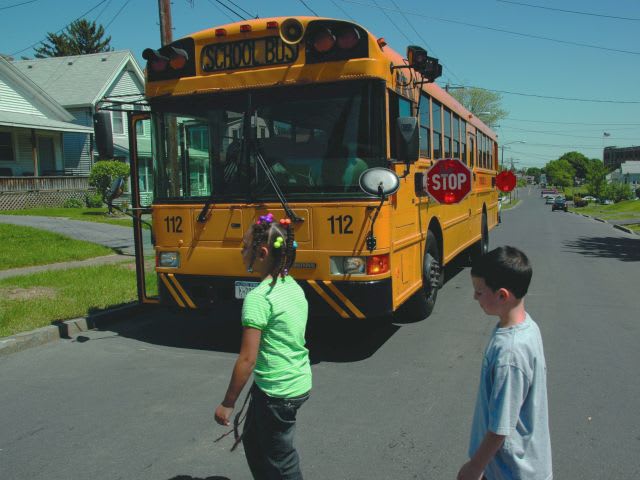
NYAPT President David Adam says stop-arm survey results show that “over 28,000 motorists are really putting our children at risk of being injured or killed every day.”

A survey of illegal passing of school buses in New York last week found an increased rate of violations compared to previous counts.
The New York Association for Pupil Transportation (NYAPT) began conducting monthly stop-arm surveys in October. In the most recent, held on Feb. 10, 618 school bus drivers in 23 school districts reported that they were passed a total of 431 times, including seven passes on the passenger side of the bus.
Applying that rate of illegal passing to the more than 50,000 school buses in New York state, NYAPT determined that the total estimated illegal passing rate for that day was 34,871 passes — with 526 of those being on the passenger side of the bus.
“Over five months of our survey, this is the highest count by far,” NYAPT President David Adam said. “Our survey is now averaging 28,206 passes per day. This means over 28,000 motorists are really putting our children at risk of being injured or killed every day.”
NYAPT is urging the state Senate and Assembly to pass legislation that will allow cameras to be mounted on the exterior of school buses, and the evidence from those cameras to be used to prosecute motorists who pass stopped school buses illegally. Association officials said they believe there is significant support for that legislation (S3509B and A1520B) and that it would pass if it came to a vote.
“We have shared five months of data on this problem, and it’s time for action,” NYAPT Executive Director Peter Mannella said. “February is national Love the Bus month, and we wish that motorists would show respect not only for the school bus, but mostly for the children who ride on those school buses.”
More Safety
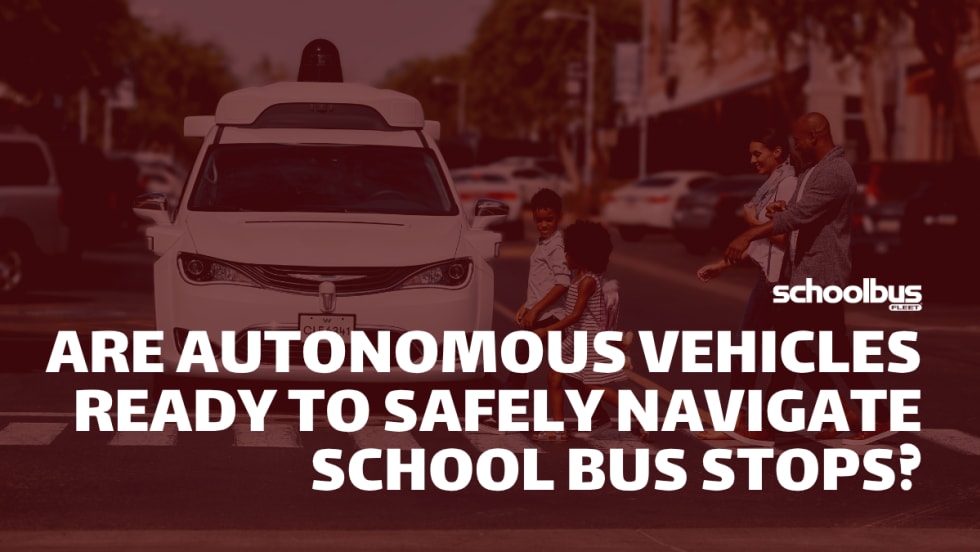
Are Autonomous Vehicles Ready to Safely Navigate School Bus Stops?
NHTSA is accelerating autonomous vehicle deployment through new safety standards and commercial approvals. See why school transportation leaders are watching.
Read More →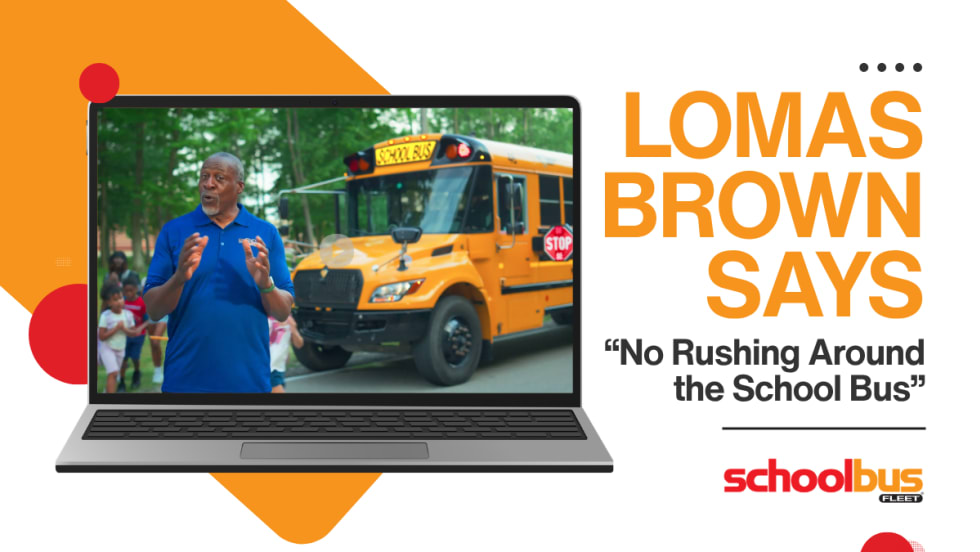
NFL Star Lomas Brown Kicks Off New Illegal School Bus Passing PSA
Just in time for the back-to-school season, the former Detroit Lions offensive tackle took time to record a video encouraging motorists to slow down around school buses.
Read More →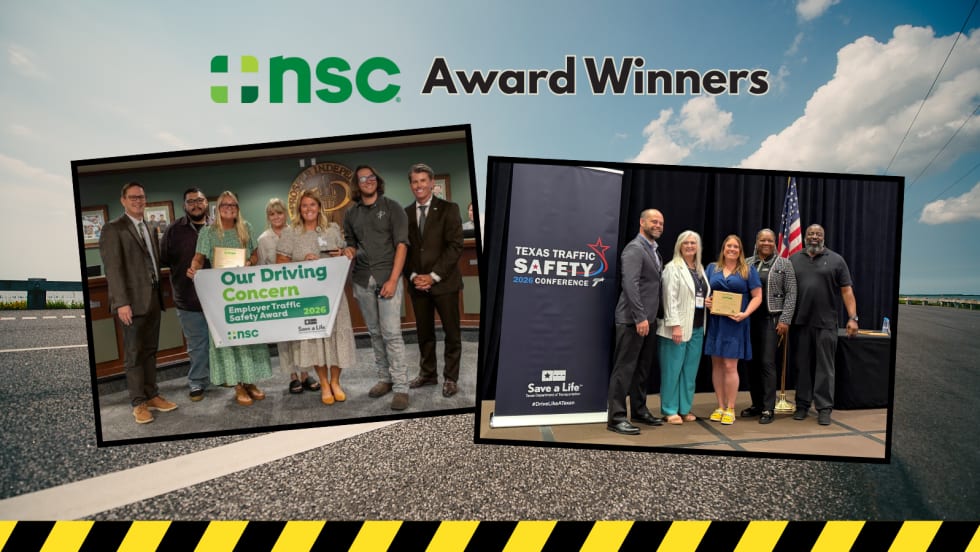
How Two Texas Districts Built Award-Winning Safety Programs
Learn how Prosper ISD and Rockwall ISD earned National Safety Council honors through hands-on training, safety culture, and strategies that reduced transportation incidents.
Read More →
NHTSA Releases 10-Year Review of Fatal School Bus Crashes
The latest federal analysis reinforces the safety of school buses while identifying where school-age pedestrians and other motorists remain most at risk.
Read More →
2026 NASDPTS Survey: Data Shows Further Reduction of Illegal Passing
New data is in! School bus stop-arm passings are down to 38.4 million violations per year, about a 2.3% decrease from last school year — but passings on the right side of the bus are higher than ever.
Read More →
Another School Bus Fatality Reported in Monsey, New York
A 7-year-old girl died after being struck by a school bus in Rockland County, New York while crossing the street. Here's what we know.
Read More →
NSTA Announces 2026 School Bus Driver International Safety Competition Winners
Drivers from across the U.S. and Canada showcased their safety and driving skills, with two defending champions successfully retaining their titles.
Read More →
The Driver Shortage Playbook
Driver shortages are still a major challenge for student transportation fleets, but the real issue has shifted. It’s no longer just about filling seats quickly. It’s about finding safe, reliable drivers who meet performance expectations and want to stay. The Driver Shortage Playbook covers why traditional recruitment tactics are falling short and how school fleets are adapting with smarter hiring, stronger retention strategies and a greater focus on driver quality.
Read More →
Pro-Vision Launches AI-Powered 360° Camera System
The new Birdseye camera delivers real-time AI-based pedestrian and vehicle detections, full visibility around the bus, and telematics integrations.
Read More →
N.Y. & N.J. Coalitions Call for Modernized Transportation for Vulnerable Students
New statewide coalitions in New York and New Jersey are urging lawmakers to expand student transportation options for vulnerable students amid ongoing driver shortages.
Read More →