




New Ultra-Low NOx Propane Engine Available for Some IC School Buses
IC Bus and Power Solutions International Inc. release the 8.8-liter engine for the school bus manufacturer’s CE Series school bus.
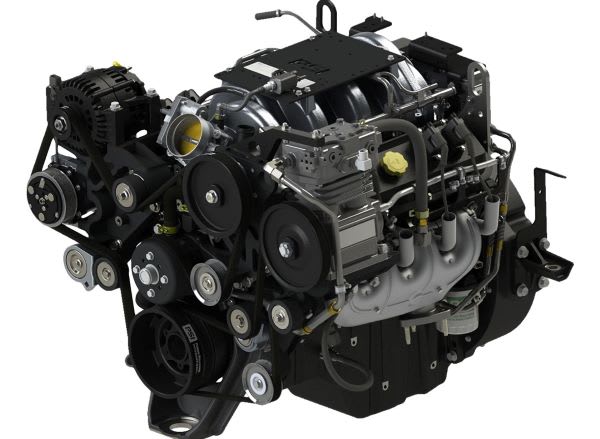
IC Bus and Power Solutions International Inc. have released a new 8.8-liter ultra-low nitrogen oxide emissions propane engine for the school bus manufacturer’s CE Series school bus.
Photo courtesy Power Solutions International
IC Bus and engines and power systems manufacturer Power Solutions International Inc. (PSI) have released a new 8.8-liter ultra-low nitrogen oxide (NOx) emissions propane engine for the school bus manufacturer’s CE Series school bus.
The engine, which was produced and purpose-built for the school bus industry as a collaboration between IC Bus and PSI, recently received certification from the U.S. Environmental Protection Agency (EPA) and California Air Resources Board (CARB) and is now available for order, according to news releases from both manufacturers.
With these approvals, customers looking to make the switch from diesel to propane are eligible for additional grant funding for their school bus purchases. Customers will still be able to purchase a bus with the conventional 8.8 propane engine in addition to this new offering, according to IC Bus.
“Propane is a growing segment for us, and we are proud to now offer an even cleaner solution to our customers,” said Trish Reed, vice president and general manager of IC Bus. “This new engine promises to deliver on our customer’s high standards for performance, durability, safety and environmental impact.”
The PSI high-performance V8 propane engine is designed to handle the rigors of on-road duty, delivering a clean-technology solution without sacrificing power or performance. The engine’s reportedly superior performance is driven by an engine control unit that integrates and coordinates all critical functions, including governor, variable ignition timing, air/fuel ratio control, knock suppression, and engine protection.
The engine offers 270 horsepower with 565 pound-foot of torque, comparable to PSI’s existing propane engines. It is certified to a NOx emission standard of 0.02 grams per brake horsepower (g/bhp-hr), making it one of the cleanest propane engines available on the market, according to the manufacturers. The engine has been certified beyond the EPA’s strictest emission standards and exceeds CARB’s optional low NOx standard for heavy-duty engines.
PSI will continue to offer its conventional 8.8-liter propane engine as well as the new ultra-low NOx version.
Over the past few years, IC Bus and PSI have collaborated to bring propane- and gasoline-powered alternatives to the school bus industry in an effort to reduce NOx emissions, which are known to be harmful to humans and the environment and contribute to ozone, smog, and other air quality issues.
“PSI is proud to support the growth of our customer, IC Bus, which first introduced the 8.8-liter propane engine in 2015,” said PSI CEO John Miller. “We continue to make advancements to our 8.8-liter engine, which is clean burning and unmatched in power and performance in the transportation industry.”
In addition, the IC Bus CE Series, which is powered by PSI’s propane engine, comes with a five-year unlimited miles warranty for the PSI engine and fuel system, and a seven-year unlimited miles warranty for the Allison Transmission. All warranty work on the PSI engine and Allison transmission can be serviced at the customer’s local IC Bus dealer.
Production is anticipated early next year, according to PSI.
More Alternative Fuels

CALSTART and Forth Combine to Form Catalyst Mobility
The new name represents a renewed vision for the nonprofit focused on advancing clean, equitable, and affordable transportation solutions that move people and goods.
Read More →
Alt-Fuel Moves: New Buses, Charging Hubs & Real-World EV Testing
Propane and electric school bus deployments continue to grow as districts add new vehicles, expand charging infrastructure, and gather more real-world operating data.
Read More →
Fewer Electric School Bus Models Reshape the U.S. Market
WRI’s latest buyer’s guide points to a consolidating electric school bus market, but fewer options may reflect a maturing industry rather than fewer meaningful choices for school bus operators.
Read More →
The Fuel Budget You Can Actually Predict: How Propane Autogas Keeps Money in the Classroom
Learn how propane autogas helps school districts manage fuel costs with predictable pricing, lower maintenance, and reduced emissions from former transportation director Joel Stutheit.
Read More →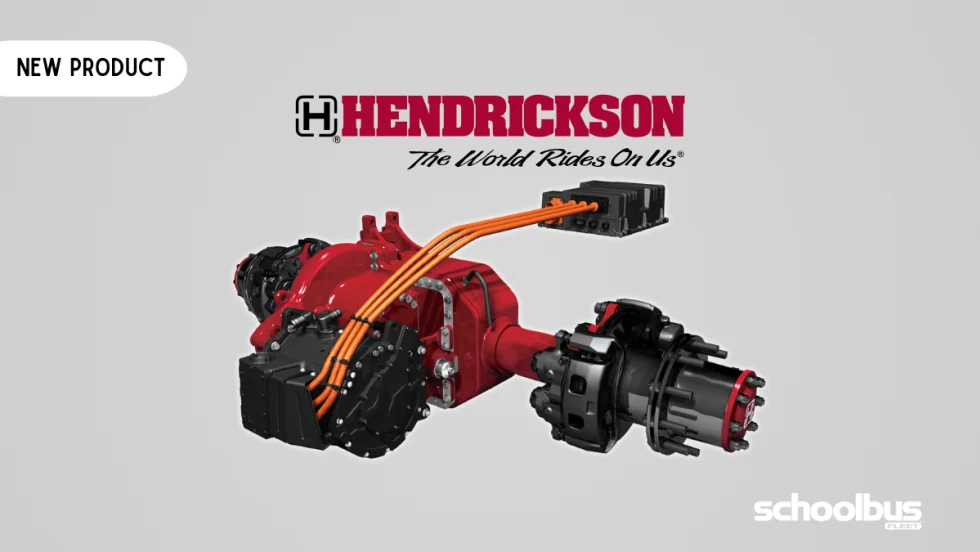
Hendrickson, Driventic Introduce New Electric Powertrain for School Buses
ELECTRAAX, the electrified, lightweight drive axle offers integrated ePowertrain efficiency and modular flexibility for Class 6–7 school bus use.
Read More →
The Mobility House Joins PowerFlex in Fleet Electrification Deal
The acquisition combines intelligent charging software, bidirectional charging expertise, and fleet electrification services to support the growing adoption of electric school buses across North America.
Read More →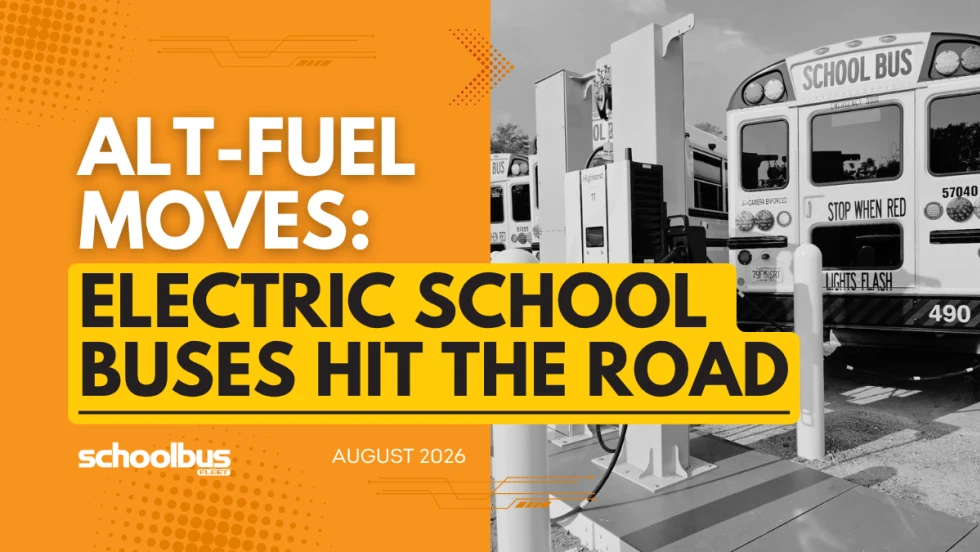
Alt-Fuel Moves: Electric School Bus Investments Hit the Road
See which districts across the U.S. are putting electric school buses into service, expanding charging infrastructure, and planning the next phase of fleet electrification.
Read More →
With Fuel Volatility Ahead, School Districts Turn to Propane
While diesel prices peaked above $5 this spring, districts with propane autogas-powered fleets paid under $2 per gallon, according to PERC.
Read More →
EPA Unveils Proposed Changes to 2027 Heavy-Duty Engine Rules
The federal agency has proposed changes to next year’s targets that would eliminate DEF derates, ease warranty requirements, and retain current NOx emissions standards.
Read More →
Alt-Fuel Moves: EV Charging & Infrastructure Projects Gain Momentum
The latest developments include new funding, charging infrastructure, utility investments, and fleet technologies designed to support the transition to electric school buses nationwide.
Read More →