



New Jersey Stop-Arm Camera Bill Advances
The state Senate passes a bill that would permit school districts to contract with a private vendor for stop-arm violation monitoring systems on their school buses.

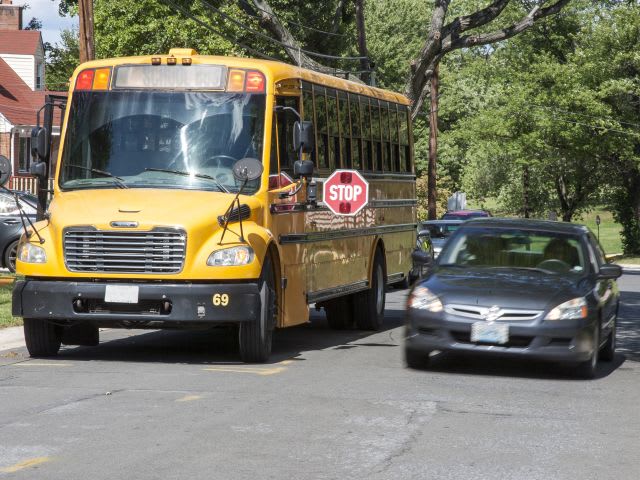
The New Jersey Senate has passed a bill that would permit school districts to contract with a private vendor for stop-arm violation monitoring systems on their school buses. Photo courtesy NHTSA

TRENTON, N.J. — The New Jersey Senate has passed a bill that would allow video enforcement of school bus stop-arm violations in the state.
S-211, approved in a 30-1 vote on Monday, would permit school districts to contract with a private vendor to install, operate, and maintain stop-arm violation monitoring systems on their school buses.
Motorists who are ticketed based on footage from the stop-arm cameras would be subject to a fine of $300 to $500, with no points assessed.
“We need to show drivers who think they can get away with passing a school bus that they are being watched,” said New Jersey Sen. Jim Holzapfel, a primary sponsor of the bill. “Sadly, this might be the only [way] we get them to stop.”
Under current rules in New Jersey, stop-arm citations are issued if a school bus driver, police officer, or parent records the license plate number of the violator. From 2012 to 2014, there were 4,900 citations issued by law enforcement to drivers who illegally passed school buses in the state, according to the New Jersey Administrative Offices of the Courts.
With the Senate having passed S-211, attention turns to the companion bill in the Assembly, A-3798, which is expected to be considered in the coming weeks.
The stop-arm camera measure is supported by multiple education and safety groups in the state, including the School Transportation Supervisors of New Jersey.
A recent incident may be helping build support among legislators. On Jan. 3, a 14-year-old girl in Upper Township, New Jersey, was seriously injured when she was struck by a car while crossing a highway to board her school bus, according to state police.
“Luckily, this young girl wasn’t killed in this accident,” Holzapfel said. “But we hear about this all the time from bus drivers. Even if they have their lights on, drivers still try to pass them. This foolish and dangerous behavior has to stop, and it won’t stop unless we can monitor it and enforce our laws.”
More Management
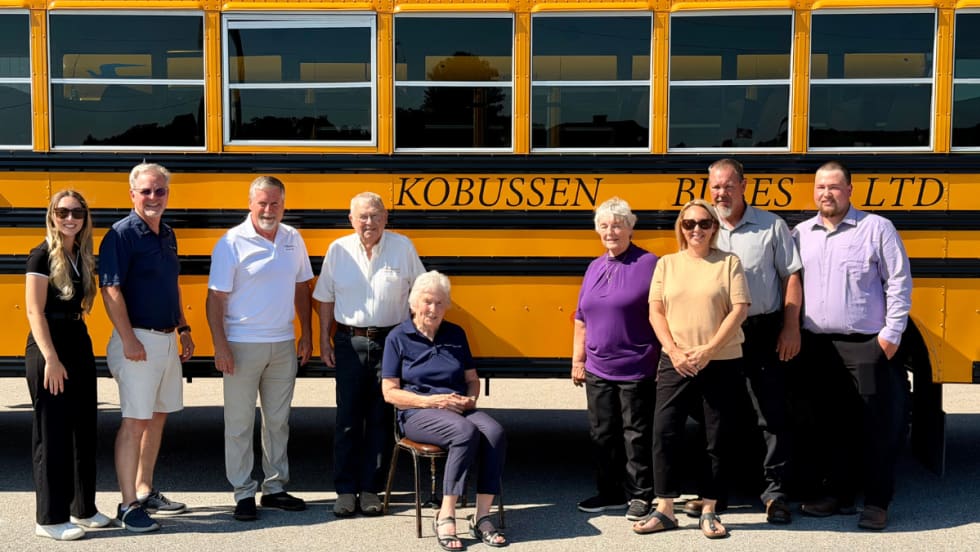
Neighbors Helping Neighbors: Nearly 90 Years of Safely Transporting Wisconsin Students
From one farmer's act of service to a fourth-generation family business, Kobussen Buses reflects on nearly 90 years of earning the trust of Wisconsin families.
Read More →
Changing Lanes: AMF Bruns, Pro-Vision, CALSTART, HopSkipDrive, & Kooner
Check out who's been hired, promoted, and appointed to leadership positions at various school transportation industry suppliers and nonprofits.
Read More →
NCST Announces 18th Congress Event Dates, New Committees
The National Congress on School Transportation moves to St. Louis in May 2029, convening delegates and industry representatives to discuss new best practice recommendations. Now, the new committee chairs have been named.
Read More →
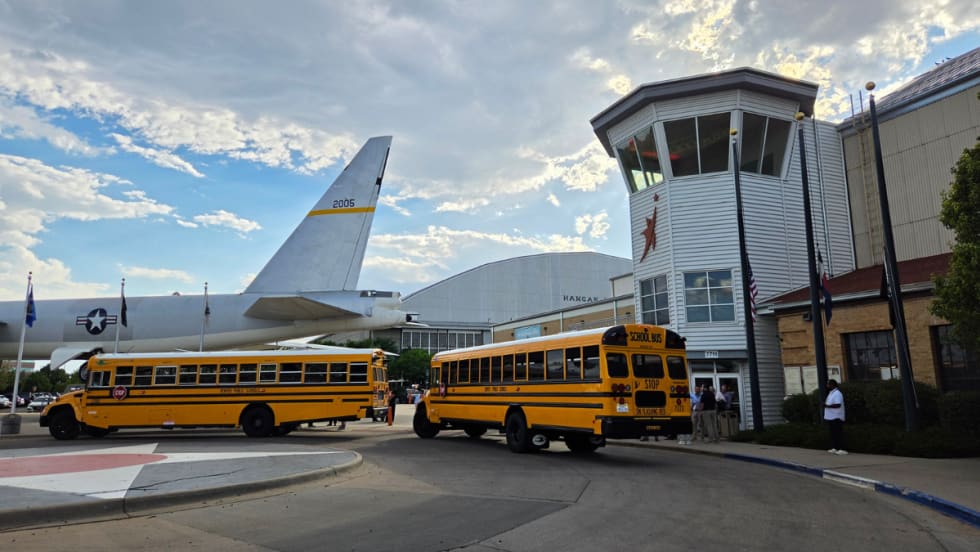
Key Moments from the 2026 NSTA Annual Meeting in the Mile High City
From federal policy updates and OEM presentations to speed networking and industry awards, see photos and highlights from the contractor association’s summer conference in Denver.
Read More →
HopSkipDrive Launches Spanish-Language App Update, Plans Additional Language Support
The update aims to improve communication with multilingual families by offering ride tracking, notifications, and support in Spanish, with more languages planned for the 2026-2027 school year.
Read More →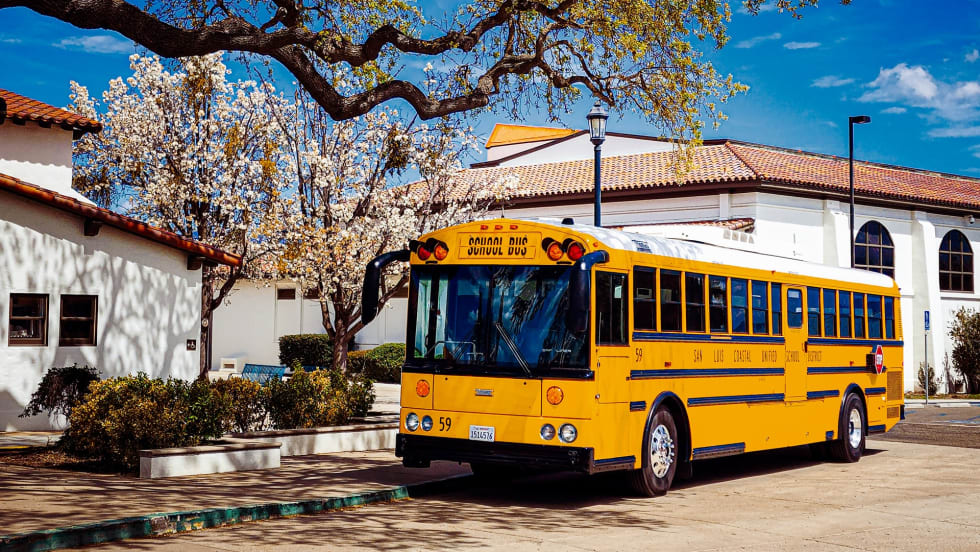
Where the Yellow Bus Takes Us: School Bus Fleet's 2026 Photo of the Year Winners
See the winning photos from School Bus Fleet's 2026 Photo of the Year contest, featuring stunning school bus images from across the U.S., from scenic landscapes to everyday moments.
Read More →
Why Emotional Intelligence Matters in Student Transportation
Learn the five key elements that bus drivers and transportation directors can use to stay calm in any situation.
Read More →
2026 Back-To-School Readiness Report
Staffing gaps, flat budgets, and the distance between “mostly prepared” and ready for the 2026-2027 school year.
Read More →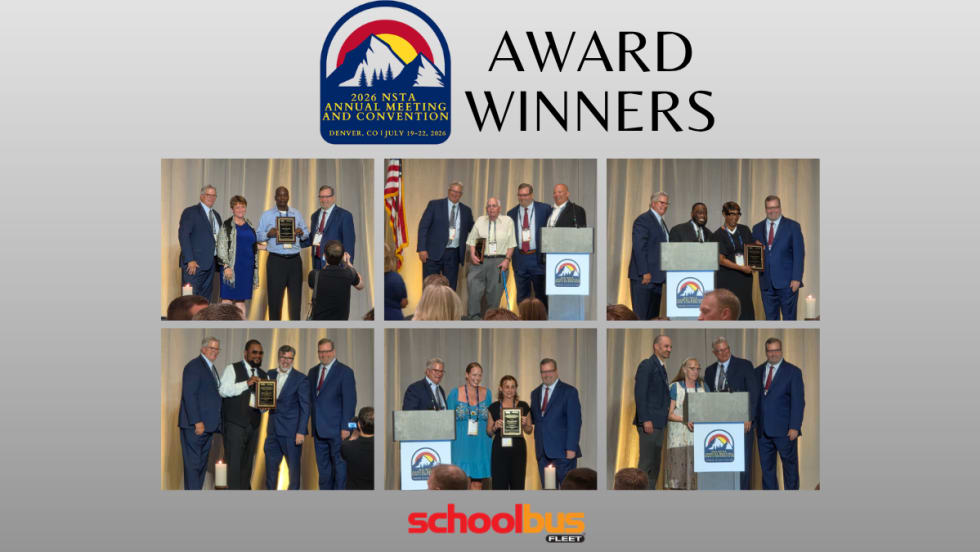
National School Transportation Association Presents 2026 Award Winners
Twenty-one individuals and contractor companies were recognized for excellence in student transportation at NSTA's annual meeting and convention in Denver.
Read More →
School Transportation Data Is Only as Powerful as the Story It Tells
Leaders say turning operational metrics into student-centered narratives can help districts justify investments and improve service.
Read More →