




Minnesota district may stop school choice busing system
Under a three-year plan proposed by St. Paul Public Schools Superintendent Valeria Silva, the city would be divided into six areas and busing for students would be restricted largely to the area in which they live. The plan is designed to promote cost savings, higher student achievement and greater consistency among schools.

ST. PAUL, Minn. — St. Paul Public Schools may soon do away with the option for parents to have their children transported to any school in the city in school buses under a proposed three-year plan that Superintendent Valeria Silva announced earlier this week.
Silva's plan would divide the city into six areas and restrict busing for students largely to the area in which they live. It is designed to promote cost savings, higher student achievement and greater consistency among schools, Pioneer Press reports.
Under the plan, 16 existing magnet elementary schools would lose their citywide busing. Some would become "community schools," a designation that includes what are now called neighborhood schools. By extension, community schools would offer busing within their areas, but not citywide.
Chief Business Officer Michael Baumann told Pioneer Press that the plan doesn't rely on new money from the state. Moreover, he said that in the first year of the plan’s implementation, it's likely that the rate of increase in transportation costs, which are about $30 million, will decrease from about 8 percent to 5 percent.
The plan would be phased in over the next three years, with full implementation in 2013-14. A series of public meetings on Silva's proposal is scheduled over the next month, and school board members are to vote on the plan March 15, according to the newspaper.
More Management

The Right Ride for Every Student: Navigating the New Student Transportation Ecosystem
How should districts blend school buses with small-vehicle transportation and other options? EverDriven CEO Mitch Bowling discusses safety, costs, partnerships, and strategy.
Read More →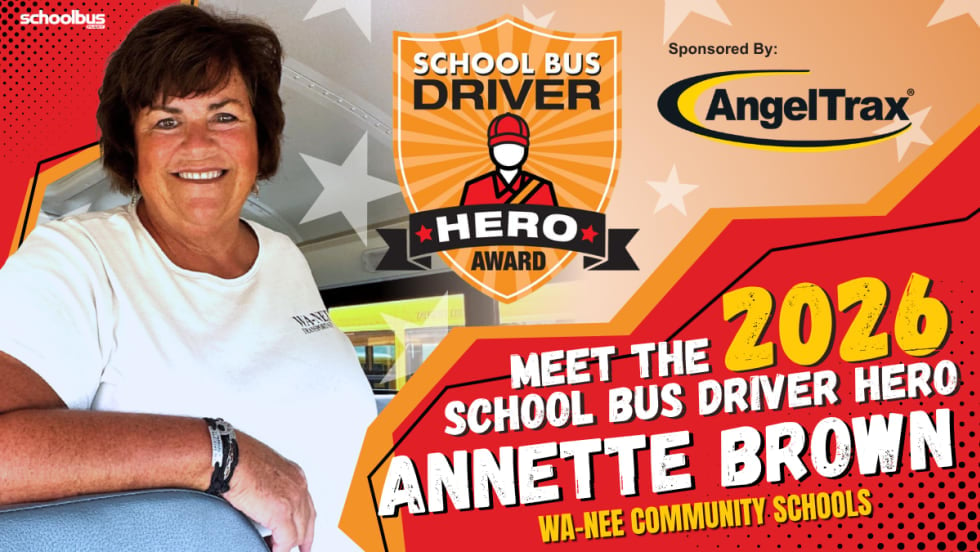
Annette Brown Always Takes the Extra Time: Meet Our 2026 School Bus Driver Hero
For more than 30 years, the Wa-Nee Community Schools driver has treated students like family, combining safety, compassion, and servant leadership to make a lasting difference on and beyond the school bus.
Read More →
How to Build a Better Driver Training Program
Ready to boost up your school bus instructor training? Here’s how to pick the right talent and improve recruitment, retention, and safety.
Read More →


CALSTART and Forth Combine to Form Catalyst Mobility
The new name represents a renewed vision for the nonprofit focused on advancing clean, equitable, and affordable transportation solutions that move people and goods.
Read More →
What Makes a Great School Bus Driver Trainer?
Choosing the right school bus driver trainer takes more than experience. Learn six keys to selecting and developing trainers and evaluating program effectiveness.
Read More →
School Bus Contractors Expand Through New Deals, Acquisitions & Partnerships
STA's Canadian division acquires Ontario-based G&L Stevenson Transport; Durham School Services adds a new district in California; First Student expands in New Jersey; and Minnesota Coaches rebrands and acquires Halo Transportation.
Read More →
Logan Bus Company Rolls Out AI Phone System for NYC School Bus Families
A summer pilot found that AI agents could handle most routine calls, freeing up time for customer service staff to focus on emergencies and complex family concerns.
Read More →
From Intent to Impact: What I Learned About Leadership from TAPT
A Texas transportation supervisor shares lessons on self-awareness, accountability, managing stress and building trust — and why investing in leadership development matters at every stage of your career.
Read More →
NAPT Names 2026 Award Recipients, Hall of Fame Inductee
Who earned national recognition for their work in student transportation? This year, NAPT named five recipients of its 2026 awards for service, safety, and leadership, plus its newest Hall of Famer.
Read More →
2026 State of Student Transportation Report
Driver shortages. Rising costs. Growing safety expectations. More data, but not enough time to act on it. The 2026 State of Student Transportation Report reveals what transportation leaders say is putting the most pressure on their operations—and where they’re investing next. See how your priorities compare.
Read More →