




Micro Bird Plant Expansion to Boost Electric School Bus Production
Micro Bird's Propane School Bus Receives Low-NOx Certification
The school bus manufacturer’s G5 Type A school bus is reportedly the first Type A propane vehicle to reach the California Air Resources Board’s optional low nitrogen oxide emissions standard of 0.05 grams per brake horsepower-hour.
by SBF Staff
March 8, 2021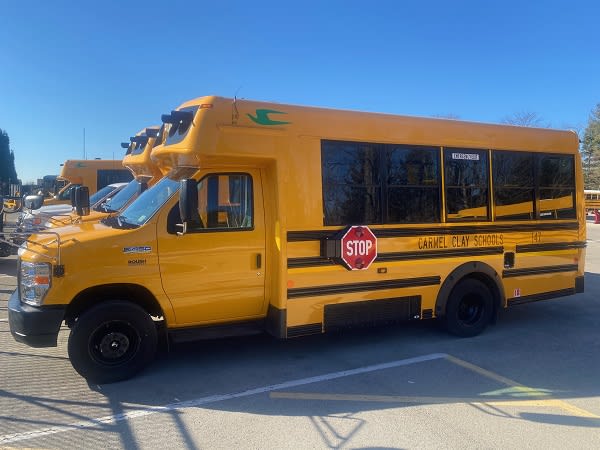
Micro Bird’s G5 Type A propane school bus is reportedly the first Type A propane vehicle to be certified to the California Air Resources Board’s optional low nitrogen oxide emissions standard of 0.05 grams per brake horsepower-hour. Shown here is one of Carmel (Ind.) Clay Schools G5 Type A buses.
Photo courtesy Roush CleanTech
2 min to read
Micro Bird’s Type A propane school bus has received certification from California’s air quality agency.
The manufacturer’s G5 Type A school bus, equipped with Roush CleanTech's Gen 5 propane fuel system, is reportedly the first Type A propane vehicle to be certified to the California Air Resources Board’s (CARB’s) optional low nitrogen oxide (NOx) emissions standard of 0.05 grams per brake horsepower-hour (g/bhp-hr), according to a news release from Micro Bird and Roush CleanTech. The certification reportedly makes the G5 Type A school bus 75% cleaner than federal U.S. emission standards.
“Every [school] district wants to lessen students’ exposure to damaging exhaust that can have negative health effects on children,” said Steve Girardin, president of Micro Bird. “With the Micro Bird G5 propane bus’s new CARB certification, we help our customers lower their carbon footprint while also offering the most horsepower of any Type A bus.”
Micro Bird buses integrating Roush CleanTech’s Gen 5 system are designed to reduce NOx and greenhouse gas emissions, which can help optimize fuel efficiency, according to the two companies. The buses can also operate on renewable propane to further reduce emissions and carbon intensity values. Featuring the compact, 350-horsepower Ford 7.3L engine, the Gen 5 system benefits from all of Ford’s performance and quality characteristics, such as horsepower, torque, and towing, while maintaining the OEM factory warranty, according to Micro Bird and Roush CleanTech.
More than 40 school districts across North America operate nearly 300 Micro Bird Type A propane buses, including Carmel Clay Schools in Indiana, according to the two companies.
“With our Type A propane buses, we save money due to the low cost of maintenance and fuel, and the low emissions help us do our part to clean up air quality,” said Ron Farrand Jr., director of facilities and transportation at Carmel Clay Schools.
On average, propane fuel costs about 40% less than gasoline and 50% less than diesel, according to Micro Bird and Roush CleanTech.
More Management

How to Build a Better Driver Training Program
Ready to boost up your school bus instructor training? Here’s how to pick the right talent and improve recruitment, retention, and safety.
Read More →
CALSTART and Forth Combine to Form Catalyst Mobility
The new name represents a renewed vision for the nonprofit focused on advancing clean, equitable, and affordable transportation solutions that move people and goods.
Read More →
What Makes a Great School Bus Driver Trainer?
Choosing the right school bus driver trainer takes more than experience. Learn six keys to selecting and developing trainers and evaluating program effectiveness.
Read More →


School Bus Contractors Expand Through New Deals, Acquisitions & Partnerships
STA's Canadian division acquires Ontario-based G&L Stevenson Transport while Durham School Services adds a new district contract in California, First Student adds a New Jersey contract, and Minnesota Coaches acquires Halo Transportation.
Read More →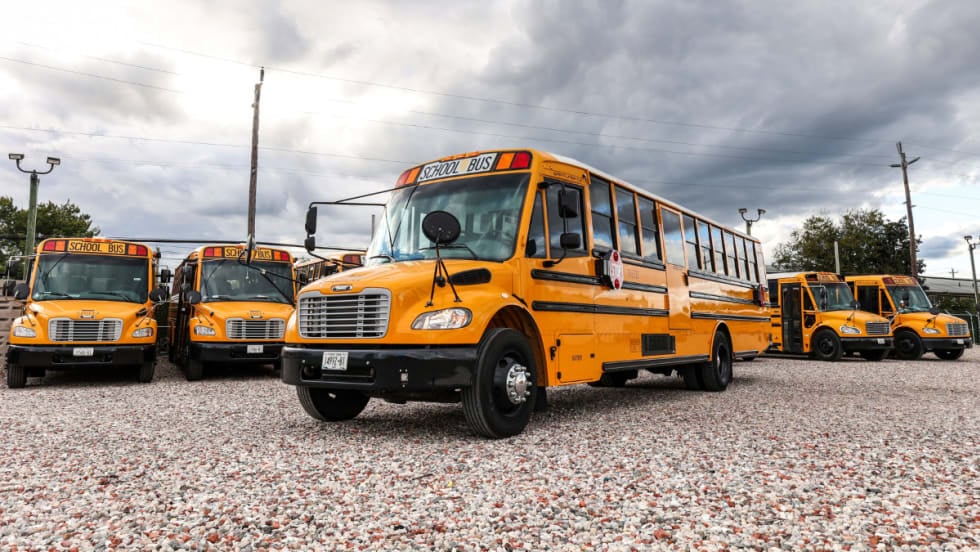
Logan Bus Company Rolls Out AI Phone System for NYC School Bus Families
A summer pilot found that AI agents could handle most routine calls, freeing up time for customer service staff to focus on emergencies and complex family concerns.
Read More →
From Intent to Impact: What I Learned About Leadership from TAPT
A Texas transportation supervisor shares lessons on self-awareness, accountability, managing stress and building trust — and why investing in leadership development matters at every stage of your career.
Read More →
NAPT Names 2026 Award Recipients, Hall of Fame Inductee
Who earned national recognition for their work in student transportation? This year, NAPT named five recipients of its 2026 awards for service, safety, and leadership, plus its newest Hall of Famer.
Read More →
Sponsored•September 2, 2026
2026 State of Student Transportation Report
Driver shortages. Rising costs. Growing safety expectations. More data, but not enough time to act on it. The 2026 State of Student Transportation Report reveals what transportation leaders say is putting the most pressure on their operations—and where they’re investing next. See how your priorities compare.
Read More →
How to De-Escalate an Angry Person: 5 Steps for Handling Workplace Conflict
What makes emotions run high, and how should you handle an angry colleague or parent? Follow these steps for staying calm, listening, showing empathy, and resolving conflict.
Read More →
Sponsored•September 1, 2026
What Readiness Looks Like This School Year
Learn about the challenges shaping the 2026–2027 school year, from persistent driver shortages and budget pressure to technology and readiness gaps. See how school districts are responding and adapting in Zonar’s 2026 Back-to-School Readiness Report.
Read More →