




Kentucky District Saves Over $63K With Propane School Buses
Crittenden County School District switches 11 buses in its fleet from diesel to propane as part of a state pilot and saves more than $63,000 over two years.

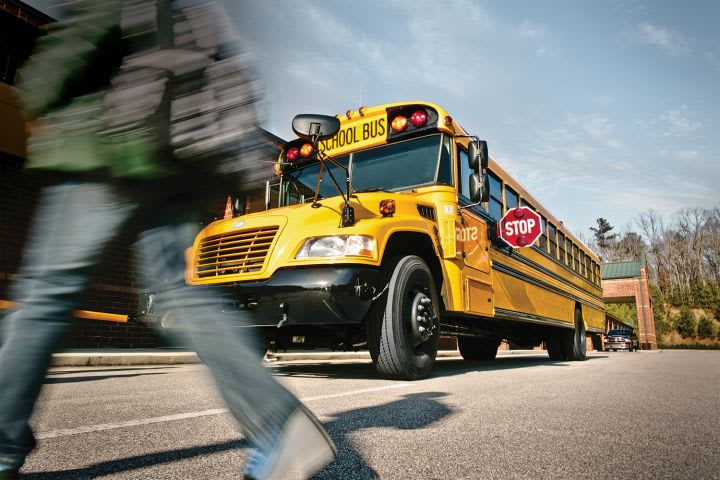
Crittenden County School District switched 11 buses in its fleet from diesel to propane as part of a state pilot and saved more than $63,000 over two years.
Crittenden County School District switched 11 buses in its fleet from diesel to propane as part of a state pilot and saved more than $63,000 over two years.
MARION, Ky. — A local school district has saved over $63,000 in two years by switching more than one-third of its school buses from diesel to propane, according to a Propane Education & Research Council (PERC) case study.
As budget cuts increased, Crittenden County School District looked for ways to cut costs without eliminating student services. District officials identified fuel costs as a possible area for potential savings, and in 2014, Crittenden County joined a statewide pilot program with the Kentucky Department of Education to test propane school buses.
“Right off the bat, the board of education was considering all options for saving money,” said Wayne Winters, Crittenden County School District’s lead vehicle mechanic. “And that was the number one reason for considering propane.”
During the pilot, Crittenden County’s first propane school bus saved the district more than $5,500 on fuel costs in its first year of operation.
In 2015 and 2016, the district saw a combined savings of more than $63,000 on fuel costs operating propane school buses, and Winters said the savings will increase as the district continues to phase out diesel buses from the fleet. The district also participated in several grants through the Kentucky Division for Air Quality and the Kentucky Clean Fuels Coalition, which helped reduce purchase costs as it transitioned to more propane buses.
As of 2017, 11 of Crittenden County’s school buses are powered by propane gas, and the district has been awarded the “Greenest Public School Fleet” by the Kentucky Clean Fuels Coalition four years running, according to PERC.
Realizing Savings
The propane buses are quieter than diesel buses and heat up faster during the winter without requiring time spent plugged in to electric block heaters, according to PERC. For the more than 25 diesel buses that are still used by the district, those costs come to an additional $800 to $1,200 on the district’s electric bill during winter months.
In the district’s maintenance facilities, Winters has seen a considerable advantage with changing oil on the propane buses. District policy requires changing the oil in the buses every 6,000 miles. It costs around $140 to change out 32 quarts of oil and a couple filters in the diesel buses. The costs for propane are less than a quarter of that because Winters only needs to change out one filter and seven quarts of oil every 6,000 miles.
Switching to Propane
To make the transition from diesel- to propane-powered buses, Crittenden County School District partnered with a local propane retailer that took on the refueling infrastructure upgrades at no cost to the district. As the district’s propane fleet grew, the refueling infrastructure was upgraded to keep up with the district’s needs. A 500-gallon tank was swapped out for a 1,500-gallon tank. The retailer also provided refueling training to the bus drivers and maintenance crew.
Community Benefit
In addition to the financial advantages the district received, Winters also realized that it would see a reduction in emissions with the propane buses.
The buses offer a 92% reduction of NOx emissions when replacing pre-2007 diesel buses, according to PERC.
More Alternative Fuels

CALSTART and Forth Combine to Form Catalyst Mobility
The new name represents a renewed vision for the nonprofit focused on advancing clean, equitable, and affordable transportation solutions that move people and goods.
Read More →
Alt-Fuel Moves: New Buses, Charging Hubs & Real-World EV Testing
Propane and electric school bus deployments continue to grow as districts add new vehicles, expand charging infrastructure, and gather more real-world operating data.
Read More →
Fewer Electric School Bus Models Reshape the U.S. Market
WRI’s latest buyer’s guide points to a consolidating electric school bus market, but fewer options may reflect a maturing industry rather than fewer meaningful choices for school bus operators.
Read More →
The Fuel Budget You Can Actually Predict: How Propane Autogas Keeps Money in the Classroom
Learn how propane autogas helps school districts manage fuel costs with predictable pricing, lower maintenance, and reduced emissions from former transportation director Joel Stutheit.
Read More →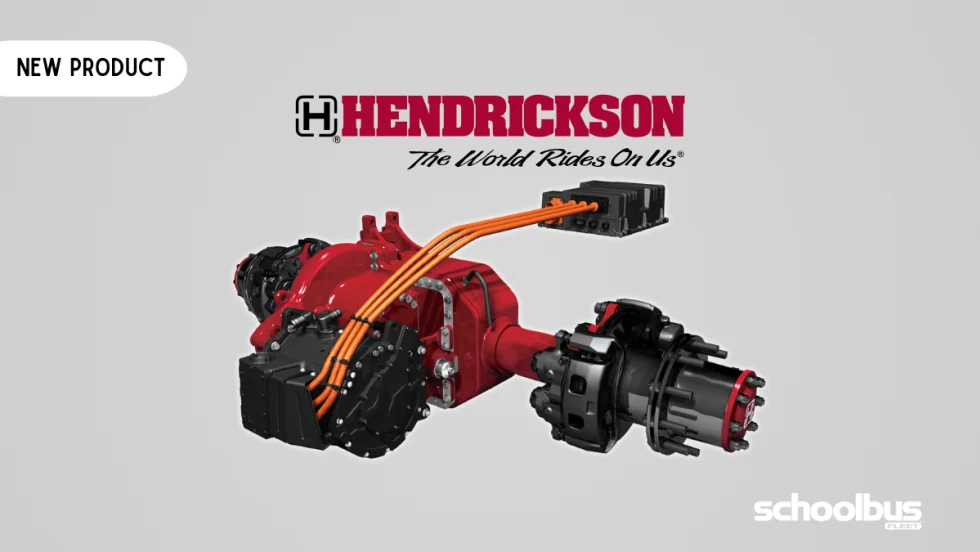
Hendrickson, Driventic Introduce New Electric Powertrain for School Buses
ELECTRAAX, the electrified, lightweight drive axle offers integrated ePowertrain efficiency and modular flexibility for Class 6–7 school bus use.
Read More →
The Mobility House Joins PowerFlex in Fleet Electrification Deal
The acquisition combines intelligent charging software, bidirectional charging expertise, and fleet electrification services to support the growing adoption of electric school buses across North America.
Read More →
Alt-Fuel Moves: Electric School Bus Investments Hit the Road
See which districts across the U.S. are putting electric school buses into service, expanding charging infrastructure, and planning the next phase of fleet electrification.
Read More →
With Fuel Volatility Ahead, School Districts Turn to Propane
While diesel prices peaked above $5 this spring, districts with propane autogas-powered fleets paid under $2 per gallon, according to PERC.
Read More →
EPA Unveils Proposed Changes to 2027 Heavy-Duty Engine Rules
The federal agency has proposed changes to next year’s targets that would eliminate DEF derates, ease warranty requirements, and retain current NOx emissions standards.
Read More →
Alt-Fuel Moves: EV Charging & Infrastructure Projects Gain Momentum
The latest developments include new funding, charging infrastructure, utility investments, and fleet technologies designed to support the transition to electric school buses nationwide.
Read More →