



Making a Difference: The Bus Industry Combats Human Trafficking
Iowa Pupil Transportation Leader Awarded for Fight Against Human Trafficking
Max Christensen earned the Outstanding Anti-Trafficking Service Award for training efforts in Iowa.
January 18, 2022

Since 2018, under Max Christensen's leadership, Iowa school bus drivers have been trained to recognize the warning signs of human trafficking and slavery.
Photo courtesy Iowa Department of Education
3 min to read
Max Christensen, head of school transportation services for the Iowa Department of Education, has been recognized for his efforts against human trafficking of children.
Iowa Gov. Kim Reynolds and the Iowa Network Against Human Trafficking and Slavery awarded Christensen the Outstanding Anti-Trafficking Service Award.
In 2018, Christensen led Iowa to become the first state in the nation to develop mandatory anti-human trafficking for its school bus drivers.
“Max Christensen’s contribution to Iowa’s fight against human trafficking is truly outstanding,” said George Belitsos, chair of the Iowa Network Against Human Trafficking and Slavery. “In fall of 2018, Iowa became the nation’s first state to require training about human trafficking for its school bus drivers. Despite the disruption of the COVID pandemic, all 9,000 Iowa school bus drivers are now trained. The Iowa Department of Education and its School Transportation Services Department deserve recognition for moving this human trafficking training requirement forward.”
Drivers receive a one-sheet about human trafficking, described as “the exploitation of human beings through force, fraud, or coercion for the purposes of commercial sex or forced labor.” An estimated 40 million victims are trafficked globally, including many school-age children in North America. According to an Iowa DOE article, the convenience of two major interstate highways (80 and 35) makes Des Moines “one of the highest human trafficking areas in the nation.”
“While all children are vulnerable to the manipulative and forceful methods pimps/traffickers use, children in foster care, the homeless, LGBTQ, or those who come from abusive homes are particularly susceptible,” states the flier for Busing on the Lookout (BOTL).
School bus drivers are urged to watch for red flags, such as:
Frequent absences
Symptoms of irritability or panic
Inappropriate dress for weather or school
Bruising or physical trauma
Markings or tattoos
“It’s been a real honor to be recognized for the work we’ve done to bring this terrible crime to the attention of so many people here in Iowa,” Christensen told School Bus Fleet. “Due to the way our training is structured, we were able to get all of our school bus drivers (both legacy and new) trained within one year of beginning this program back in the fall of 2018. We continue to train our new drivers on how to recognize the signs of human trafficking, which guarantees that we maintain 100% of our drivers being trained. Iowa was the first state in the nation to accomplish this, but we are no longer the only state, as other states have followed our lead.”
The training’s important, Christensen said, because adults are supposed to protect children.
“Unfortunately, there are some adults who would prefer to exploit and profit from our kids rather than protect them,” he said. “With this training, we have the eyes and ears of over 9,000 school bus drivers who come into contact with over half our students every day, monitoring any changes in personality of their student passengers. While most changes will not be due to a child being trafficked, some may, and our drivers can now recognize those signs.”
Need help? Contact the National Human Trafficking Hotline at 1-888-373-7888.
More Safety
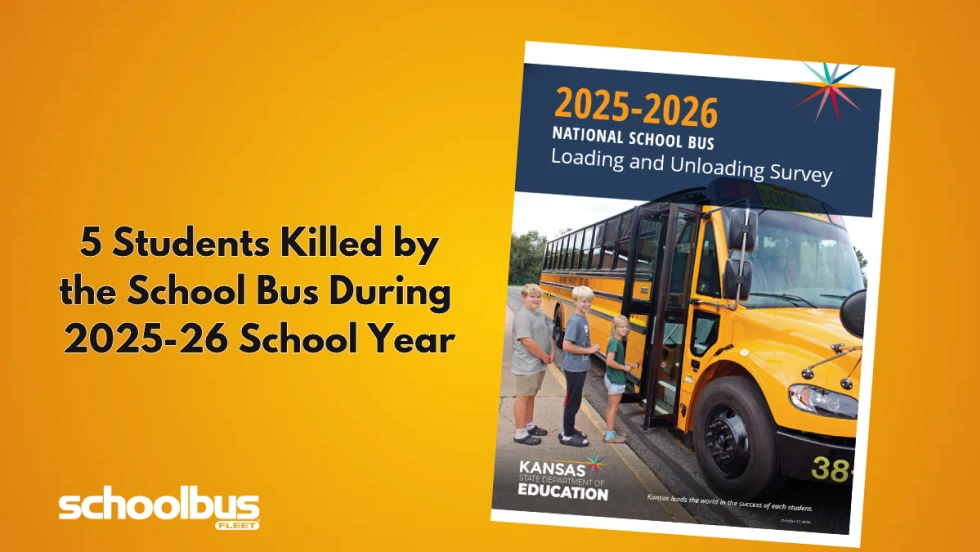
Five Students Died from School Bus Loading/Unloading in 2025-26
Fatalities are down by just one this year across the U.S. as four states reported five children struck and killed while getting on or off their school bus.
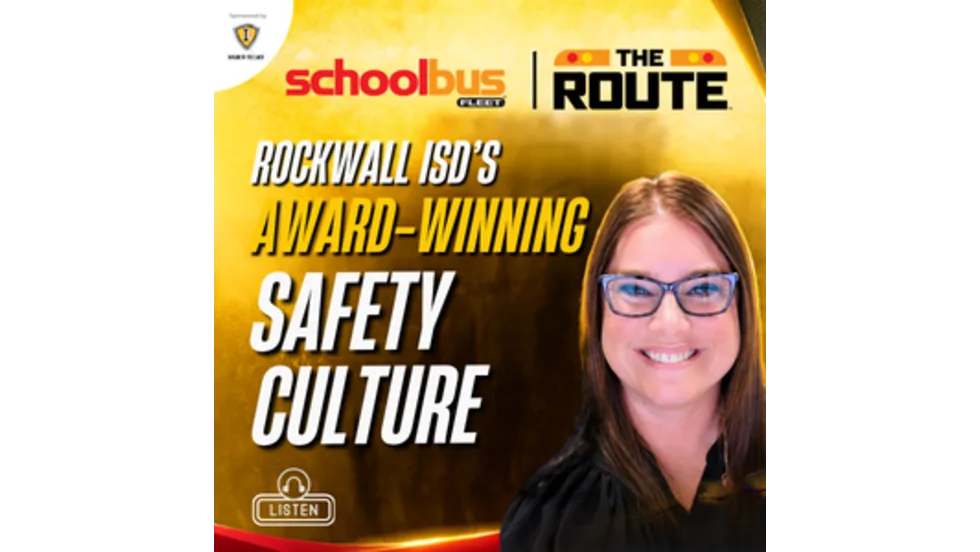
How a Texas District Built an Award-Winning Safety Culture
Rockwall ISD's Jennifer Gardella joins The Route to share lessons learned on accident prevention, driver training, coaching, technology, and team culture.
How Rockwall ISD Built an Award-Winning Safety Culture
How did one Texas transportation team strengthen bus and traffic safety? Jennifer Gardella shares lessons on driver training, coaching, technology, and team culture. The Route is brought to you by IC Bus.
North Carolina Student Killed While Boarding School Bus, Two Die in Utah Bus Crash
A Southern Nash High School student died after being struck by a pickup truck while approaching her school bus. In a separate incident, two people were killed after crashing into a school bus in Utah.
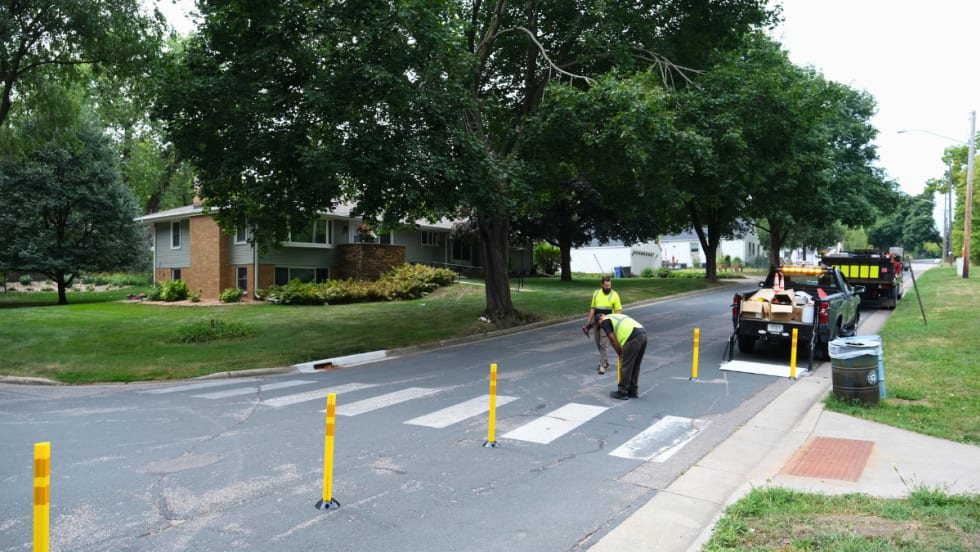
Minneapolis School Zone Pilot Cuts Speeding 41% with Low-Cost Street Design Changes
In a pilot project in Minnesota, two school-area intersections had low-cost, temporary road and traffic flow improvements made to measure the impact on roadway and student safety. Here's what they found.
Sitestream, Safety Vision Partner with Connecticut City to Launch School Bus Stop-Arm Camera Program
The new enforcement initiative combines camera technology and violation management software to document illegal school bus passing, encourage driver compliance, and enhance student safety.
Sponsored•November 1, 2026
From Reactive to Proactive: Making Every Ride Visible
Smart technology only delivers its full value when it works together. See how Catalyst connects proven industry platforms to move student transportation from reactive to proactive.
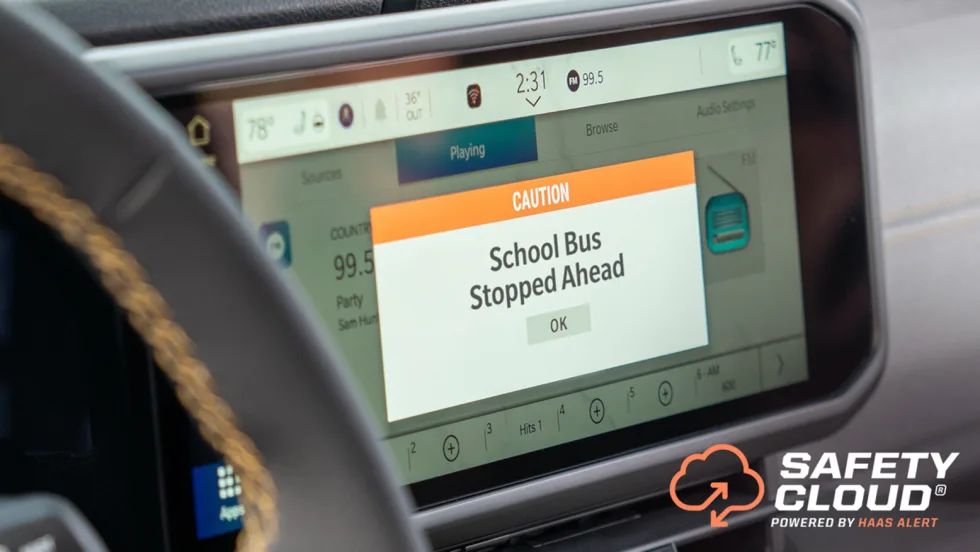
HAAS Alert’s Safety Cloud Warns Motorists of Stopped School Buses
Through a transponder or Samsara connection, the product lets school bus fleets send advance warnings to approaching drivers through in-vehicle alerts.

HopSkipDrive Reports Progress on Safety Advisory Council
More than a year after forming the council, independent safety experts have helped shape new rider-safety features and policy progress, with a new goal to address rider behavior.
What the 2026 National School Bus Safety Month Resolution Means for Student Transportation
The bipartisan resolution highlights illegal school bus passing, student safety during loading and unloading, and the need for driver training and public education.