





Want More? School Bus In-Service Training Matters All Year Long
Inside SBSC’s New Safety Leadership Program
Built on the ABC model and decades of NORMS training, the course helps transportation supervisors turn safe behaviors into habits with a standardized safety culture.
December 17, 2025
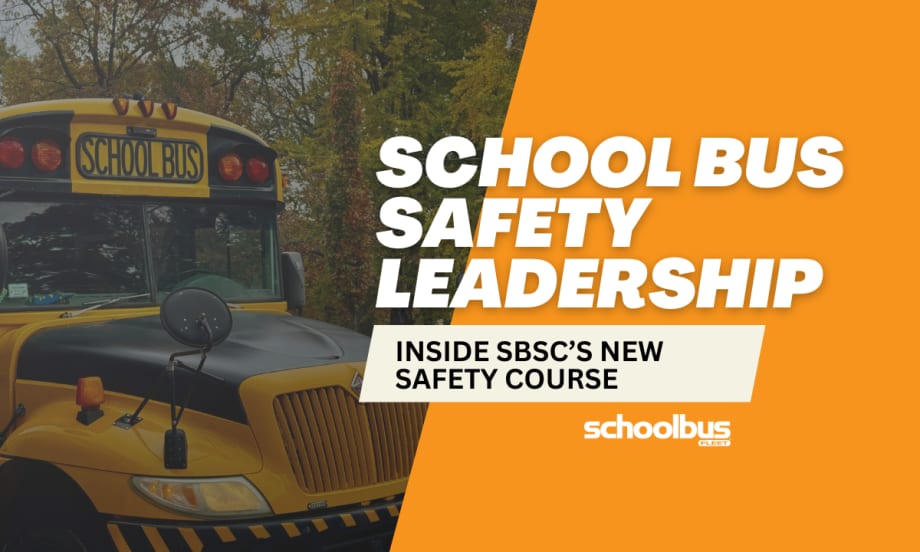
The Safety Leadership course is now being used by a growing list of contractors and districts across the school bus industry.
Photo: Miguel Rivera/School Bus Fleet
3 min to read
A longtime school bus safety training provider is expanding its catalog with a new product aimed not at drivers, but at the people who coach them.
The School Bus Safety Company (SBSC) has launched a Safety Leadership course, a two-hour course designed to help transportation supervisors and managers build safety habits through consistent, behavior-based training.
The program is now being used by a growing list of contractors and districts across the industry, according to the company's founder and president, Jeff Cassell. The course is built around a simple premise, that safe operations depend on automatic habits, not just rules.
“NORMS are the way people act, automatically, without thinking,” Cassell says. “If you can instill into the drivers the desired NORMS, like maintaining a four-second following distance, they will automatically operate safely.”
Reinforcing Safety NORMS Through Leadership
SBSC has identified 22 core NORMS for school bus operations, practices the company has taught for nearly 20 years and embedded in its Safety Management System materials.
What’s new in the Safety Leadership program is how those NORMS are reinforced. The course trains leaders to use the “ABC model” of human behavior, which is categorized as antecedents, behaviors, and consequences, to shape safe decisions from day one.
In practice, that means setting expectations at hiring, repeating them during onboarding and behind-the-wheel training, and consistently cueing and rewarding safe actions until they become routine. Cassell describes these “formalized antecedents” as the missing piece in many safety programs, helping prevent unsafe habits before they harden into culture.
The Safety Leadership course also plugs into SBSC’s wider safety ecosystem, including its “Trifecta of Safety” framework and a Safety Reminder Series of short, five to eight-minute refresher videos that reinforce required NORMS year-round. Cassell said the company can expand that library as new operational risks or technologies emerge, keeping training continuous rather than one-and-done.
What Fleets Are Saying About Safety Leadership
Early feedback suggests the approach is resonating. Landmark Student Transportation rated the Safety Leadership program a 9.7 out of 10, noting that it reinforces safety expectations across an organization.
Student Transportation of America reported overwhelmingly positive internal reviews after testing the course with operational staff, with most participants rating it at the top of the scale and recommending a systemwide rollout.
Additional reviews from safety leaders described the program as current, relevant, and practical for supervisors who need to consistently coach safe performance, not just correct problems after the fact.
With more fleets facing driver shortages, rising claims costs, and increasing public scrutiny, SBSC is positioning the Safety Leadership program to standardize safe behavior across locations and reduce incidents through proactive coaching. The company noted that their legacy NORMS-based training is used by large contractors and is intended to ensure frontline leaders have the tools to sustain those behaviors long after the initial training period.
The intent is in the vision: Do it right the first time, every time.
Learn more here, or fill out a course preview request.
More Safety

How to Build a Better School Bus Driver Training Program
Is it time to strengthen your driver training? Here’s how to pick the right talent and improve recruitment, retention, and safety. This video is brought to you by IC Bus.
Read More →
Recent School Bus Accidents Leave 2 Dead, 2 Injured
Four school bus crashes in Florida, Illinois, and Georgia highlight risks in transportation lots, at bus stops, and during student loading and unloading.
Read More →
Sponsored•September 8, 2026
When Every Second Matters, Clarity Keeps Routes Moving
From routine delays to urgent incidents, strong communication practices help drivers, dispatchers, schools, and families respond with confidence.
Read More →

What Happens When a School Bus Catches Fire — and What Can Help
School bus fires are rare but can be devastating. Learn how advances in fire suppression and asset protection help fleets detect fires earlier, reduce damage, and improve safety.
Read More →
Geotab Launches Tool to Help Fleets Investigate Road Incidents
Geotab Investigations combines telematics data, video, documents, and other evidence to help fleets reconstruct incidents, resolve claims, and determine what happened.
Read More →
Texas Sixth Grader Wins 2026 National School Bus Safety Poster Contest
Sai Darshana Yekolu of Moseley Middle School in Prosper, Texas, was named the newest winner for her artwork, bringing the theme of “Safe Rides, Everyday Heroes” to life.
Read More →
Sponsored•August 27, 2026
Doing More With Less: How Transportation Directors Can Prioritize Safety Amid Budget Uncertainty
With diesel prices soaring and nearly one-third of transportation directors expecting budget cuts, maintaining student safety has never been more challenging. Download this guide to learn how leading districts are prioritizing risk, funding critical safety technology, and building stronger budget cases with data.
Read More →
Walton County Schools Adds Gatekeeper Stop-Arm Enforcement System
The Florida district will deploy Gatekeeper’s updated Student Protector technology, which now incorporates AI to improve video evidence.
Read More →
How To Build a More Secure School Bus Yard During and After Hours
As thefts and overnight security threats continue, school transportation leaders are combining stronger operational practices with AI-enabled surveillance to better protect buses, facilities, and staff.
Read More →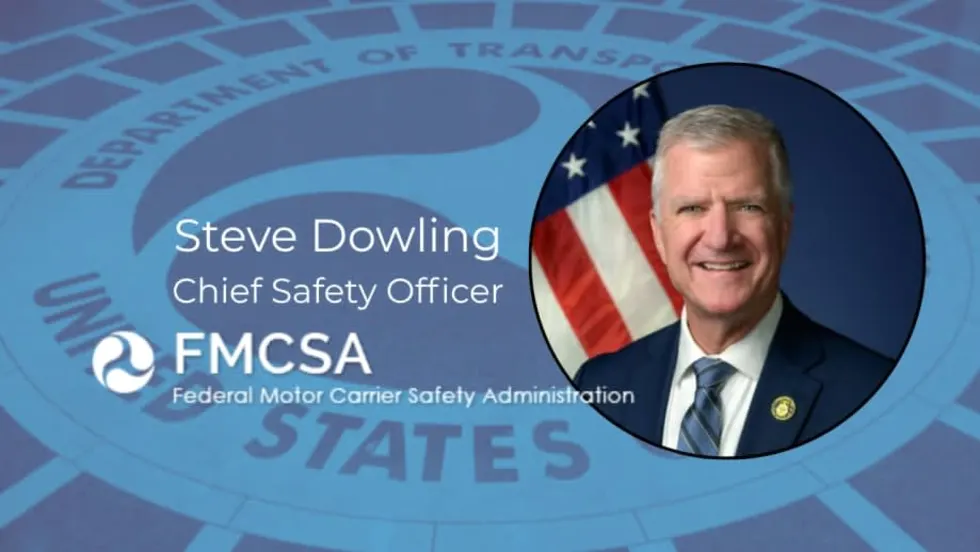
FMCSA Names New Chief Safety Officer: What School Bus Operators Should Know
Steve Dowling is set to lead the federal agency's efforts to advance commercial motor vehicle safety and reduce crashes, fatalities, and injuries on the nation's roadways.
Read More →