




Related: School Bus Safety Ramps Up Amid Increased Stop-Arm Running
Indiana Motorist Gets 4 Years in Prison for Fatal Crash
Alyssa Shepherd of Indiana is sentenced to four years in prison, three years of house arrest and three years of probation, and will have her driver’s license suspended for 10 years.

Sadiah Thompson・Assistant Editor
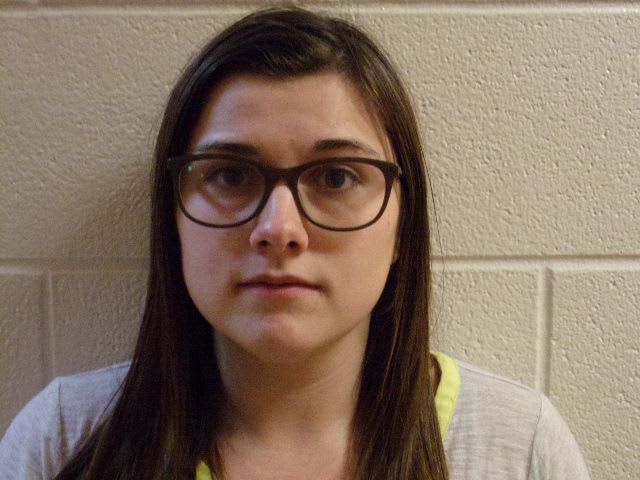
Alyssa Shepherd of Indiana was sentenced to four years in prison for killing three students and injuring another after passing a stopped school bus last October. Photo courtesy Indiana State Police
2 min to read

Alyssa Shepherd of Indiana was sentenced to four years in prison for killing three students and injuring another after passing a stopped school bus last October. Photo courtesy Indiana State Police
ROCHESTER, Ind. — The motorist who was involved in the fatal crash that killed three students and injured another in October 2018 has been sentenced to four years in prison, the Chicago Tribune reports.
As SBF previously reported, on Oct. 30, 2018, Alyssa Shepherd was driving a pickup truck along State Road 25 when she struck and killed 6-year-old twins Xzavier and Mason Ingle and their sister, 9-year-old Alivia Stahl, as they were crossing the street to board their bus. A fourth student, 11-year-old Maverik Lowe, was airlifted to a nearby hospital with multiple broken bones and internal injuries, according to police.
A jury convicted Shepherd, 25, on Oct. 18 of three counts of reckless homicide, a felony count of criminal recklessness, and a misdemeanor count for passing a school bus causing injury when the stop arm is extended. She faced a maximum of 21-and-a-half years in prison. On Wednesday, the judge sentenced Shepherd to four years in prison, three years of house arrest, three years of probation, and suspended her driver’s license for 10 years, according to the Chicago Tribune.
During the sentencing, the mother of the students killed in the crash, Brittany Ingle, apparently lunged toward Shepherd in the courtroom. She was restrained and charged with misdemeanor battery, the newspaper reports.
Shepherd reportedly told investigators during a probable cause hearing for the crash that she didn’t see the bus or the students until it was too late to stop. The bus apparently had its lights flashing and stop arm extended.
Since the crash, Indiana lawmakers have introduced several pieces of legislation related to school bus safety, including Gov. Eric Holcomb’s school bus safety law. The new law, which went into effect on July 1, cracks down on illegal passing, establishes requirements for bus safety practices, and allows reimbursement for stop-arm camera equipment.
More Safety

How to Build a Better School Bus Driver Training Program
Is it time to strengthen your driver training? Here’s how to pick the right talent and improve recruitment, retention, and safety. This video is brought to you by IC Bus.
Read More →
Recent School Bus Accidents Leave 2 Dead, 2 Injured
Four school bus crashes in Florida, Illinois, and Georgia highlight risks in transportation lots, at bus stops, and during student loading and unloading.
Read More →
Sponsored•September 8, 2026
When Every Second Matters, Clarity Keeps Routes Moving
From routine delays to urgent incidents, strong communication practices help drivers, dispatchers, schools, and families respond with confidence.
Read More →

What Happens When a School Bus Catches Fire — and What Can Help
School bus fires are rare but can be devastating. Learn how advances in fire suppression and asset protection help fleets detect fires earlier, reduce damage, and improve safety.
Read More →
Geotab Launches Tool to Help Fleets Investigate Road Incidents
Geotab Investigations combines telematics data, video, documents, and other evidence to help fleets reconstruct incidents, resolve claims, and determine what happened.
Read More →
Texas Sixth Grader Wins 2026 National School Bus Safety Poster Contest
Sai Darshana Yekolu of Moseley Middle School in Prosper, Texas, was named the newest winner for her artwork, bringing the theme of “Safe Rides, Everyday Heroes” to life.
Read More →
Sponsored•August 27, 2026
Doing More With Less: How Transportation Directors Can Prioritize Safety Amid Budget Uncertainty
With diesel prices soaring and nearly one-third of transportation directors expecting budget cuts, maintaining student safety has never been more challenging. Download this guide to learn how leading districts are prioritizing risk, funding critical safety technology, and building stronger budget cases with data.
Read More →
Walton County Schools Adds Gatekeeper Stop-Arm Enforcement System
The Florida district will deploy Gatekeeper’s updated Student Protector technology, which now incorporates AI to improve video evidence.
Read More →
How To Build a More Secure School Bus Yard During and After Hours
As thefts and overnight security threats continue, school transportation leaders are combining stronger operational practices with AI-enabled surveillance to better protect buses, facilities, and staff.
Read More →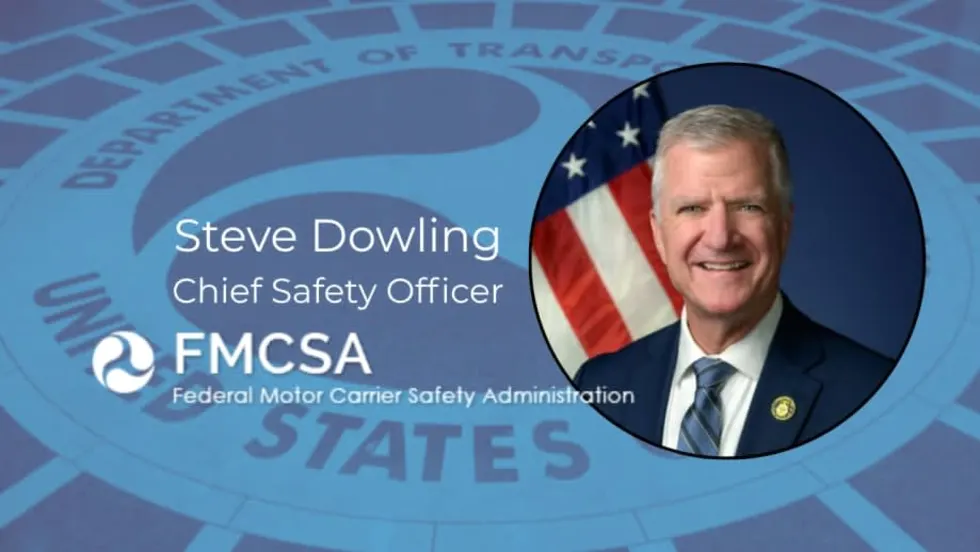
FMCSA Names New Chief Safety Officer: What School Bus Operators Should Know
Steve Dowling is set to lead the federal agency's efforts to advance commercial motor vehicle safety and reduce crashes, fatalities, and injuries on the nation's roadways.
Read More →