





More News: Florida District Opens New Transportation and Operations Facility
Illinois District Debuts Charging Depot for 25 Electric School Buses
Together with North America Central School Bus and Highland Electric, East St. Louis School District 189 is building a new depot for 25 new electric buses and chargers from EPA funding.
June 13, 2025

Pictured from L-R: Arthur R. Culver, East St. Louis School District 189 Superintendent; Jason Walker, CEO of North America Central Bus; Duncan McIntyre, founder and CEO of Highland Electric Fleets; and Patrick Smith, Sr. Vice President of Operations and Technical Services at Ameren Illinois.
Photo: Troy Anthony Photography
1 min to read

At the June 12 event, attendees were able to take part in a ride and drive to feel what the district's students soon will experience on the new electric buses.
Photo: Troy Anthony Photography
Yesterday, East St. Louis School District 189 in Illinois celebrated progress on its electric school bus initiative.
A new depot is being constructed at North American Central School Bus' depot in Caseyville. It will support 25 electric buses and chargers from Thomas Built Buses and Heliox, respectively. Operations are scheduled to begin for the 2025–2026 school year.
Both are happening thanks to funding from the EPA's Clean School Bus Program.
North American Central School Bus will operate and maintain the buses, and Highland Electric Fleets will manage the charging infrastructure and long-term electrification support. Ameren Illinois, the project's utility partner, is assisting the infrastructure development with make-ready funding through its Electric Vehicle Charging Program.
The new electric fleet will add to the district's existing 80-bus operation and will serve students across seven schools.
"We are proud to roll out 25 new electric school buses for regular routes this coming school year — an investment in both the health of our students and our community," said Arthur R. Culver, district superintendent. "Our students deserve clean, safe, and modern transportation. These electric buses reduce harmful air pollution, reflect our commitment to safety, and help ensure that every child arrives at school ready to learn and thrive. This is an exciting step forward for student wellness and a cleaner, healthier future for East St. Louis."
More Alternative Fuels

CALSTART and Forth Combine to Form Catalyst Mobility
The new name represents a renewed vision for the nonprofit focused on advancing clean, equitable, and affordable transportation solutions that move people and goods.
Read More →
Alt-Fuel Moves: New Buses, Charging Hubs & Real-World EV Testing
Propane and electric school bus deployments continue to grow as districts add new vehicles, expand charging infrastructure, and gather more real-world operating data.
Read More →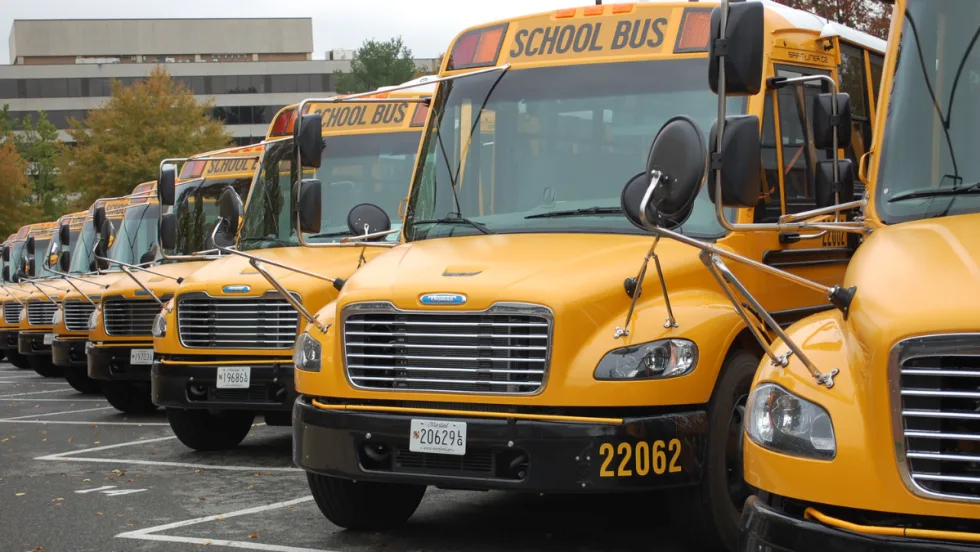
Fewer Electric School Bus Models Reshape the U.S. Market
WRI’s latest buyer’s guide points to a consolidating electric school bus market, but fewer options may reflect a maturing industry rather than fewer meaningful choices for school bus operators.
Read More →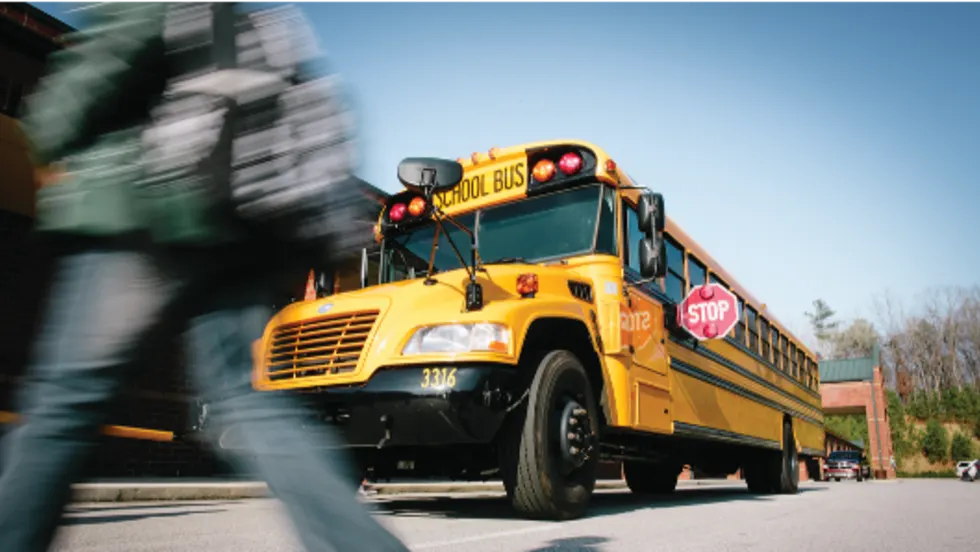
The Fuel Budget You Can Actually Predict: How Propane Autogas Keeps Money in the Classroom
Learn how propane autogas helps school districts manage fuel costs with predictable pricing, lower maintenance, and reduced emissions from former transportation director Joel Stutheit.
Read More →
Hendrickson, Driventic Introduce New Electric Powertrain for School Buses
ELECTRAAX, the electrified, lightweight drive axle offers integrated ePowertrain efficiency and modular flexibility for Class 6–7 school bus use.
Read More →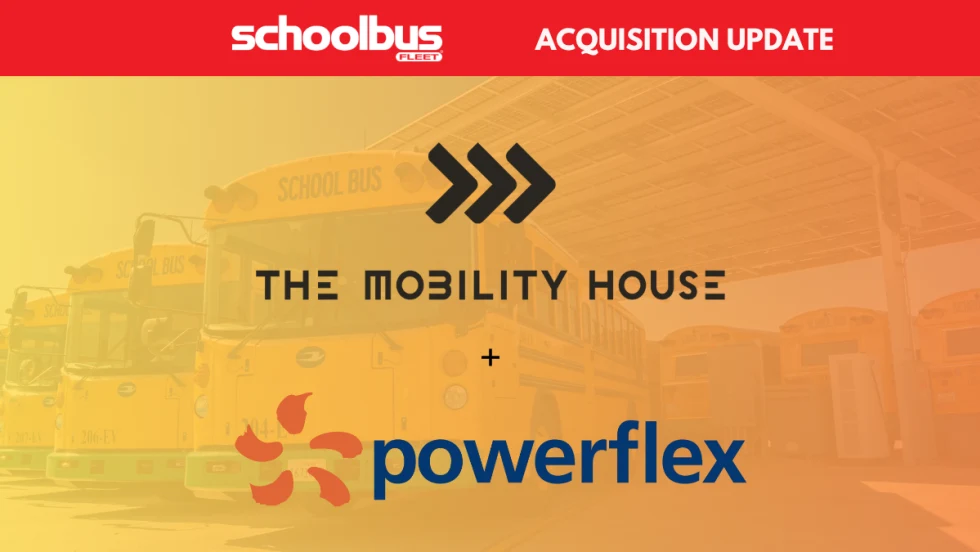
The Mobility House Joins PowerFlex in Fleet Electrification Deal
The acquisition combines intelligent charging software, bidirectional charging expertise, and fleet electrification services to support the growing adoption of electric school buses across North America.
Read More →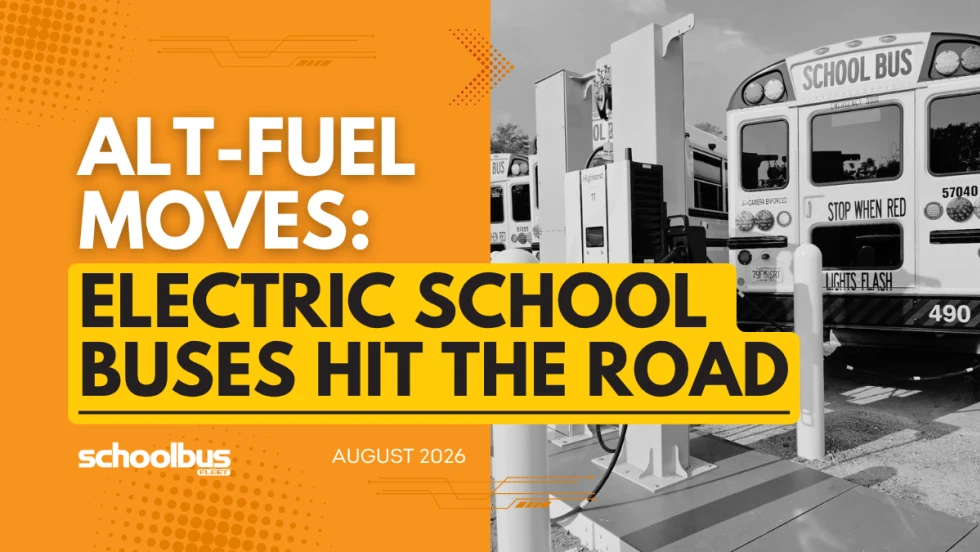
Alt-Fuel Moves: Electric School Bus Investments Hit the Road
See which districts across the U.S. are putting electric school buses into service, expanding charging infrastructure, and planning the next phase of fleet electrification.
Read More →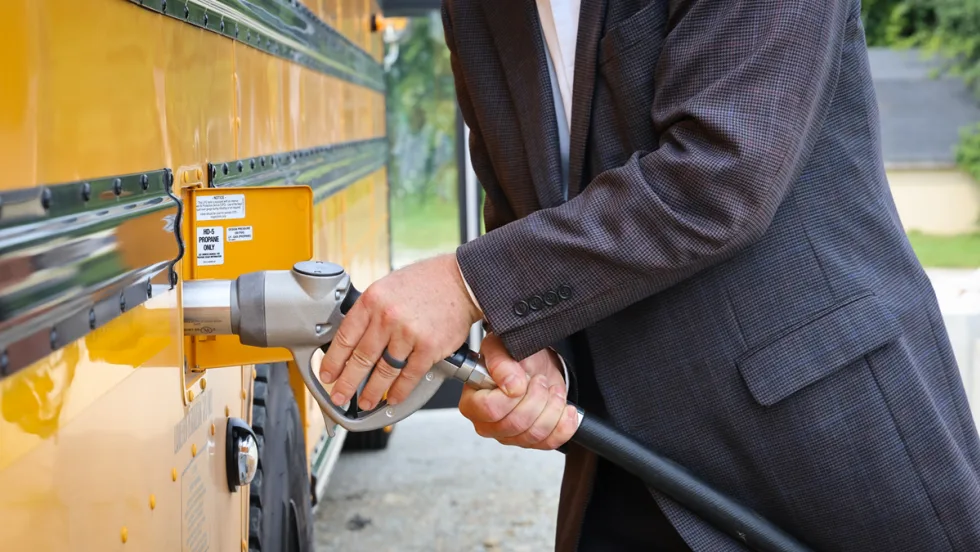
With Fuel Volatility Ahead, School Districts Turn to Propane
While diesel prices peaked above $5 this spring, districts with propane autogas-powered fleets paid under $2 per gallon, according to PERC.
Read More →
EPA Unveils Proposed Changes to 2027 Heavy-Duty Engine Rules
The federal agency has proposed changes to next year’s targets that would eliminate DEF derates, ease warranty requirements, and retain current NOx emissions standards.
Read More →
Alt-Fuel Moves: EV Charging & Infrastructure Projects Gain Momentum
The latest developments include new funding, charging infrastructure, utility investments, and fleet technologies designed to support the transition to electric school buses nationwide.
Read More →