




IC Bus Ramps Up Gasoline School Bus Production, Demos Electric Model
The gasoline CE bus will start full production next month, and the ChargE electric bus will tour the West Coast, IC Bus officials reveal in an interview.


The IC Bus CE Series is now available in gasoline, propane, and diesel.

The IC Bus CE Series is now available in gasoline, propane, and diesel.
LISLE, Ill. — The newest IC Bus models will be hitting the road soon as the company ramps up production of its gasoline school bus and takes its concept electric bus on tour.
Officials from IC Bus discussed those new fuel options, as well as propane and diesel model updates, in a recent interview with SBF.
IC Bus initially unveiled its gasoline-powered CE school bus in 2016. The Type C bus runs on a Power Solutions International (PSI) 8.8L V8 gasoline engine paired with an Allison transmission. The gasoline bus uses much of the same technology and spark-ignited engine architecture as IC Bus’ propane CE model.
Trish Reed, vice president and general manager of IC Bus, said that the company has already gotten a strong showing of orders for the gasoline CE.
“Receipts have exceeded our expectations,” Reed said.
IC Bus has released about 20 gasoline models in preproduction, with another 20 being built in mid-March and full production planned to begin next month at the company’s school bus manufacturing facility in Tulsa, Oklahoma.
“We’ll just do a steady ramp build into April,” Reed said, adding that the official “job one” production is slated for mid-to-late April.
At the National Association for Pupil Transportation trade show in November, IC Bus introduced its concept electric school bus, dubbed the ChargE. The vehicle, expected to launch in 2019, was developed as part of the alliance between IC Bus parent company Navistar and Volkswagen Truck & Bus.
Now, IC Bus will take the ChargE on a demonstration tour on the West Coast starting later this month. That will include an appearance at the California Association of School Transportation Officials conference, which will be held March 24 to 26 in San Diego, and a ride-and-drive at the Advanced Clean Transportation Expo, scheduled for April 30 to May 3 in Long Beach, California.
As for IC Bus’ more established alt-fuel model, the propane CE school bus, the company recently expanded its fuel tank options. The propane bus is now available with a 46-gallon, 68-gallon, or 90-gallon fuel tank.
Ryan Kauffman, vice president of sales for IC Bus, said that with the company’s propane and gasoline school buses, customers appreciate that they use the same PSI engine and an Allison transmission, and that they can both be serviced within the IC Bus dealer network.
“There’s a lot of energy around the propane and gasoline engines,” Kauffman said.
Another recent development from IC Bus is the launch of its updated RE Series Type D school bus, which is now powered by the Cummins L9 diesel engine.
Sudha Veerapaneni, Navistar’s product marketing director for buses, said that the L9 engine paired with an integrated cooler on the Allison 3000 transmission provides “less complexity and improved reliability,” and the new RE Series incorporates some carryover features from the CE Series. Those include the same type of diesel exhaust fluid tank, the same body controller, and a frame-mounted rollout battery tray for easier access to the batteries. Another new feature for the RE school bus is a direct drive cooling fan system.
“The engine-mounted clutch allows the gearbox to run only when the fan is engaged,” Veerapaneni said. “That means increased longevity … and good access to those components.”
Meanwhile, Reed said that the company’s school bus sales are up in the first quarter of 2018 compared to last year. She noted that an improving housing market has led to increased property tax revenue in many parts of the country, which has meant more money for school bus replacement.
Also, IC Bus has been working to inform customers about the VW Environmental Mitigation Trust, which will provide states with a total of nearly $3 billion for projects to cut nitrogen oxide from large vehicles, including school buses.
“That’s a huge opportunity for our dealers and customers to replace older school buses,” Reed said.
More Alternative Fuels

CALSTART and Forth Combine to Form Catalyst Mobility
The new name represents a renewed vision for the nonprofit focused on advancing clean, equitable, and affordable transportation solutions that move people and goods.
Read More →
Alt-Fuel Moves: New Buses, Charging Hubs & Real-World EV Testing
Propane and electric school bus deployments continue to grow as districts add new vehicles, expand charging infrastructure, and gather more real-world operating data.
Read More →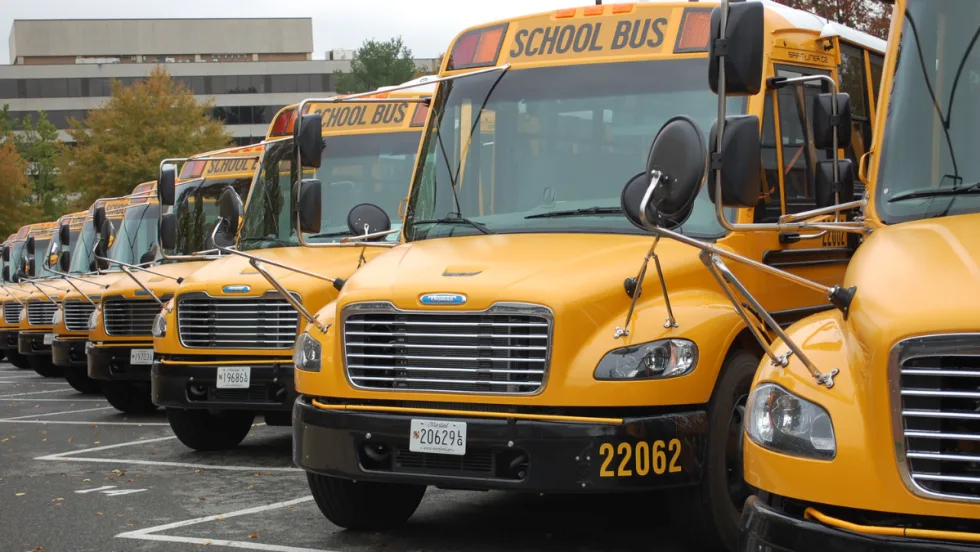
Fewer Electric School Bus Models Reshape the U.S. Market
WRI’s latest buyer’s guide points to a consolidating electric school bus market, but fewer options may reflect a maturing industry rather than fewer meaningful choices for school bus operators.
Read More →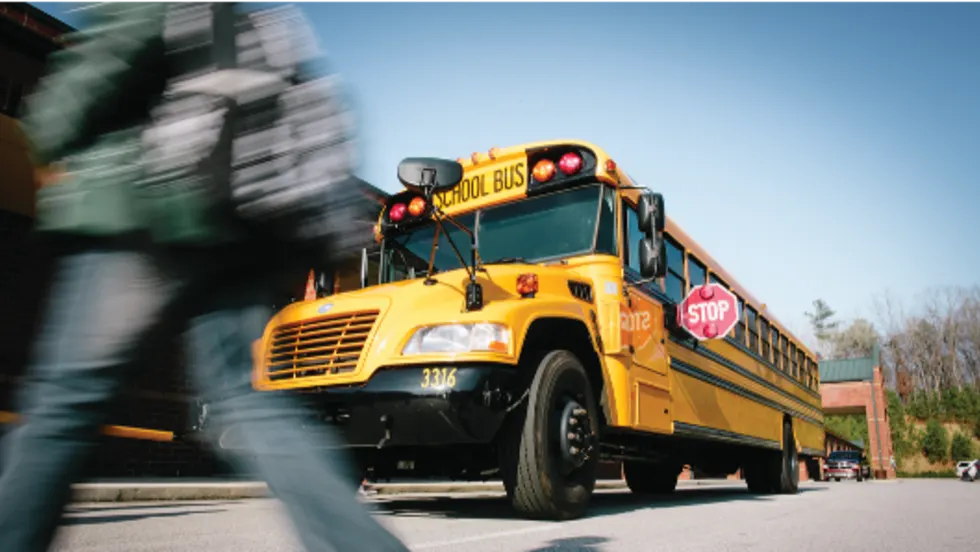
The Fuel Budget You Can Actually Predict: How Propane Autogas Keeps Money in the Classroom
Learn how propane autogas helps school districts manage fuel costs with predictable pricing, lower maintenance, and reduced emissions from former transportation director Joel Stutheit.
Read More →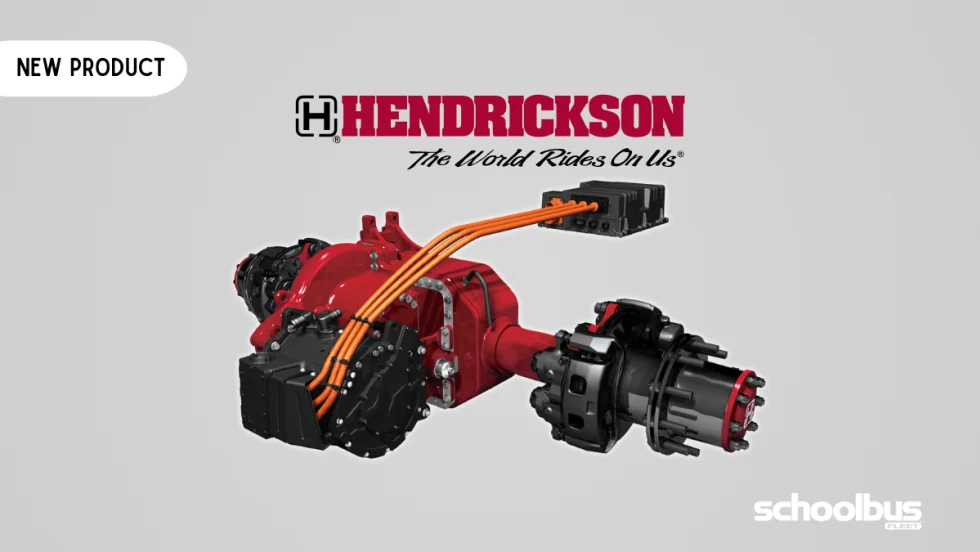
Hendrickson, Driventic Introduce New Electric Powertrain for School Buses
ELECTRAAX, the electrified, lightweight drive axle offers integrated ePowertrain efficiency and modular flexibility for Class 6–7 school bus use.
Read More →
The Mobility House Joins PowerFlex in Fleet Electrification Deal
The acquisition combines intelligent charging software, bidirectional charging expertise, and fleet electrification services to support the growing adoption of electric school buses across North America.
Read More →
Alt-Fuel Moves: Electric School Bus Investments Hit the Road
See which districts across the U.S. are putting electric school buses into service, expanding charging infrastructure, and planning the next phase of fleet electrification.
Read More →
With Fuel Volatility Ahead, School Districts Turn to Propane
While diesel prices peaked above $5 this spring, districts with propane autogas-powered fleets paid under $2 per gallon, according to PERC.
Read More →
EPA Unveils Proposed Changes to 2027 Heavy-Duty Engine Rules
The federal agency has proposed changes to next year’s targets that would eliminate DEF derates, ease warranty requirements, and retain current NOx emissions standards.
Read More →
Alt-Fuel Moves: EV Charging & Infrastructure Projects Gain Momentum
The latest developments include new funding, charging infrastructure, utility investments, and fleet technologies designed to support the transition to electric school buses nationwide.
Read More →