




Hawaii DOE issues recommendations for school bus deficit
In light of a $12 million school transportation deficit, the Department of Education is recommending eliminating some routes, consolidating other routes and increasing walking distances for grades 3 through high school.

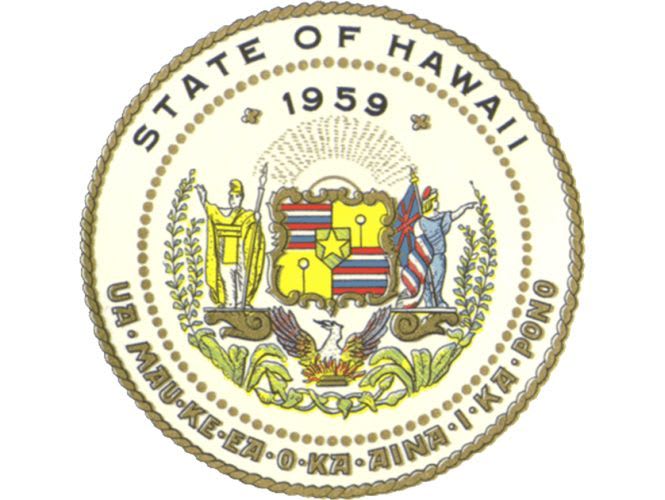
HONOLULU — On Tuesday, Hawaii State Department of Education Interim Superintendent Kathryn Matayoshi issued recommendations to the Board of Education's Committee on Budget & Fiscal Accountability to help alleviate the projected $12 million student transportation deficit this fiscal year.
The recommendations follow the board's approval of the department's request to increase bus fare effective Jan. 1. The board mandated the department to come up with a plan to live within its legislatively-appropriated budget or a plan under which bus service can pay for itself.
Matayoshi recommends the continued elimination of routes for a savings of $600,000 this school year and $2 million to 3 million next school year; route consolidation; and increasing walking distances to 2.5 miles for high school students, 2 miles for grades 6 through 8, and 1.5 miles for grades 3 through 5.
She wrote that the department's objective is to achieve zero deficit in fiscal year 2010-11, made possible by the adoption of recommendations and a transfer of $9 million in federal impact aid funds to student transportation.
In addition, the department proposed changes to Chapter 27, Hawaii Administrative Rules, governing the transportation of students. Proposed changes include the elimination of the fare cap, allowing the department to determine walking distance with board approval, adding a reduced fare concept similar to reduced meal programs, allowing the department to determine student eligibility for free or reduced fares, and allowing the department to discontinue bus service where there is adequate public transportation.
The alternatives the department considered before issuing recommendations included eliminating bus service when the funds run out and discontinuing bus service next year, except for curb-to-curb services. This would eliminate the deficit and reduce costs by $1 million per year as bus contracts expire and idle bus charge decreases.
Another alternative considered was operating the bus service within the legislative appropriation of $46 million plus fare revenues. Without the allocation of $9 million in federal funds, approximately half the routes would need to be discontinued effective Feb. 1. With higher fares, the elimination of free fares and increased walking distances, some of the routes could be restored in fiscal year 2010-11, Matayoshi said.
Lastly, the department considered making regular buses self-supporting. Matayoshi determined that bus service could not pay for itself, as it would force the department to raise the cost of bus fare while still providing free or reduced rides for eligible students as well as free curb-to-curb service. Higher bus fares would reduce ridership, leading to insufficient demand to operate a system, she wrote.
To read the full memorandum, click here.
More Management
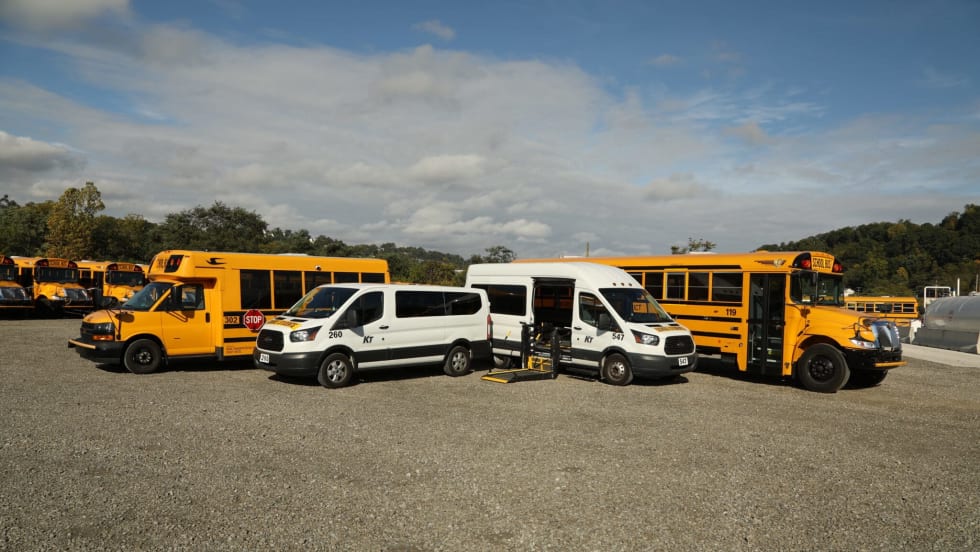
American Student Transportation Partners Acquires AJ Myers and Sons
A new deal brings a 75-year Pennsylvania student transportation provider into one of the nation’s largest private school bus contracting groups.
Read More →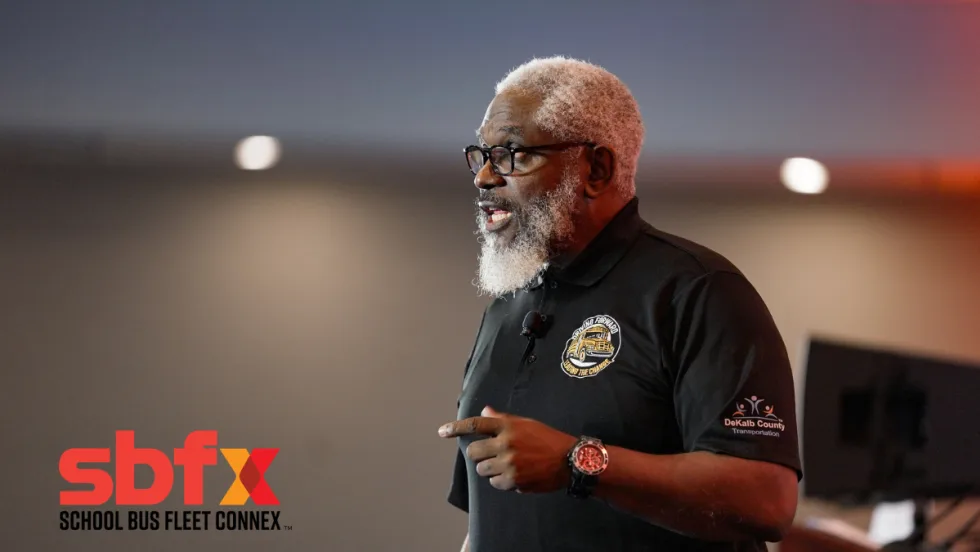
What I Brought Home From SBFX: Relationships, Leadership, and Preparing What's Next
Who could lead your transportation operation tomorrow if you couldn't? Bernando Brown explores succession planning, mentorship, and preparing emerging leaders to step up.
Read More →
Inside School Bus Fleet ConneX 2026: Industry Leaders Connect in Scottsdale [Photos]
See highlights from SBFX 2026 in Arizona, where school bus operators and suppliers gathered for meetings, education, networking, awards, and more.
Read More →
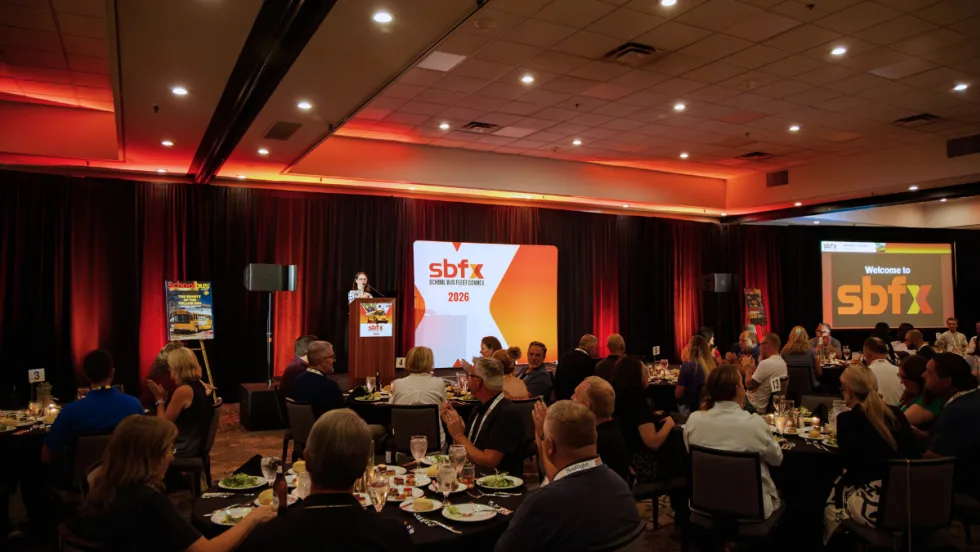
School Transportation’s Biggest Pressures and Opportunities: SBFX Attendees Weigh In
School bus operators point to rising costs, staffing, and vehicle prices as immediate pressures while identifying technology, training, and routing as opportunities for growth.
Read More →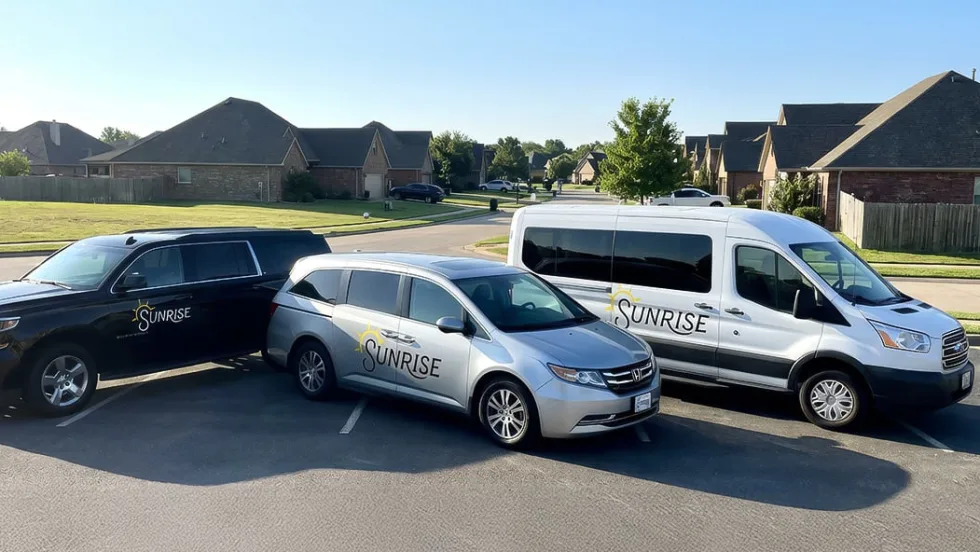
STA Acquires Sunrise Transportation
Student Transportation of America expands in Illinois and Connecticut through Sunrise's fleet of nearly 1,000 vehicles.
Read More →
EPA Opens $180M DERA Funding Round for Diesel Upgrades
The 2026 Diesel Emissions Reduction Act program seeks applications from eligible organizations to accelerate the retirement of legacy diesel vehicles.
Read More →
HopSkipDrive’s CareEngine Targets the ‘Exceptions’ in Student Transportation
The new platform works alongside districts’ existing transportation management systems to coordinate specialized rides, automate last-minute changes, and turn ride data into operational improvements.
Read More →
The Right Ride for Every Student: Navigating the New Student Transportation Ecosystem
How should districts blend school buses with small-vehicle transportation and other options? EverDriven CEO Mitch Bowling discusses safety, costs, partnerships, and strategy.
Read More →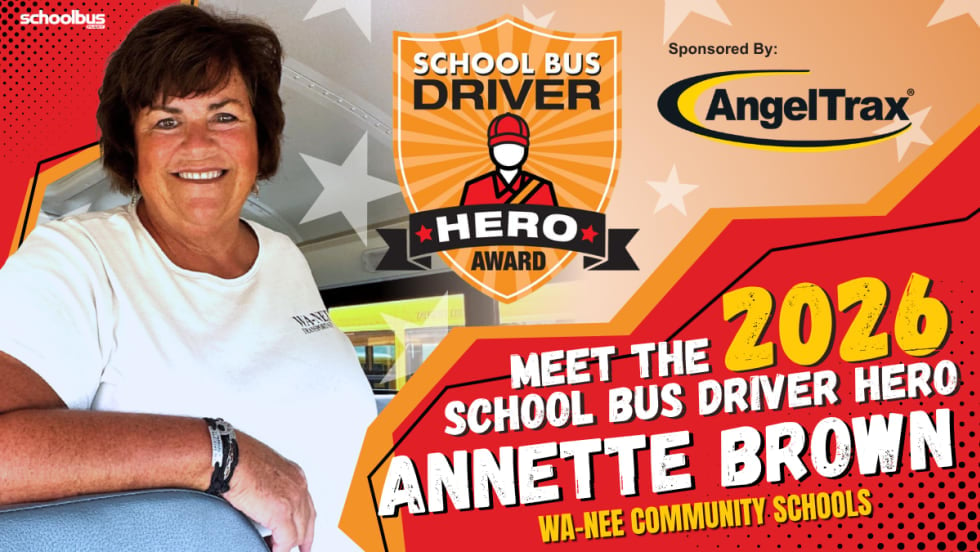
Annette Brown Always Takes the Extra Time: Meet Our 2026 School Bus Driver Hero
For more than 30 years, the Wa-Nee Community Schools driver has treated students like family, combining safety, compassion, and servant leadership to make a lasting difference on and beyond the school bus.
Read More →
How to Build a Better Driver Training Program
Ready to boost up your school bus instructor training? Here’s how to pick the right talent and improve recruitment, retention, and safety.
Read More →