



GM Partners to Mass Produce Critical Care Ventilators
Across all manufacturers, there is a global backorder of critical care ventilators capable of supporting patients fighting COVID-19.


General Motors (GM) is working with American medical device company Ventec Life Systems to manufacture ventilators to support patients fighting COVID-19.
General Motors (GM) is working with American medical device company Ventec Life Systems to manufacture ventilators to support patients fighting COVID-19.
This story initially appeared inMetro Magazine, School Bus Fleet’s sister publication.
BOTHELL, Wash. — General Motors (GM) is working with American medical device company Ventec Life Systems to manufacture ventilators to support patients fighting COVID-19.
Ventec Life Systems announced in a news release on Friday that GM will build VOCSN critical care ventilators at its Kokomo, Ind., manufacturing facility. FDA-cleared ventilators are scheduled to ship as soon as next month.
Ventec is also taking aggressive steps to ramp up production at its manufacturing facility in Bothell, Wash., according to the company.
Across all manufacturers, there is a global backorder of critical care ventilators capable of supporting patients fighting COVID-19. Ventec and GM are adding thousands of units of new capacity with a significantly expanded supply chain capable of supporting high volume production. GM is contributing its resources at cost.
GM will also begin manufacturing FDA-cleared Level 1 surgical masks at its Warren, Mich., manufacturing facility. Production will begin next week and within two weeks ramp up to 50,000 masks per day, with the potential to increase to 100,000 per day.
Critical Care Ventilators
Ventec and GM are working around the clock to meet the urgent need for more ventilators. Efforts to set up tooling and manufacturing capacity at the GM Kokomo facility are already underway to produce Ventec’s critical care ventilator, VOCSN. Depending on the needs of the federal government, Ventec and GM are poised to deliver the first ventilators next month and ramp up to a manufacturing capacity of more than 10,000 critical care ventilators per month with the infrastructure and capability to scale further.
GM will deploy an estimated 1,000 American workers to scale production of critical care ventilators immediately. Working with the United Auto Workers (UAW), GM has brought back employees from GM’s facilities in Kokomo and Marion, Ind.
Since March 20, Ventec and GM teams across manufacturing, engineering, purchasing, legal, and other areas have been working together to create and implement a plan for immediate, scaled production of critical care ventilators. The Ventec and GM global supply base developed sourcing plans for the more than 700 individual parts that are needed to build up to 200,000 VOCSN.
Level 1 Surgical Masks
In a separate effort, GM is expanding its support of medical equipment production by temporarily converting its Warren plant to build Level 1 surgical masks. Production will begin next week and within two weeks ramp up to 50,000 masks per day, with the potential to increase to 100,000 per day. Daily mask production will be influenced by the availability of materials to build the masks.
The necessary machinery was delivered to the Warren plant Friday morning and production of masks will begin this week.
This employee-led initiative was created, planned, and approved in about 48 hours and involves GM’s traditional supply base as well as new partnerships specific to the medical device industry. GM will be collaborating with governments and local suppliers to distribute the masks.
More Management

Nominate Rising School Transportation Pros Under 40!
We’re searching for the next generation of leaders making an impact across the K-12 student transportation industry to recognize as SBF’s 2027 Trailblazers. Nominations are open now!
Read More →
Changing Lanes: BusWhere, EverDriven, InterMotive, Summit School Services, Switzer-Carty & Thomas Built Buses
Check out who's been hired, promoted, and appointed to leadership positions at various school transportation suppliers, contractors, and manufacturers.
Read More →
The Most Expensive Thing You Do Before Selling a School Bus: Wait
When should you sell an aging school bus? Learn how maintenance, mileage, corrosion, specifications, and timing can affect resale value long before the auction.
Read More →
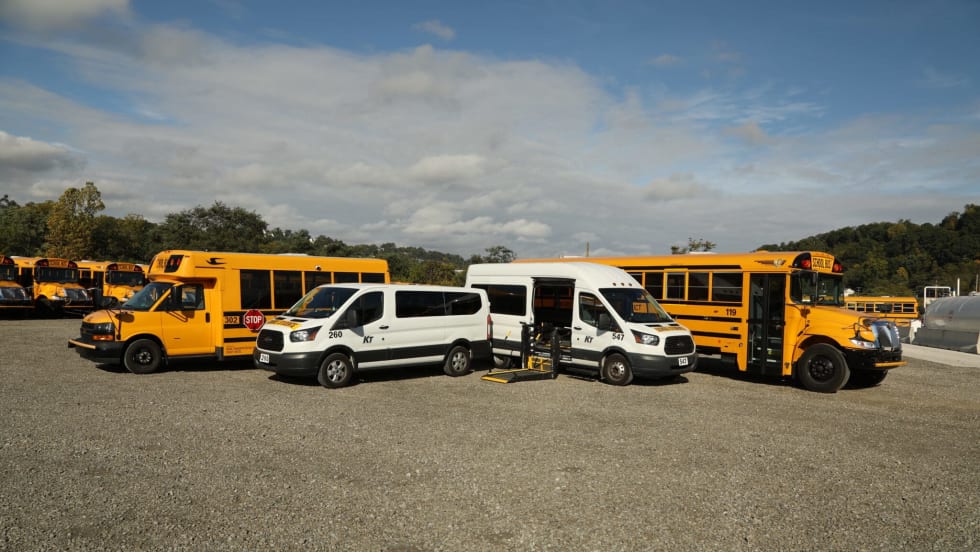
American Student Transportation Partners Acquires AJ Myers and Sons
A new deal brings a 75-year Pennsylvania student transportation provider into one of the nation’s largest private school bus contracting groups.
Read More →
What I Brought Home From SBFX: Relationships, Leadership, and Preparing What's Next
Who could lead your transportation operation tomorrow if you couldn't? Bernando Brown explores succession planning, mentorship, and preparing emerging leaders to step up.
Read More →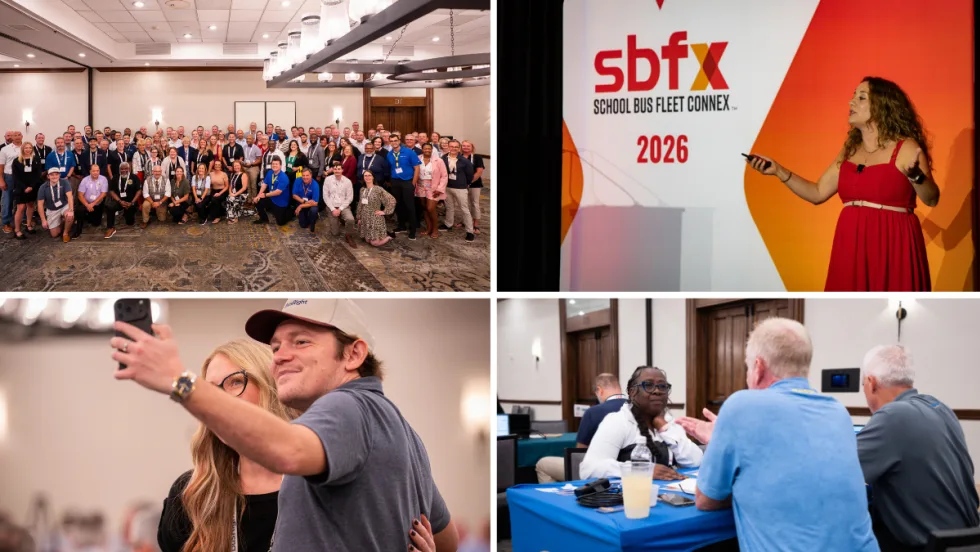
Inside School Bus Fleet ConneX 2026: Industry Leaders Connect in Scottsdale [Photos]
See highlights from SBFX 2026 in Arizona, where school bus operators and suppliers gathered for meetings, education, networking, awards, and more.
Read More →
School Transportation’s Biggest Pressures and Opportunities: SBFX Attendees Weigh In
School bus operators point to rising costs, staffing, and vehicle prices as immediate pressures while identifying technology, training, and routing as opportunities for growth.
Read More →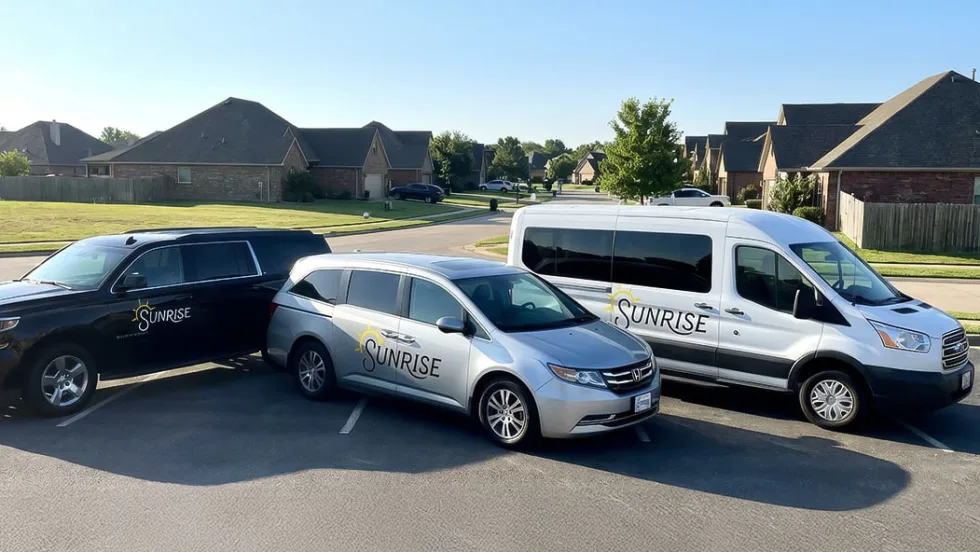
STA Acquires Sunrise Transportation
Student Transportation of America expands in Illinois and Connecticut through Sunrise's fleet of nearly 1,000 vehicles.
Read More →
EPA Opens $180M DERA Funding Round for Diesel Upgrades
The 2026 Diesel Emissions Reduction Act program seeks applications from eligible organizations to accelerate the retirement of legacy diesel vehicles.
Read More →
HopSkipDrive’s CareEngine Targets the ‘Exceptions’ in Student Transportation
The new platform works alongside districts’ existing transportation management systems to coordinate specialized rides, automate last-minute changes, and turn ride data into operational improvements.
Read More →