





5 Questions: NTSB’s Meg Sweeney on School Bus Safety
Georgia Child Killed While Waiting for School Bus
Two weeks into September 2025, a 5-year-old girl died when a passenger vehicle struck her in the roadway while she waited for the bus. In Delaware, a boy died when his e-bike collided with a school bus making a turn, and an adult pedestrian died in Alaska after a collision.
September 14, 2025
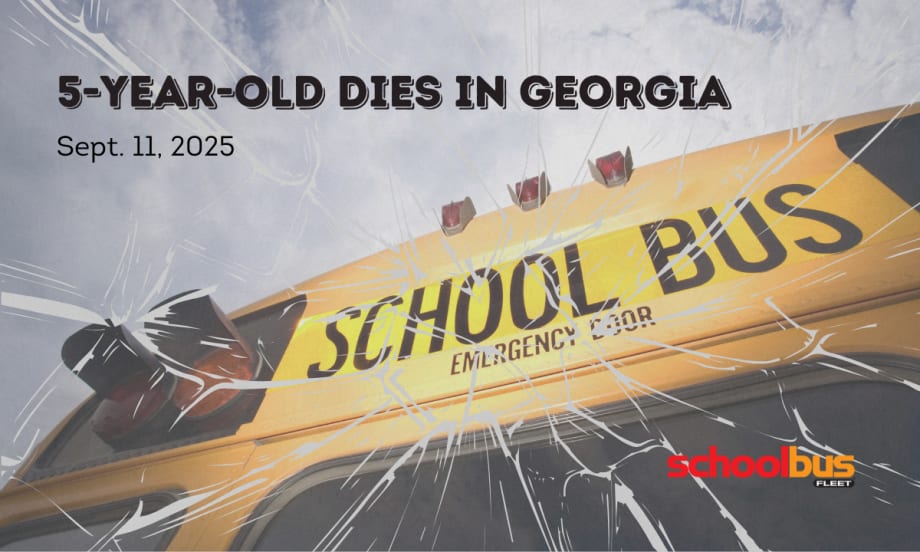
The child was at her bus stop the morning of Sept. 11. Not many additional details are available as the investigation continues.
Photo: School Bus Fleet
2 min to read
A 5-year-old girl was killed in Screven County, Georgia, while waiting for the school bus. It happened on Thursday, Sept. 11.
According to news reports, Kyleigh Roper was waiting to board the bus in the Whitehill Road area. For an unknown reason, the child darted into the roadway and was struck by another vehicle. Within minutes, she was transported to Optim Medical Center in Sylvania, where she later died.
“Our hearts are broken by the tragic loss of such a young and precious life. On behalf of the entire Screven County Sheriff’s Office, we extend our deepest condolences, thoughts, and prayers to the family and all those affected by this heartbreaking event,” the sheriff’s office said in a statement.
It was not disclosed which school the young girl attended.
An investigation continues.
The same day in Alaska, a 48-year-old woman was killed in Palmer. Reports say she was walking in the middle of the lane of travel, and the bus driver had no time to react. The driver remained at the scene and cooperated with law enforcement. No students were on the bus at the time.
The following day, a 14-year-old riding an e-bike was killed in Dover, Delaware, when he collided with a school bus. According to news reports, investigators say the school bus moved into the right-turn lane near an intersection at the same time the rider failed to stop at a posted bicycle stop sign prior to the intersection. The bus struck the biker on the passenger side. No students on the bus were injured.
More Safety

How to Build a Better School Bus Driver Training Program
Is it time to strengthen your driver training? Here’s how to pick the right talent and improve recruitment, retention, and safety. This video is brought to you by IC Bus.
Read More →
Recent School Bus Accidents Leave 2 Dead, 2 Injured
Four school bus crashes in Florida, Illinois, and Georgia highlight risks in transportation lots, at bus stops, and during student loading and unloading.
Read More →
Sponsored•September 8, 2026
When Every Second Matters, Clarity Keeps Routes Moving
From routine delays to urgent incidents, strong communication practices help drivers, dispatchers, schools, and families respond with confidence.
Read More →

What Happens When a School Bus Catches Fire — and What Can Help
School bus fires are rare but can be devastating. Learn how advances in fire suppression and asset protection help fleets detect fires earlier, reduce damage, and improve safety.
Read More →
Geotab Launches Tool to Help Fleets Investigate Road Incidents
Geotab Investigations combines telematics data, video, documents, and other evidence to help fleets reconstruct incidents, resolve claims, and determine what happened.
Read More →
Texas Sixth Grader Wins 2026 National School Bus Safety Poster Contest
Sai Darshana Yekolu of Moseley Middle School in Prosper, Texas, was named the newest winner for her artwork, bringing the theme of “Safe Rides, Everyday Heroes” to life.
Read More →
Sponsored•August 27, 2026
Doing More With Less: How Transportation Directors Can Prioritize Safety Amid Budget Uncertainty
With diesel prices soaring and nearly one-third of transportation directors expecting budget cuts, maintaining student safety has never been more challenging. Download this guide to learn how leading districts are prioritizing risk, funding critical safety technology, and building stronger budget cases with data.
Read More →
Walton County Schools Adds Gatekeeper Stop-Arm Enforcement System
The Florida district will deploy Gatekeeper’s updated Student Protector technology, which now incorporates AI to improve video evidence.
Read More →
How To Build a More Secure School Bus Yard During and After Hours
As thefts and overnight security threats continue, school transportation leaders are combining stronger operational practices with AI-enabled surveillance to better protect buses, facilities, and staff.
Read More →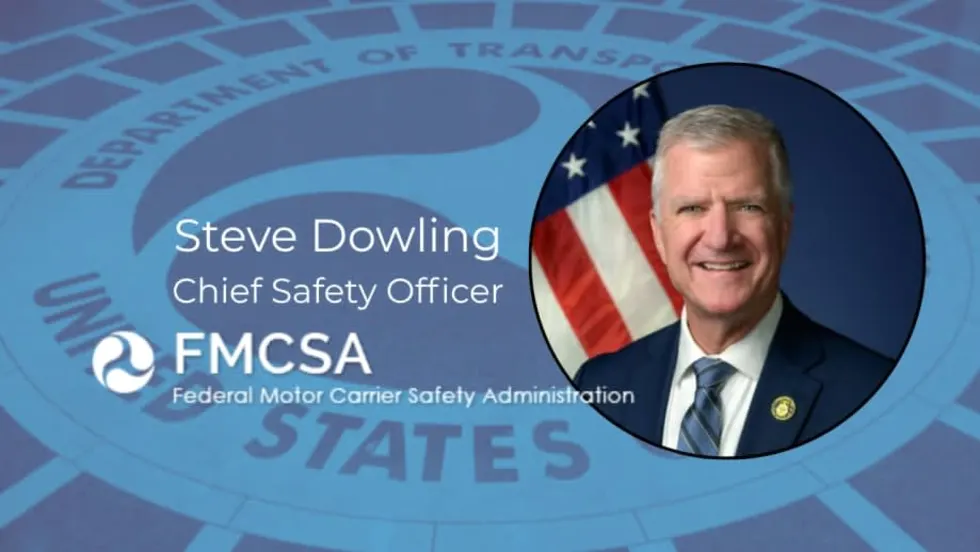
FMCSA Names New Chief Safety Officer: What School Bus Operators Should Know
Steve Dowling is set to lead the federal agency's efforts to advance commercial motor vehicle safety and reduce crashes, fatalities, and injuries on the nation's roadways.
Read More →