




Foundation offers free conflict resolution, anti-bullying training
The New Jersey State Bar Foundation's “Working It Out” program shows educators — including school bus drivers and pupil transportation officials — how to use conflict resolution lessons and the foundation’s curriculum guides to train students to be peer mediators. Its “Bullying and Teasing” program provides approaches for combating student bullying.

NEW BRUNSWICK, N.J. — Free conflict resolution and anti-bullying training are available to school bus drivers statewide through the New Jersey State Bar Foundation.
“Working It Out” is the foundation’s violence prevention program that focuses on conflict resolution and peer mediation. The foundation’s one-day training sessions for the program provide an opportunity for educators to learn how to use conflict resolution lessons and the curriculum guides provided by the foundation to train students to be peer mediators.
Leisa-Anne Smith, director of the New Jersey State Bar Foundation’s Conflict Resolution, Peer Mediation and Teasing and Bullying programs, told SBF in an interview that school bus drivers who participate in the training would receive the same information that teachers and other educators who work in schools receive, and that the information can be applied in the school bus environment. Moreover, transportation directors, managers and supervisors could benefit from the training.
Trainees receive curriculum guides for elementary, middle and high school students as well as informational posters.
“What we do with groups is go through a series of lessons that are in the curriculum. Some of the concepts include cooling off techniques, active and reflective listening skills, anger management techniques, dealing with peer pressure and the use of ‘I’ messages,” Smith explained.
(“I” messages are such statements as “I feel angry” and “I’m sad because ...” The rationale behind use of “I” messages is that when you start with “I,” you don’t place blame on others and you don’t put the other person on the defensive.)
Smith adds that the program is very interactive — it is not lecture-based. Trainees usually sit in groups of four and collaborate when working through the curriculum’s lessons and brainstorming about potential solutions to conflicts.
Training dates for the “Working It Out” program are posted on the New Jersey State Bar Foundation’s website, but Smith said that depending on the numbers, she would probably conduct a standalone training session for school bus drivers and/or pupil transportation supervisors in lieu of having them attend one of the scheduled training dates.
“In general, I would want to do the training here [at the New Jersey Law Center] because we have our own facility and we provide breakfast and lunch for free. When I work with outside groups, I build my training schedule around it and we discuss how many people will be trained, etc.” Smith said. “The training is usually from 8:30 a.m. to 2 p.m., but it can be flexible depending on the groups’ needs.”
The foundation’s anti-bullying program is called “Teasing and Bullying.” The training materials include informational posters and a curriculum guide titled “Bully-Busting Curriculum: Six Essential Lessons for Grades K-12.”
Topics covered during the program are dispelling myths and providing facts about bullying; how to differentiate teasing from bullying and tattling from reporting information; how to recognize passive, aggressive and assertive behavior; the use of “I” messages; and ways to help students who are bullied and students who do the bullying.
“One of the neat things about the teasing and bullying curriculum is that there is a conflict resolution component. Your folks wouldn’t have to do the conflict resolution training and the anti-bullying training. A pretty significant piece of the teasing and bullying curriculum is conflict resolution, because one of the toughest things for anyone who’s dealing with kids is to get well-versed in what constitutes bullying and what constitutes normal conflict. We’ve tried to make that a little more easily identifiable,” Smith said.
Smith can also provide standalone training for the bullying program, but she said she would want some assurance that administrators at pupil transporters’ school districts have taken a leadership role in regard to bullying prevention.
“If they’re astute enough to know that they need to have their school bus drivers trained, that training is going to be meaningless unless the administrators in the schools are getting the training as well and are walking the walk. School bus drivers can’t be the main enforcers — it’s not fair to them. All of the adults in the schoolchildren’s lives have to be involved,” Smith explained.
The New Jersey State Bar Foundation also offers a variety of resource videos on conflict resolution and bullying. The videos can be borrowed with a $50 refundable security deposit.
For more information about the videos, the "Working It Out" violence prevention/conflict resolution program or the "Teasing and Bullying" program, go here. Or, contact Smith at lasmith@njsbf.org or (732) 937-7517.
More Management
How to Build a Better Driver Training Program
Ready to boost up your school bus instructor training? Here’s how to pick the right talent and improve recruitment, retention, and safety.
Read More →
CALSTART and Forth Combine to Form Catalyst Mobility
The new name represents a renewed vision for the nonprofit focused on advancing clean, equitable, and affordable transportation solutions that move people and goods.
Read More →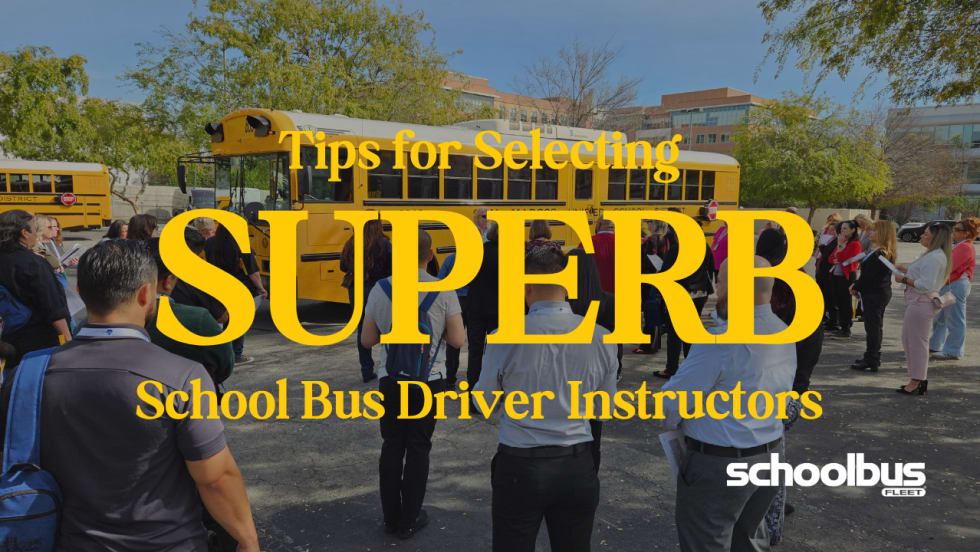
What Makes a Great School Bus Driver Trainer?
Choosing the right school bus driver trainer takes more than experience. Learn six keys to selecting and developing trainers and evaluating program effectiveness.
Read More →

School Bus Contractors Expand Through New Deals, Acquisitions & Partnerships
STA's Canadian division acquires Ontario-based G&L Stevenson Transport; Durham School Services adds a new district in California; First Student expands in New Jersey; and Minnesota Coaches rebrands and acquires Halo Transportation.
Read More →
Logan Bus Company Rolls Out AI Phone System for NYC School Bus Families
A summer pilot found that AI agents could handle most routine calls, freeing up time for customer service staff to focus on emergencies and complex family concerns.
Read More →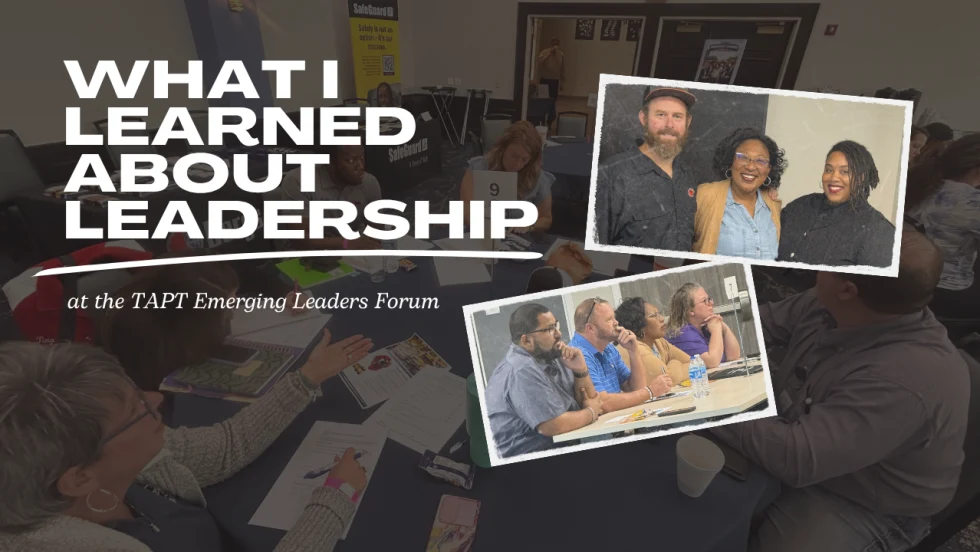
From Intent to Impact: What I Learned About Leadership from TAPT
A Texas transportation supervisor shares lessons on self-awareness, accountability, managing stress and building trust — and why investing in leadership development matters at every stage of your career.
Read More →
NAPT Names 2026 Award Recipients, Hall of Fame Inductee
Who earned national recognition for their work in student transportation? This year, NAPT named five recipients of its 2026 awards for service, safety, and leadership, plus its newest Hall of Famer.
Read More →
2026 State of Student Transportation Report
Driver shortages. Rising costs. Growing safety expectations. More data, but not enough time to act on it. The 2026 State of Student Transportation Report reveals what transportation leaders say is putting the most pressure on their operations—and where they’re investing next. See how your priorities compare.
Read More →
How to De-Escalate an Angry Person: 5 Steps for Handling Workplace Conflict
What makes emotions run high, and how should you handle an angry colleague or parent? Follow these steps for staying calm, listening, showing empathy, and resolving conflict.
Read More →
What Readiness Looks Like This School Year
Learn about the challenges shaping the 2026–2027 school year, from persistent driver shortages and budget pressure to technology and readiness gaps. See how school districts are responding and adapting in Zonar’s 2026 Back-to-School Readiness Report.
Read More →