




FCC Reopening Wi-Fi Funding Window in September
School districts throughout the U.S. have another chance at funds for bus hotspots and other projects.

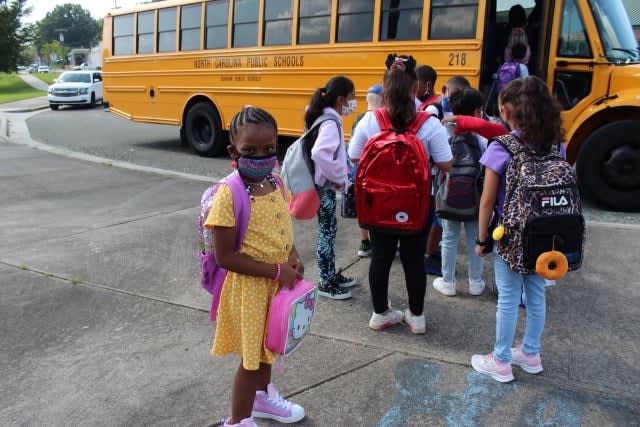
The next application window opens Sept. 28 and lasts until Oct. 13. Funding applies to projects in the 2021-22 academic year.
Photo courtesy Durham (N.C.) Public Schools
The Federal Communications Commission, citing more than $5 billion in requests from states seeking support from the Emergency Connectivity Fund Program, plans to reopen application filing from Sept. 28 to Oct. 13.
That comes as welcome news to Ronna Weber, executive director of the National Association of State Directors of Pupil Transportation Services (NASDPTS).
“We are pleased to see the FCC offer a second round of funding for Wi-Fi on school buses,” Weber said. “With the continued challenges of COVID and the efforts of every community to ensure all school children are connected, this is very welcome assistance.”
Getting Emergency Connectivity Fund Support for School Bus Wi-Fi: What to Know
Jessica Rosenworcel, acting chairwoman of the FCC, described the Emergency Connectivity Fund as “the single largest effort to bring connectivity and devices to students who lack them – and the robust response from applicants shows the tremendous need in our communities.”
The $7.17-billion program covers costs of laptop and tablet computers, Wi-Fi hotspots, modems, routers, and broadband connectivity purchases for off-campus use by students, school staff, and library patrons. This fund, along with the Emergency Broadband Benefit Program, represents an investment of more than $10 billion in American students and households, she said.
“The pandemic highlighted like never before the difference a reliable internet connection can make in a student’s education,” she said. “The need is there, and the opening of a second application window reflects that.”
Durham (N.C.) Public Schools submitted a request for FCC connectivity funds on Aug. 13, but so far hasn't received a decision on that request. The reopening of the application window also gives the FCC a chance to review previously submitted requests. Statewide, North Carolina requests thus far total $149,795,970.80, according to the FCC.
"Funding of this would allow us to continue serving our students with Wi-Fi connectivity and operational devices that allow for anytime/anywhere access to curriculum and instruction," said Joy Malone, executive director for information technology in the Durham schools.
5 Tips for Delivering School Bus Wi-Fi During the Pandemic
Michael LaRocca, transportation director for the Indiana Department of Education, said that the pandemic serves as a perfect example of how Wi-Fi helps, with multiple districts using buses as hotspots parked in various neighborhoods to make sure students could stay connected to educational opportunities.
“School districts are financially challenged by the current strain on their budgets for normal day-to-day operations,” LaRocca said. “That assistance from the federal government allows the district to access additional resources that would normally not be a priority in their current operations.”
Digital tools, such as mobile Wi-Fi hotspots, are critical to the daily education process, he said, but “stretching that capability beyond the four walls of school is difficult for a local district to accomplish without the assistance at the state or federal level.”
More Management

How to Build a Better Driver Training Program
Ready to boost up your school bus instructor training? Here’s how to pick the right talent and improve recruitment, retention, and safety.
Read More →
CALSTART and Forth Combine to Form Catalyst Mobility
The new name represents a renewed vision for the nonprofit focused on advancing clean, equitable, and affordable transportation solutions that move people and goods.
Read More →
What Makes a Great School Bus Driver Trainer?
Choosing the right school bus driver trainer takes more than experience. Learn six keys to selecting and developing trainers and evaluating program effectiveness.
Read More →


School Bus Contractors Expand Through New Deals, Acquisitions & Partnerships
STA's Canadian division acquires Ontario-based G&L Stevenson Transport while Durham School Services adds a new district contract in California, First Student adds a New Jersey contract, and Minnesota Coaches acquires Halo Transportation.
Read More →
Logan Bus Company Rolls Out AI Phone System for NYC School Bus Families
A summer pilot found that AI agents could handle most routine calls, freeing up time for customer service staff to focus on emergencies and complex family concerns.
Read More →
From Intent to Impact: What I Learned About Leadership from TAPT
A Texas transportation supervisor shares lessons on self-awareness, accountability, managing stress and building trust — and why investing in leadership development matters at every stage of your career.
Read More →
NAPT Names 2026 Award Recipients, Hall of Fame Inductee
Who earned national recognition for their work in student transportation? This year, NAPT named five recipients of its 2026 awards for service, safety, and leadership, plus its newest Hall of Famer.
Read More →
2026 State of Student Transportation Report
Driver shortages. Rising costs. Growing safety expectations. More data, but not enough time to act on it. The 2026 State of Student Transportation Report reveals what transportation leaders say is putting the most pressure on their operations—and where they’re investing next. See how your priorities compare.
Read More →
How to De-Escalate an Angry Person: 5 Steps for Handling Workplace Conflict
What makes emotions run high, and how should you handle an angry colleague or parent? Follow these steps for staying calm, listening, showing empathy, and resolving conflict.
Read More →
What Readiness Looks Like This School Year
Learn about the challenges shaping the 2026–2027 school year, from persistent driver shortages and budget pressure to technology and readiness gaps. See how school districts are responding and adapting in Zonar’s 2026 Back-to-School Readiness Report.
Read More →