


EXCLUSIVE: Industry officials respond to Huntsville crash report
Mike Martin of NAPT and Charlie Hood of NASDPTS discuss the National Transportation Safety Board’s findings on driver seat belt use and its call for event data recorders on buses.

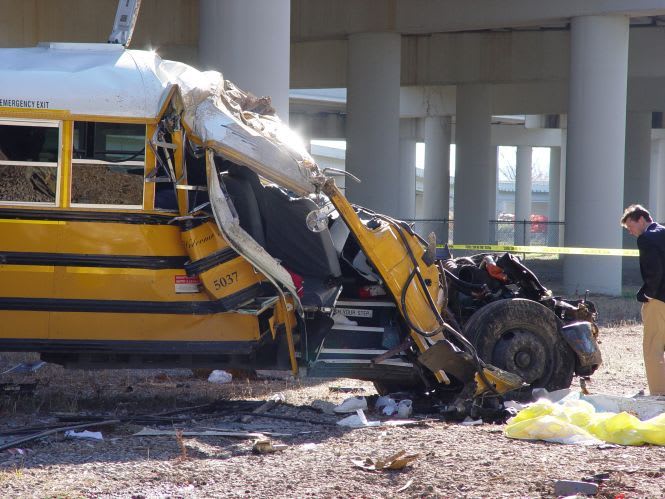
Mike Martin of NAPT and Charlie Hood of NASDPTS agreed with the NTSB assertion that an event data recorder on the school bus would have provided valuable information on the Huntsville crash.
Following the release of the National Transportation Safety Board’s (NTSB) report on the fatal Huntsville, Ala., school bus crash, two top industry officials shared with SBF their perspectives on the agency’s findings.
Charlie Hood, president of the National Association of State Directors of Pupil Transportation Services and the state director in Florida, said that “there are some important takeaways” in the NTSB briefing.
One is the confirmation that the bus driver was not wearing his seat belt. Although NTSB did not determine whether the driver’s ejection from the bus contributed to the loss of vehicle control and the crash, Hood said that “it’s fair to say that this crash investigation will help trainers and supervisors reinforce this important safety requirement when training bus operators or monitoring their performance.
“The few school bus operators who don’t wear their belts, or don’t wear them properly, must be reminded that in a school bus environment in particular, the safety belt not only helps prevent crash injuries, it helps prevent crashes in the first place by keeping drivers in their seats and in control of the bus,” Hood said.
Hood also noted that after a crash, the driver’s condition is critical to his or her ability to help with evacuations and injured students.
Mike Martin, executive director of the National Association for Pupil Transportation (NAPT), also pointed to the seat belt component of the NTSB report.
“Safety belt use by school bus drivers is critical to maintaining control of the bus under all operating conditions,” Martin said.
Additionally, Martin said that NAPT was pleased to learn from NTSB that the National Highway Traffic Safety Administration (NHTSA) is testing methods to provide school bus passenger protection for sidewalls, sidewall components and seat frames.
In the brief on the Huntsville crash, NTSB reiterated its 1999 recommendation to NHTSA to require event data recorders (EDRs) on school buses and motorcoaches.
Both Martin and Hood agreed that such a device would have provided valuable information on the Huntsville crash.
“While school buses maintain an excellent safety record, I hope that NHTSA is seriously pursuing this recommendation,” Hood said. “Most of the necessary electronics to achieve EDR functionality may already be standard equipment on late model school buses, so it’s possible there would be little extra cost to manufacturers and bus purchasers.”
Martin said that a recorder capturing data at a high enough sampling rate “would certainly have helped state and federal investigators seeking to make science-based recommendations for improving school bus and school bus passenger safety as a result of this crash.”
More Safety
North Carolina Student Killed While Boarding School Bus, Two Die in Utah Bus Crash
A Southern Nash High School student died after being struck by a pickup truck while approaching her school bus. In a separate incident, two people were killed after crashing into a school bus in Utah.
Read More →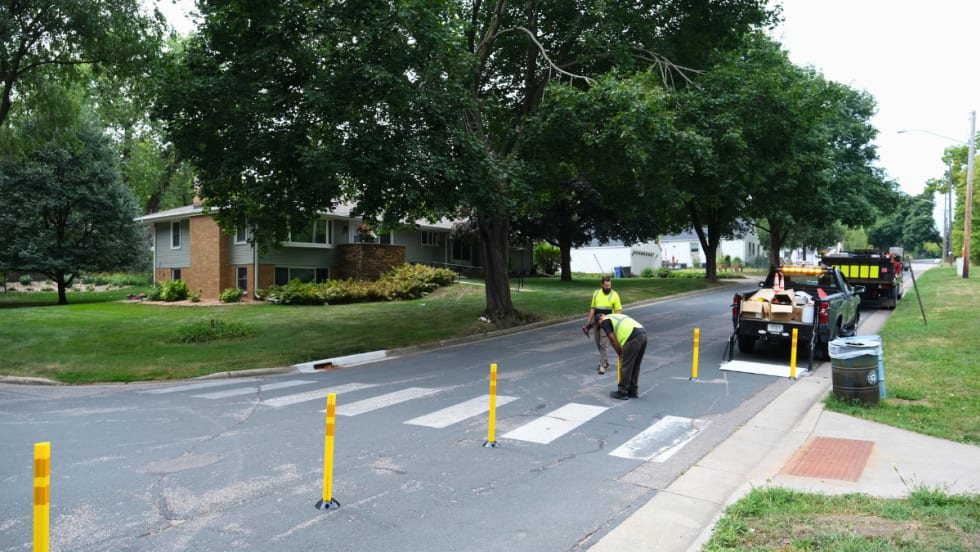
Minneapolis School Zone Pilot Cuts Speeding 41% with Low-Cost Street Design Changes
In a pilot project in Minnesota, two school-area intersections had low-cost, temporary road and traffic flow improvements made to measure the impact on roadway and student safety. Here's what they found.
Read More →
Sitestream, Safety Vision Partner with Connecticut City to Launch School Bus Stop-Arm Camera Program
The new enforcement initiative combines camera technology and violation management software to document illegal school bus passing, encourage driver compliance, and enhance student safety.
Read More →
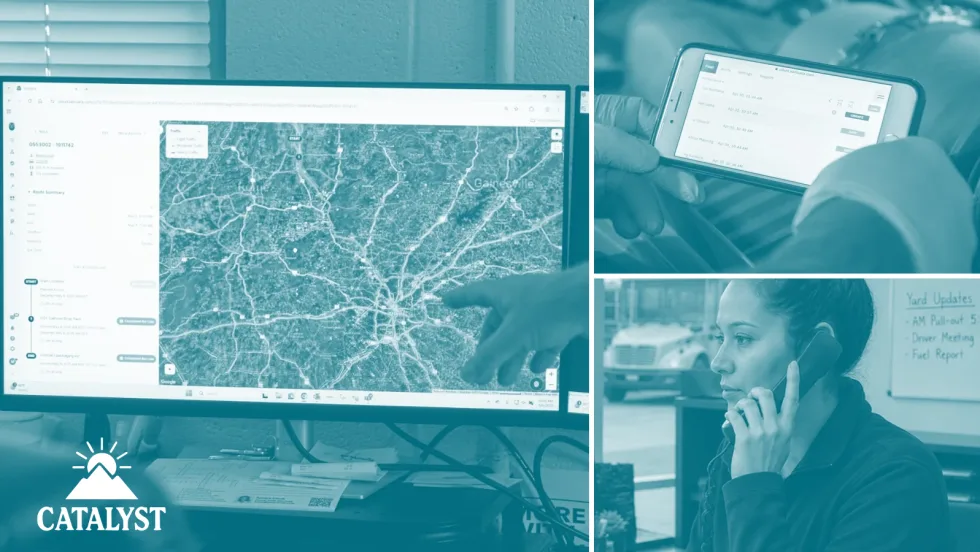
From Reactive to Proactive: Making Every Ride Visible
Smart technology only delivers its full value when it works together. See how Catalyst connects proven industry platforms to move student transportation from reactive to proactive.
Read More →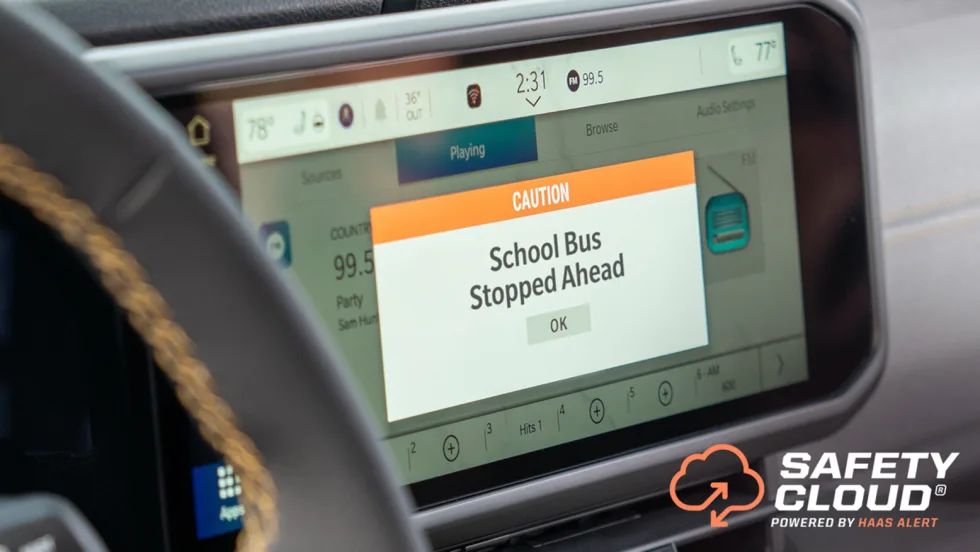
HAAS Alert’s Safety Cloud Warns Motorists of Stopped School Buses
Through a transponder or Samsara connection, the product lets school bus fleets send advance warnings to approaching drivers through in-vehicle alerts.
Read More →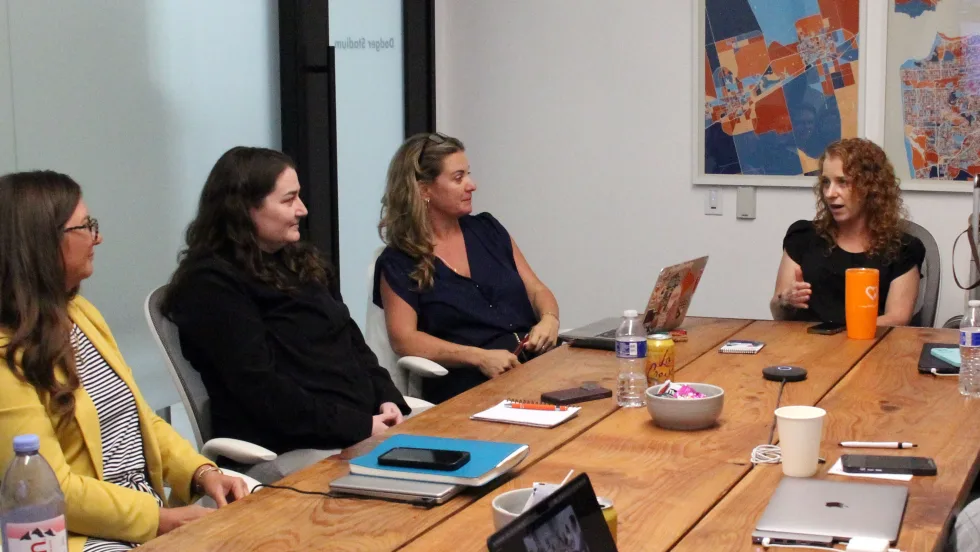
HopSkipDrive Reports Progress on Safety Advisory Council
More than a year after forming the council, independent safety experts have helped shape new rider-safety features and policy progress, with a new goal to address rider behavior.
Read More →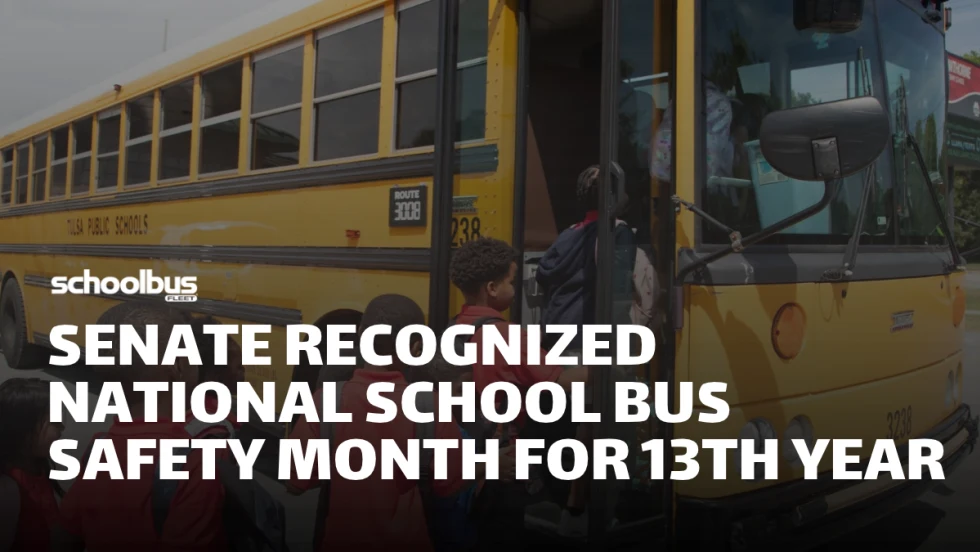
What the 2026 National School Bus Safety Month Resolution Means for Student Transportation
The bipartisan resolution highlights illegal school bus passing, student safety during loading and unloading, and the need for driver training and public education.
Read More →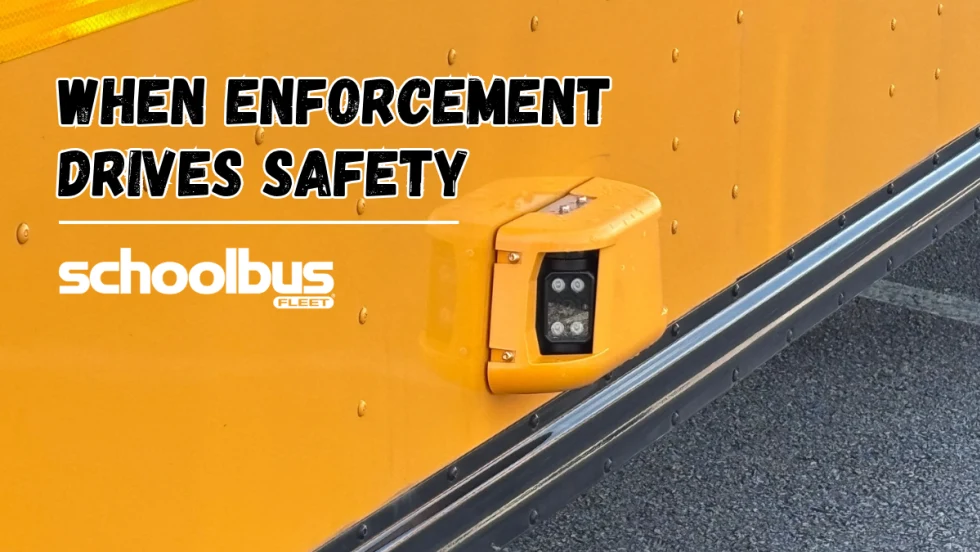
School Bus Stop-Arm Violations Decline 53% Across Verra Mobility Programs
Verra Mobility shares how school bus stop-arm cameras and school zone safety programs are changing driver behavior, reducing violations, and protecting students.
Read More →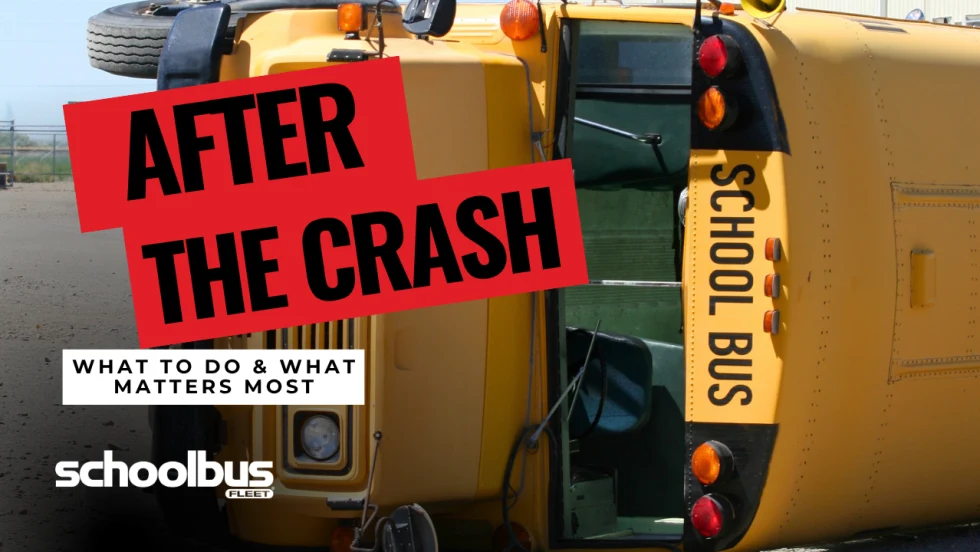
Most Bus Crashes Aren’t Your Fault. Here’s How to Prove It.
A guide for what to do in between a school bus crash and a claim: what to preserve, who to notify, and how to keep the facts available when they matter.
Read More →
National School Bus Safety Week 2026: Tips, Toolkits & Resources to Keep Students Safe
School bus safety takes more than awareness. Explore expert tips, enforcement strategies, and free resources to help protect students on every ride.
Read More →