




EPA alleges excessive idling, fines bus company $33K
School bus operator North Reading Transportation will pay the penalty to settle EPA allegations that it violated federally enforceable motor vehicle idling limits in Massachusetts. EPA officials say that the company has responded quickly and has already implemented a number of idle-reduction measures.

METHUEN, Mass. — North Reading Transportation (NRT) will pay a penalty of $33,000 to settle EPA allegations that it violated federally enforceable motor vehicle idling limits in Massachusetts.
The Methuen-based company operates school buses and provides student transportation services in several Massachusetts communities.
Under the settlement, NRT will implement a suite of idling reduction measures, including training all drivers, posting anti-idling signs, performing periodic “walk-throughs” of school bus lots to ensure that no excessive idling occurs, and notifying school districts of NRT’s policy against excessive idling. Also, NRT will install block heaters in nearly 200 of its school buses.
EPA officials said that NRT has responded quickly and has already implemented a number of these idle-reduction measures.
Earlier this year, an EPA inspector reportedly observed NRT school buses idling for extended periods of time in school bus lots in Lowell, Lynn, Wilmington and Methuen.
The EPA alleged that the company’s “excessive idling” was in violation of federally enforceable motor vehicle idling limits contained in the Massachusetts air quality state implementation plan. The applicable regulations establish requirements for all motor vehicles operating in the state and, with few exceptions, limit idling to five minutes.
“Diesel exhaust is a serious health concern for children, both here in Massachusetts and across the country. Reducing idling helps protect children’s health,” said Curt Spalding, regional administrator of the EPA’s New England office. “Taking easy and common-sense steps to avoid excessive idling helps to save fuel and money, and reduces unnecessary air pollution.”
More Safety

When Every Second Matters, Clarity Keeps Routes Moving
From routine delays to urgent incidents, strong communication practices help drivers, dispatchers, schools, and families respond with confidence.
Read More →
What Happens When a School Bus Catches Fire — and What Can Help
School bus fires are rare but can be devastating. Learn how advances in fire suppression and asset protection help fleets detect fires earlier, reduce damage, and improve safety.
Read More →
Geotab Launches Tool to Help Fleets Investigate Road Incidents
Geotab Investigations combines telematics data, video, documents, and other evidence to help fleets reconstruct incidents, resolve claims, and determine what happened.
Read More →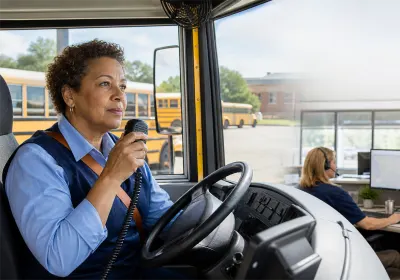

Texas Sixth Grader Wins 2026 National School Bus Safety Poster Contest
Sai Darshana Yekolu of Moseley Middle School in Prosper, Texas, was named the newest winner for her artwork, bringing the theme of “Safe Rides, Everyday Heroes” to life.
Read More →
Doing More With Less: How Transportation Directors Can Prioritize Safety Amid Budget Uncertainty
With diesel prices soaring and nearly one-third of transportation directors expecting budget cuts, maintaining student safety has never been more challenging. Download this guide to learn how leading districts are prioritizing risk, funding critical safety technology, and building stronger budget cases with data.
Read More →
Walton County Schools Adds Gatekeeper Stop-Arm Enforcement System
The Florida district will deploy Gatekeeper’s updated Student Protector technology, which now incorporates AI to improve video evidence.
Read More →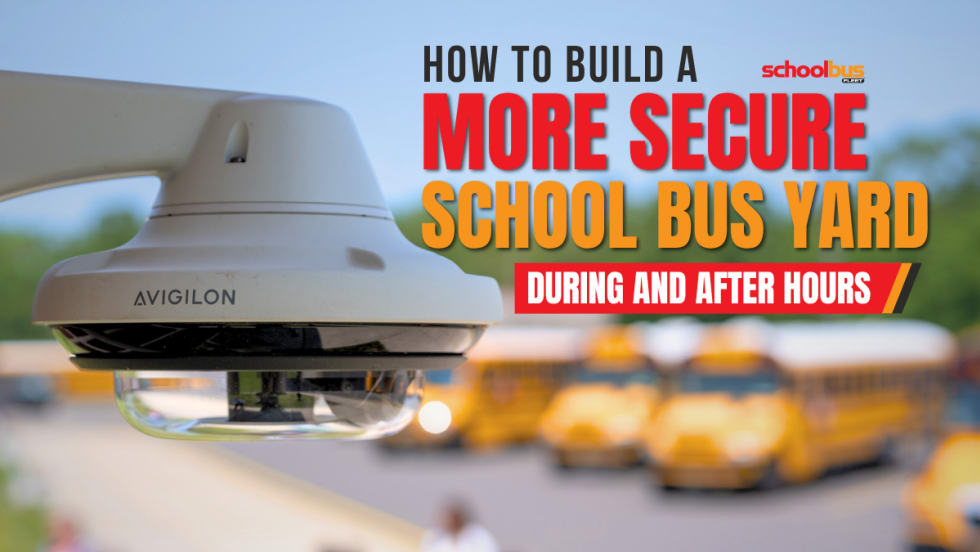
How To Build a More Secure School Bus Yard During and After Hours
As thefts and overnight security threats continue, school transportation leaders are combining stronger operational practices with AI-enabled surveillance to better protect buses, facilities, and staff.
Read More →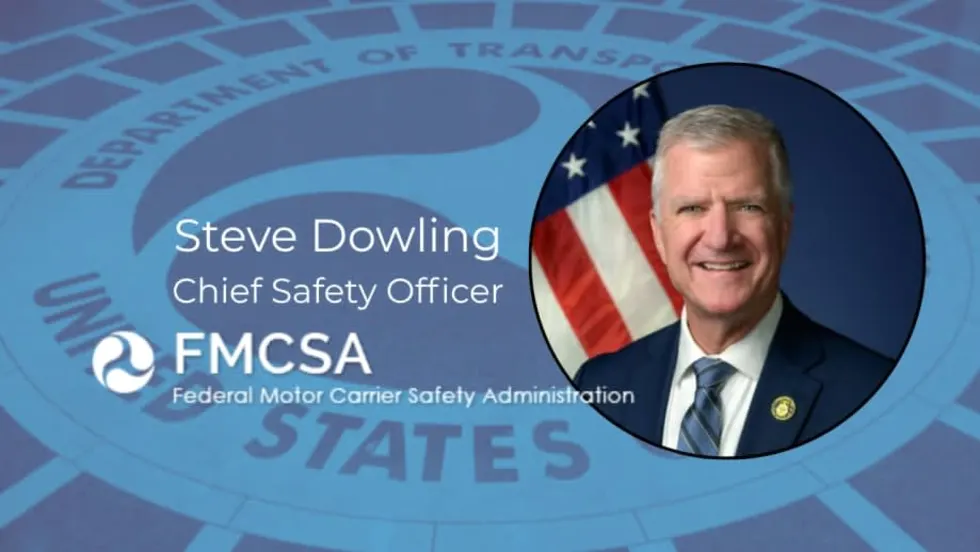
FMCSA Names New Chief Safety Officer: What School Bus Operators Should Know
Steve Dowling is set to lead the federal agency's efforts to advance commercial motor vehicle safety and reduce crashes, fatalities, and injuries on the nation's roadways.
Read More →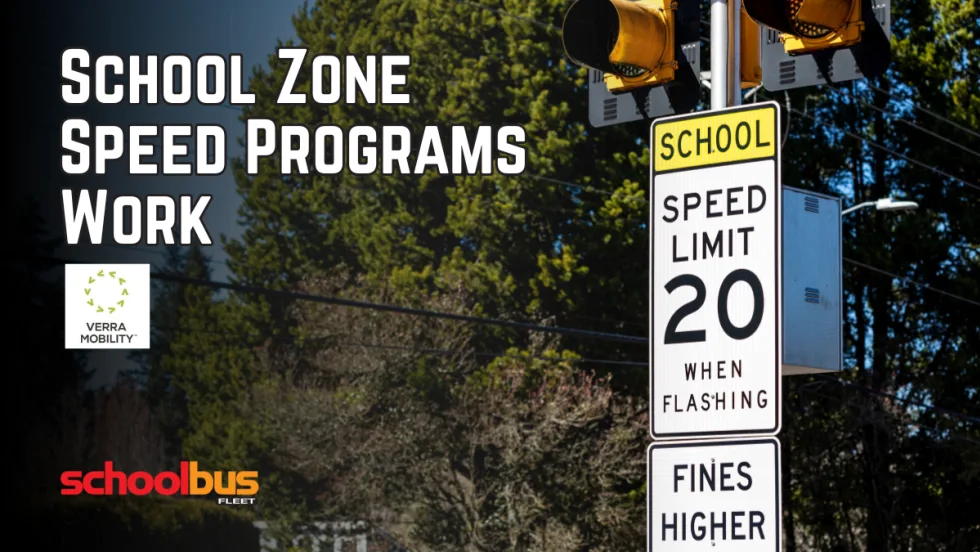
New Study Finds School Zone Speed Safety Cameras Cut Speeding Violations 97%
A Florida university's research demonstrates that Verra Mobility's automated enforcement changes driver behavior and significantly improves school zone safety.
Read More →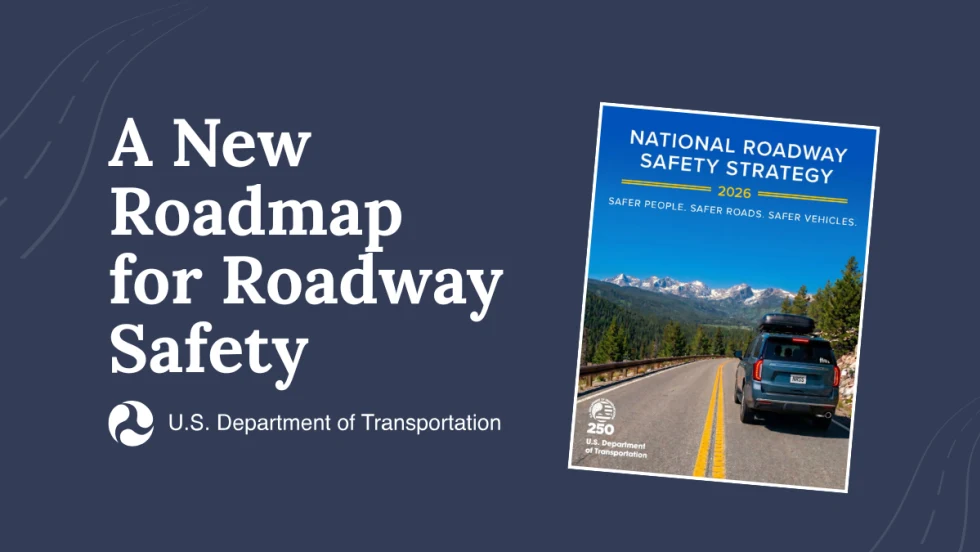
What Changed in DOT’s New National Roadway Safety Strategy?
The federal agency's new plan shifts its focus to safer people, roads and vehicles, with a new three-pronged approach instead of five. One outlined action even addresses a key industry concern around illegal school bus passing.
Read More →