




District cuts costs by running propane-powered buses
Zeeland (Mich.) Public Schools purchased nine new Blue Bird Propane-Powered Vision school buses in August 2010. Transportation Director David Meeuwsen says the district averages a savings of 80 cents per gallon with propane versus biodiesel fuel, and that once the district applies for the 50-cent-per-gallon government tax credit, he approximates fuel savings of 30 percent.

ZEELAND, Mich. — Zeeland Public Schools has been powering its buses with environmentally friendly fuels for the past eight years. Since 2003, the district has used biodiesel to power the majority of its school buses, and more recently, officials became interested in the advantages of propane.
In addition to learning that propane burns cleaner than diesel, thereby emitting less particulate matter, school officials found propane to be more cost effective than biodiesel, and to perform better as well.
Zeeland Public Schools bought nine new Blue Bird Propane-Powered Vision school buses with CleanFuel USA’s liquid propane injection system from Holland Bus Co. in August 2010.
The district received a grant to fund half the cost of the new school buses through the Diesel Emissions Reduction Act. Officials worked with AmeriGas, a partner in the grant, to supply propane for the new buses. AmeriGas installed a refueling station on site at the district and provided officials with the option of buying the refueling system in the future.
Transportation Director David Meeuwsen said the school district averages a savings of 80 cents per gallon with propane versus biodiesel fuel. Additionally, the district is hoping to take advantage of the 50-cent-per-gallon government tax credit available for the use of propane.
“Once we apply for this tax credit, we approximate fuel savings of 30 percent, contributing to a major cost reduction,” Meeuwsen explained.
Zeeland Public Schools’ technicians were trained by CleanFuel USA at Holland Bus Co. on how to maintain the pressurized propane system on the buses.
“The technicians are impressed by how much longer the oil stays clean in the bus,” Meeuwsen said. “Based on our oil analysis program, we anticipate the buses fueled by propane autogas will need oil changes only every 20,000 to 30,000 miles. Also, the filters won’t have to be changed as frequently as the diesel-fueled buses.”
Meeuwsen also said that his bus drivers are enjoying transporting the district’s 9,000 students who receive bus service in the propane-powered vehicles because they “warm up faster, have greater power and are quieter than the diesel buses.”
Based on the positive impact of running the propane-powered buses, Meeuwsen has had conversations about expanding the use of propane in the district’s fleet.
“The buses fueled by propane autogas fit into the environmental standard we are trying to accomplish here at Zeeland,” he said.
More Alternative Fuels
Alt-Fuel Moves: Electric Bus Rollouts, Bidirectional Charging & Propane Growth
See which fleets are adding electric and propane school buses as districts and operators invest in charging infrastructure, bidirectional technology, and alternative-fuel expansion.
Read More →
Nobody Told Diesel Prices They Were Supposed to Come Down
With diesel prices surging, school bus fleets have new reason to stress-test fuel costs, consider diversification, and calculate what each route really costs to operate.
Read More →
Why Gasoline School Buses Are Making a Comeback
Gasoline is gaining ground in full-size school buses. See how today’s options stack up against diesel on cost, maintenance, emissions, performance, and more.
Read More →
EPA Opens $180M DERA Funding Round for Diesel Upgrades
The 2026 Diesel Emissions Reduction Act program seeks applications from eligible organizations to accelerate the retirement of legacy diesel vehicles.
Read More →
The Secret Life of an Electric School Bus Battery
Batteries change throughout years of daily routes, but degradation doesn’t necessarily mean the end. Here’s what operators should know about performance, safety, and second life.
Read More →
CALSTART and Forth Combine to Form Catalyst Mobility
The new name represents a renewed vision for the nonprofit focused on advancing clean, equitable, and affordable transportation solutions that move people and goods.
Read More →
Alt-Fuel Moves: New Buses, Charging Hubs & Real-World EV Testing
Propane and electric school bus deployments continue to grow as districts add new vehicles, expand charging infrastructure, and gather more real-world operating data.
Read More →
Fewer Electric School Bus Models Reshape the U.S. Market
WRI’s latest buyer’s guide points to a consolidating electric school bus market, but fewer options may reflect a maturing industry rather than fewer meaningful choices for school bus operators.
Read More →
The Fuel Budget You Can Actually Predict: How Propane Autogas Keeps Money in the Classroom
Learn how propane autogas helps school districts manage fuel costs with predictable pricing, lower maintenance, and reduced emissions from former transportation director Joel Stutheit.
Read More →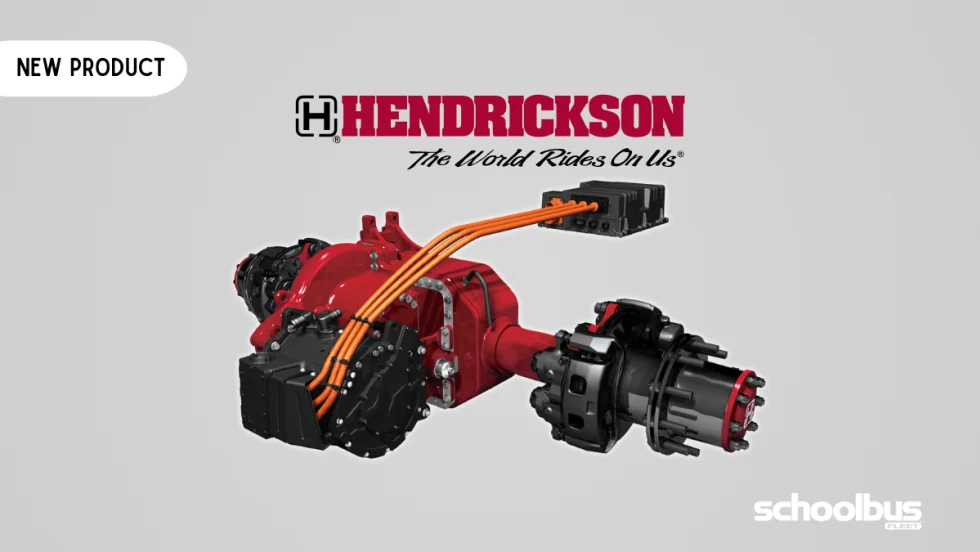
Hendrickson, Driventic Introduce New Electric Powertrain for School Buses
ELECTRAAX, the electrified, lightweight drive axle offers integrated ePowertrain efficiency and modular flexibility for Class 6–7 school bus use.
Read More →