




Cummins supports greenhouse gas, fuel efficiency standards
Company executive Dr. Stephen J. Charlton testifies at a public hearing about the EPA and NHTSA's proposed Heavy-Duty National Program, which would reduce emissions and increase fuel efficiency for heavy-duty engines and vehicles. Charlton says that Cummins looks forward to working with the agencies to deliver a final rule on the program.

COLUMBUS, Ind. — Dr. Stephen J. Charlton, chief technical officer of engine business and vice president of Cummins Inc., testified on Monday at an EPA and National Highway Traffic Safety Administration (NHTSA) public hearing in Chicago, confirming the company’s support for greenhouse gas and fuel efficiency standards for heavy- and medium-duty commercial vehicles and engines.
As SBF previously reported, on Oct. 25, the EPA and the NHTSA proposed rules to establish a comprehensive Heavy-Duty National Program, which from 2014 to 2018 would reduce greenhouse gas emissions and increase fuel efficiency for on-road heavy-duty engines and vehicles. The EPA has proposed greenhouse gas emissions standards under the Clean Air Act, and NHTSA has proposed equivalent fuel consumption standards under the Energy Independence and Security Act of 2007.
"While we are still working through the details of the proposal and are preparing written comments on specific aspects, we support the time line laid out by President Barack Obama to finalize this rule by July 30, 2011, and deliver improvements over the 2014 to 2018 timeframe. The rule and these benefits can be delivered in this short timeframe because many of the building blocks already exist," Charlton said.
Over the last 30 years, the industry and government have partnered together to advance clean, efficient technologies. Under the Clean Air Act, heavy-duty diesel engine emissions of nitrogen oxide (NOx) and particulate matter have been reduced by 99 percent. The U.S. Department of Energy (DOE) has fostered public-private partnerships to develop the heavy-duty technologies needed to meet stringent emissions standards and improve efficiency. Additionally, the SmartWay partnership, launched by the EPA in 2004, has attracted thousands of partners focused on reducing greenhouse gas emissions and fuel consumption.
"Cummins’ partnership with the DOE over the past 20 years has allowed us to bring evolutionary and breakthrough engine technologies to the market faster and at a lower cost than we could have done going it alone," Charlton added during his testimony. "Complying with the stringent 2010 NOx limits under the EPA's Heavy-Duty Highway Rule has put Cummins well along the path of meeting future greenhouse gas and fuel-efficiency requirements."
Cummins’ selective catalytic reduction technology reduces NOx to the near-zero levels required and also enables greater fuel efficiency. As a result, Cummins 2010 heavy-duty and MidRange engines deliver up to 6 percent improved fuel efficiency compared with the previous models.
The EPA’s and NHTSA’s proposed rules for the Heavy-Duty National Program establishes three regulatory categories of heavy-duty vehicles: combination tractors; heavy-duty pickup trucks and vans; and vocational vehicles. For combination tractors and vocational vehicles, the agencies have proposed separate engine and vehicle standards.
"We strongly support this regulatory structure," Charlton said. "By building on our long history of working together, and by utilizing existing programs where possible, we can together deliver the greenhouse gas and fuel-consumption benefits envisioned in this rulemaking. We appreciate the open and collaborative process that the EPA and NHTSA have used in proposing this historic regulation. We look forward to continuing to work with the agencies over the coming months to develop a final rule."
More Alternative Fuels

CALSTART and Forth Combine to Form Catalyst Mobility
The new name represents a renewed vision for the nonprofit focused on advancing clean, equitable, and affordable transportation solutions that move people and goods.
Read More →
Alt-Fuel Moves: New Buses, Charging Hubs & Real-World EV Testing
Propane and electric school bus deployments continue to grow as districts add new vehicles, expand charging infrastructure, and gather more real-world operating data.
Read More →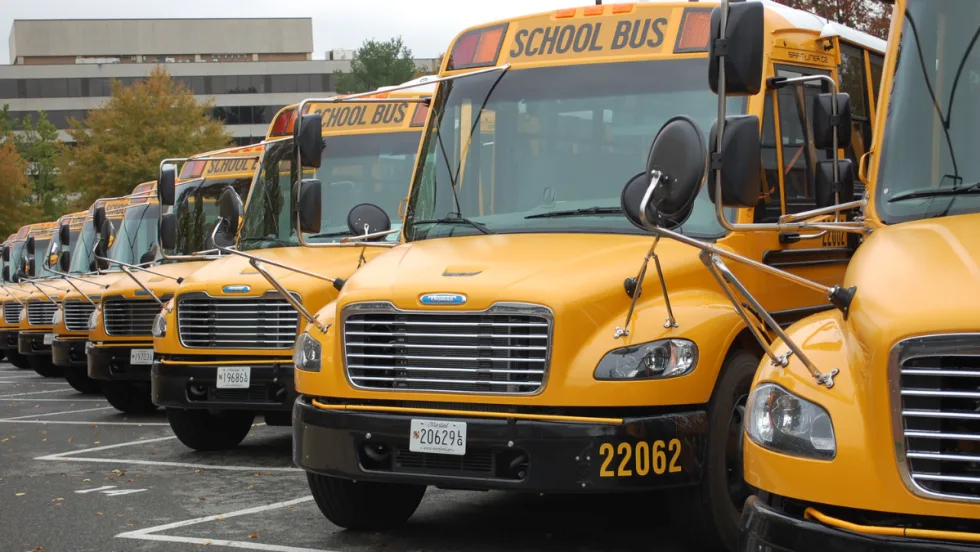
Fewer Electric School Bus Models Reshape the U.S. Market
WRI’s latest buyer’s guide points to a consolidating electric school bus market, but fewer options may reflect a maturing industry rather than fewer meaningful choices for school bus operators.
Read More →
The Fuel Budget You Can Actually Predict: How Propane Autogas Keeps Money in the Classroom
Learn how propane autogas helps school districts manage fuel costs with predictable pricing, lower maintenance, and reduced emissions from former transportation director Joel Stutheit.
Read More →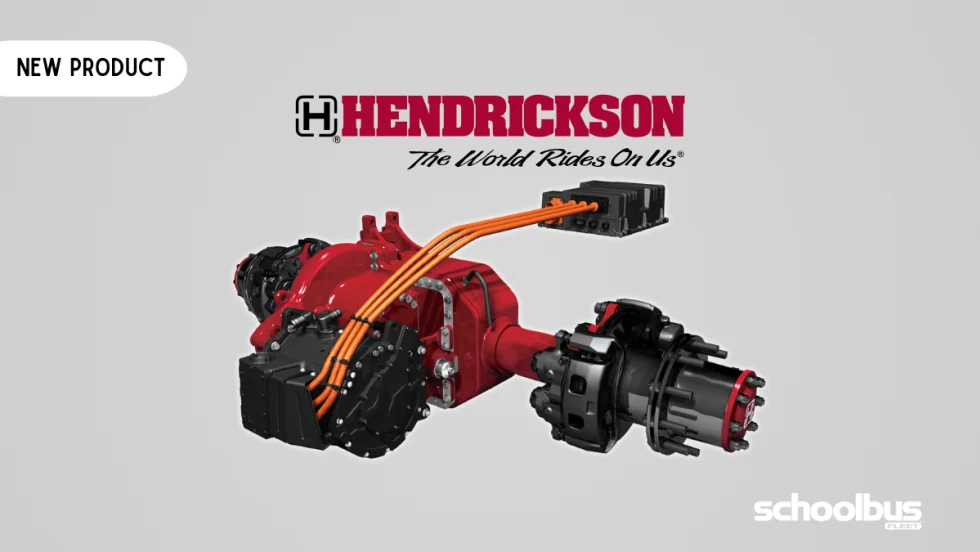
Hendrickson, Driventic Introduce New Electric Powertrain for School Buses
ELECTRAAX, the electrified, lightweight drive axle offers integrated ePowertrain efficiency and modular flexibility for Class 6–7 school bus use.
Read More →
The Mobility House Joins PowerFlex in Fleet Electrification Deal
The acquisition combines intelligent charging software, bidirectional charging expertise, and fleet electrification services to support the growing adoption of electric school buses across North America.
Read More →
Alt-Fuel Moves: Electric School Bus Investments Hit the Road
See which districts across the U.S. are putting electric school buses into service, expanding charging infrastructure, and planning the next phase of fleet electrification.
Read More →
With Fuel Volatility Ahead, School Districts Turn to Propane
While diesel prices peaked above $5 this spring, districts with propane autogas-powered fleets paid under $2 per gallon, according to PERC.
Read More →
EPA Unveils Proposed Changes to 2027 Heavy-Duty Engine Rules
The federal agency has proposed changes to next year’s targets that would eliminate DEF derates, ease warranty requirements, and retain current NOx emissions standards.
Read More →
Alt-Fuel Moves: EV Charging & Infrastructure Projects Gain Momentum
The latest developments include new funding, charging infrastructure, utility investments, and fleet technologies designed to support the transition to electric school buses nationwide.
Read More →