




Cummins Details Renewable Diesel Compatibility
The Cummins B4.5, B6.7, and L9 engine platforms are compatible with paraffinic renewable diesel fuels meeting the EN 15940 specification.


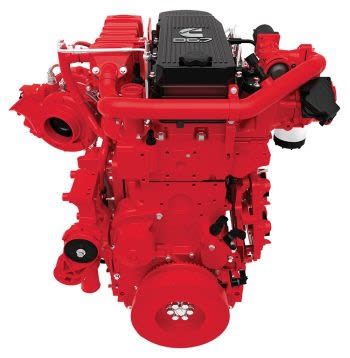
The Cummins B4.5, B6.7 (pictured), and L9 engine platforms are compatible with paraffinic renewable diesel fuels meeting the EN 15940 specification.
COLUMBUS, Ind. — The Cummins B4.5, B6.7, and L9 engine platforms are compatible with paraffinic renewable diesel fuels meeting the EN 15940 specification, the engine manufacturer announced on Wednesday.
Both on-highway and off-highway versions of the B6.7 and L9 platforms and all vintages are approved to use paraffinic diesel fuels in North America.
Cummins' approval of the use of renewable diesel with the B6.7 and L9 engines aligns with the recent introduction of EN 15940, a final European CEN specification for paraffinic diesel fuels, including hydrotreated vegetable oil, gas-to-liquids, and biomass-to-liquids.
Operators of Cummins-powered trucks and buses are required to source all paraffinic fuels from high-purity suppliers meeting EN 15940, which ensures that the fuel contains the necessary lubricity additive for use in a diesel engine.
According to the company, the approval of renewable diesel helps further reduce the carbon footprint of Cummins-powered bus, truck, agricultural, and construction fleets. Compared with conventional fossil-based diesel, paraffinic diesel fuels offer the potential to reduce greenhouse gas emissions by 40% to 90% over the total life cycle of the vehicle, Cummins said.
Paraffinic diesel fuels can be used as a 100% substitute for standard EN 590 or ASTM D975 ultra-low sulfur diesel without requiring any change to the Cummins engine. No additional engine maintenance is required when using paraffinic fuels meeting the EN 15940 specification, and the same fuel filters are retained.
Cummins said that paraffinic diesel can easily be blended with standard diesel at varying percentages, including winter-grade fuels, and it has the same stability and cold properties as conventional diesel, which means it can be used and stored in the same ways.
Cummins led an 18-month field trial running 100% paraffinic diesel fuel in order to understand changes in engine performance, aftertreatment effects, and fuel system durability. The manufacturer reported that engine performance remained stable and consistent while using the paraffinic fuel. Depending on the application and the engine duty cycle, a fuel economy detriment of up to 6% is expected due to the lower density of paraffinic fuels compared with regular diesel fuel.
An analysis of the aftertreatment system showed that each subsystem — the diesel oxidation catalyst, diesel particulate filter, and selective catalytic reduction — remained stable throughout the test with performance similar to that of regular diesel fuel, Cummins found. The materials in the fuel system equipment (O-rings, injectors, and pumps) are all compatible with EN 15940 diesel fuels.
"The use of paraffinic diesel allows customers to minimize their emissions-based footprints without additional capital investment,” said Jim Fier, Cummins’ vice president of engineering. “Plus, they have the comfort of knowing that Cummins conducted a thorough analysis prior to approval.”
Other light-duty, heavy-duty, and high-horsepower platforms are currently undergoing a similar validation plan on 100% paraffinic fuels, and Cummins said that it will be announcing the results of those studies throughout 2017.
More Maintenance
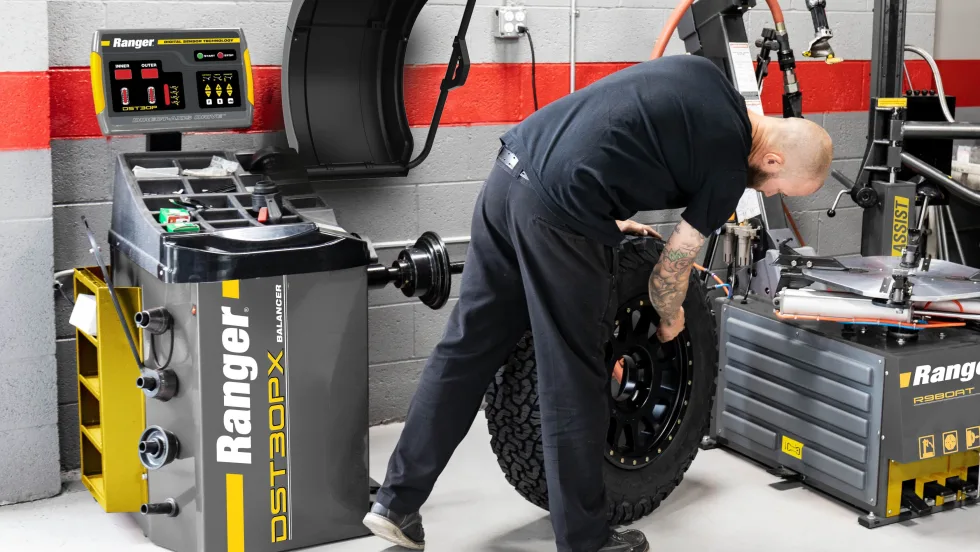
BendPak Launches Ranger DST30PX Wheel Balancer
BendPak's new wheel balancer handles tires up to 43 inches in diameter, with a reinforced design, precise weight placement, and faster service cycles.
Read More →
Tips for Ensuring School Bus Garages Are Safe and Warm Year-Round
Cold maintenance bays and rising heating costs? Learn how school bus garages can improve comfort with targeted heating, better airflow, and winter preparation.
Read More →
ASE Highlights School Bus Technician Certification Requirements
ASE is encouraging school bus maintenance professionals to maintain their certifications, highlighting seven specialized tests and five-year renewal requirements.
Read More →
International Adds E-Commerce Capabilities to Fleetrite.com
IC Bus customers can now browse, buy, and track shipments for more than 400,000 aftermarket parts online.
Read More →
The Most Expensive Thing You Do Before Selling a School Bus: Wait
When should you sell an aging school bus? Learn how maintenance, mileage, corrosion, specifications, and timing can affect resale value long before the auction.
Read More →
The Evolution of DEF Header Technology: What School Bus Operations Should Know at Replacement Time
See what school bus fleets should consider when replacing DEF headers to improve reliability, reduce repeat repairs, and control maintenance costs.
Read More →
The Essential Guide to School Bus Maintenance and Student Safety
Your district's buses carry students to school every day. This guide shows how predictive maintenance powered by fleet data helps keep buses reliable, drivers accountable and students safer from the first bell to the last stop.
Read More →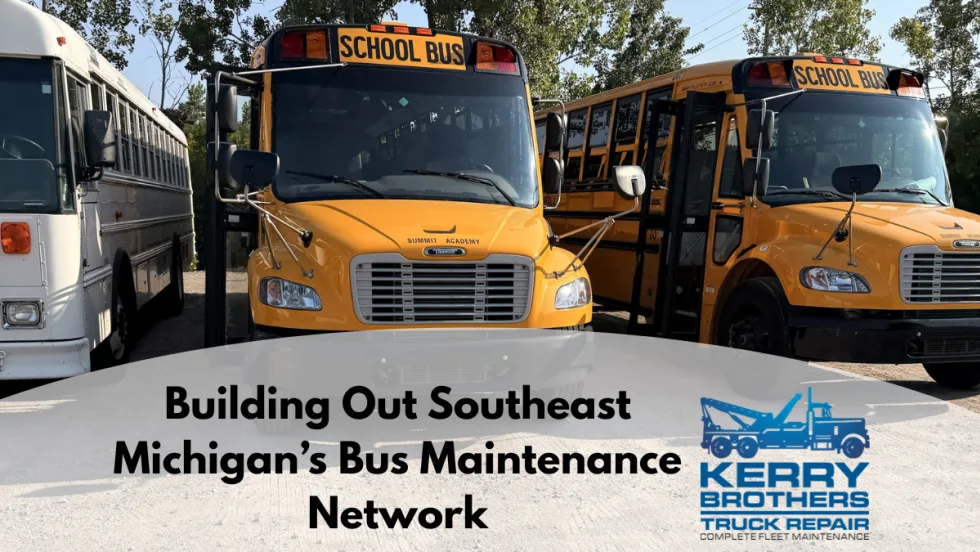
Kerry Brothers Grows Michigan School Bus Repair Network
The acquisition of Downriver Truck and Bus expands Kerry Brothers’ school bus maintenance footprint across southeast Michigan, adding repair capacity, diagnostic resources, and state inspection support.
Read More →
Noregon Introduces CAN Bus Diagnostic Tool, Expands JPRO Features
CAN Mentor and the latest JPRO update aim to simplify vehicle network diagnostics and improve repair efficiency for technicians of all experience levels.
Read More →
Cummins on Smarter, Simpler Engine Innovation
Cummins discusses its first-ever gasoline engine for school buses, EPA 2027, and why bus fleets still want durable, simpler internal combustion options.
Read More →