




Cummins announces 2013 school bus engine lineup
The diesel options are the ISB6.7 and ISL9, which feature onboard diagnostics and the Cummins Aftertreatment System, which integrates a diesel particulate filter and selective catalytic reduction. The Cummins Westport ISL G natural gas engine features a passive Three-Way Catalyst aftertreatment system.

MEMPHIS, Tenn. — Cummins Inc. announced its complete product lineup for the school bus market at the National Association for Pupil Transportation trade show on Tuesday.
Officials said these diesel and natural gas engines are designed to meet the 2014 U.S. EPA greenhouse gas (GHG) and fuel-efficiency standards a full year early.
New regulations from the EPA and the U.S. Department of Transportation will institute equivalent carbon dioxide and fuel-efficiency standards for commercial vehicle engines beginning in 2014. All of Cummins' on-highway products will meet these standards Jan. 1, 2013.
"Cummins continues to show customers our commitment to being better where it counts for their business,” said Tom Hodek, general manager, North American bus business. “We are delivering products with better fuel economy, reliability and durability that, in turn, will meet the 2014 GHG and fuel-efficiency standards a year early. This pioneering capability as a leader in diesel engine technology emphasizes our longstanding commitment to bring cleaner and more fuel efficient products to the market for our customers."
For 2013, Cummins will offer the school bus market two diesel-powered engines — the ISB6.7 and ISL9.
The ISB6.7 is driven by the High Pressure Common Rail fuel system, VGT turbocharger and fully integrated electronic controls. The 2013 ISL9 features the XPI fuel system to maximize fuel economy and performance while decreasing exhaust emissions to near-zero levels.
The ISB6.7 has ratings of 200 hp to 300 hp (149-224 kW), and the ISL9 has ratings of 260 hp to 370 hp (194-276 kW). Both engines also feature the Cummins Aftertreatment System from Cummins Emission Solutions, which integrates a diesel particulate filter and selective catalytic reduction.
Officials said onboard diagnostics (OBD) will be included on the diesel engine lineup for 2013 as well. OBD monitors emissions-related engine systems and components, and alerts the operator of any malfunctions. OBD is designed to further enhance the engine and operating system by providing early detection of emissions-related faults.
The 2013 Cummins Westport ISL G natural gas engine will remain in the Cummins product portfolio for the school bus market. The spark-ignited ISL G, which shares 80% of common components with its diesel counterpart, the ISL9, delivers low-end torque, transient response and quiet operation, according to the company. It also features a passive Three-Way Catalyst aftertreatment system, which is maintenance-free and packaged as a part of the muffler.
Cummins said it will offer a base warranty, with new 10-year extended coverage options available.
More Maintenance
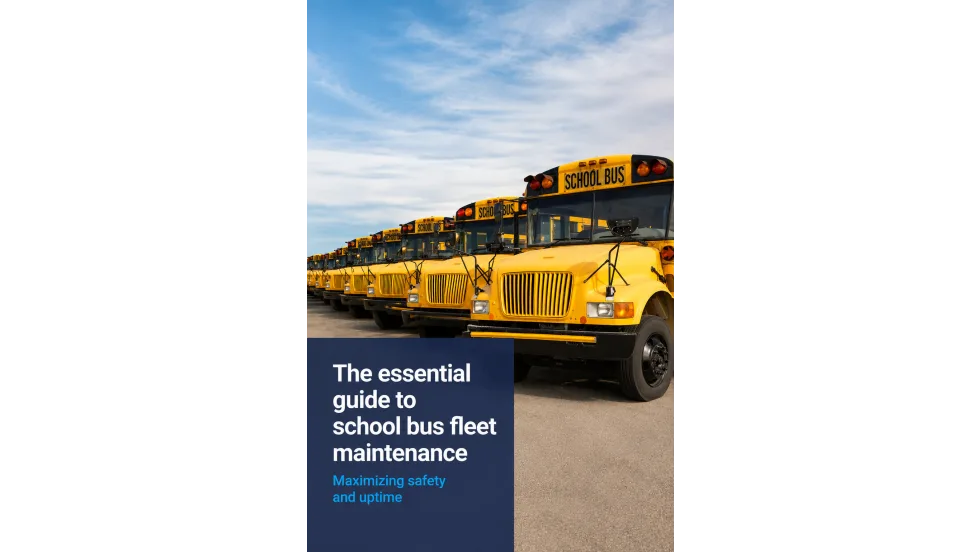
The Essential Guide to School Bus Maintenance and Student Safety
Your district's buses carry students to school every day. This guide shows how predictive maintenance powered by fleet data helps keep buses reliable, drivers accountable and students safer from the first bell to the last stop.
Read More →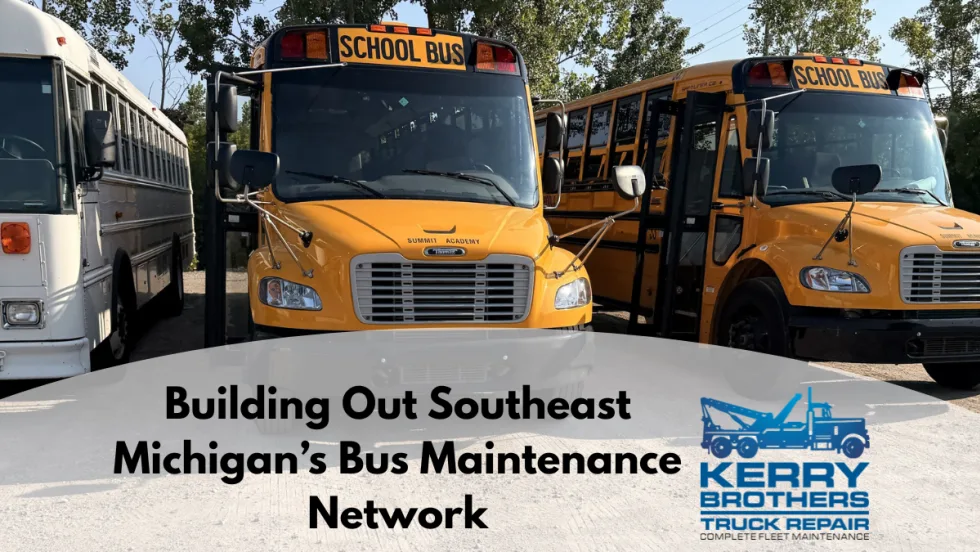
Kerry Brothers Grows Michigan School Bus Repair Network
The acquisition of Downriver Truck and Bus expands Kerry Brothers’ school bus maintenance footprint across southeast Michigan, adding repair capacity, diagnostic resources, and state inspection support.
Read More →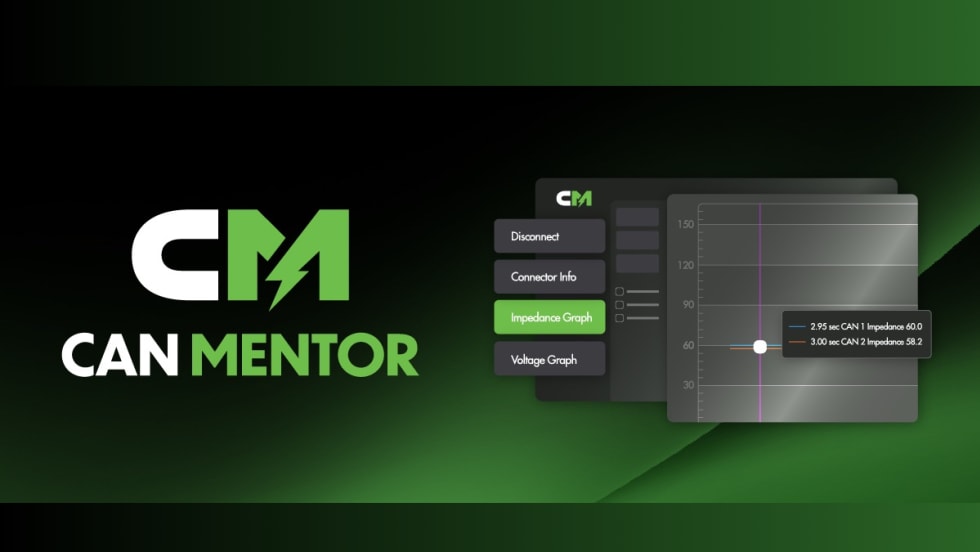
Noregon Introduces CAN Bus Diagnostic Tool, Expands JPRO Features
CAN Mentor and the latest JPRO update aim to simplify vehicle network diagnostics and improve repair efficiency for technicians of all experience levels.
Read More →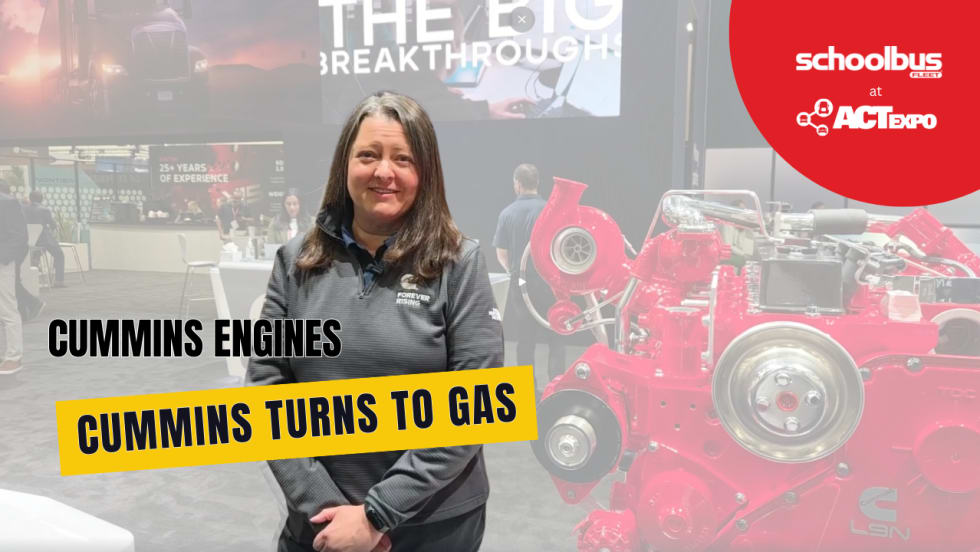
Cummins on Smarter, Simpler Engine Innovation
Cummins discusses its first-ever gasoline engine for school buses, EPA 2027, and why bus fleets still want durable, simpler internal combustion options.
Read More →
Report: 72% of Diesel School Buses Now Use Advanced Low-Emission Engines
New data shows advanced low-emission diesel technology continues expanding across school bus fleets, even as electric bus adoption gains momentum.
Read More →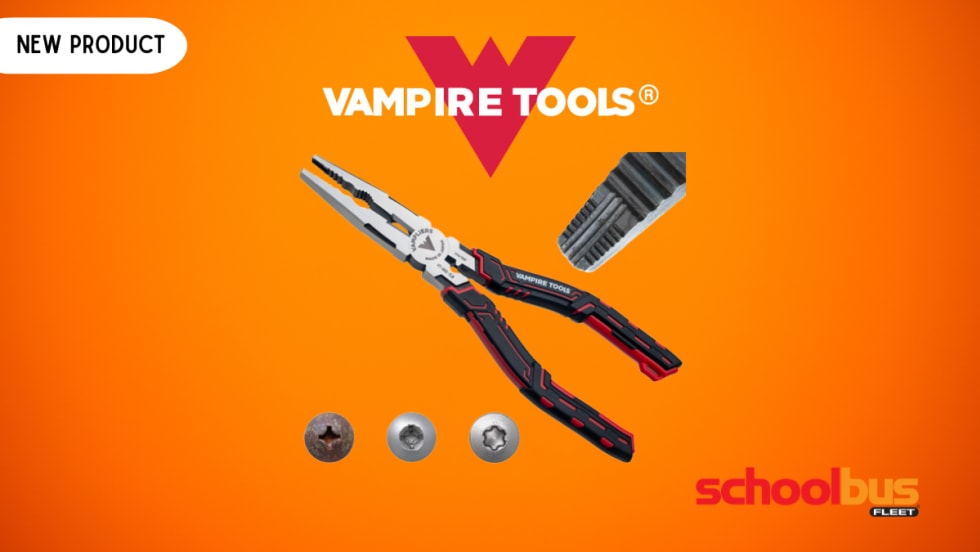
Vampire Tools' CAIMAN 7.5-Inch Multi-Purpose Screw Extractor Long-Nose Pliers with Crimper
Vampire Tools introduced the VAMPLIERS Caiman 7.5-inch multi-purpose pliers, combining screw extraction, cutting, crimping, and gripping functions into a single tool designed for fleet maintenance professionals.
Read More →
How Advanced Diagnostics Helps Bus Fleets Stay Ahead of Repairs
Chat with Noregon’s Kevin Smallhorn at ACT Expo about bus diagnostic tools, telematics integration, CNG maintenance support, and strategies to help reduce downtime and improve uptime.
Read More →
How School Bus Fleets are Getting Ahead of Breakdowns
Don’t let bus downtime wear you down. Here’s how bus operators are shifting from manual processes to AI-powered, data-driven maintenance systems for improved reliability and safety.
Read More →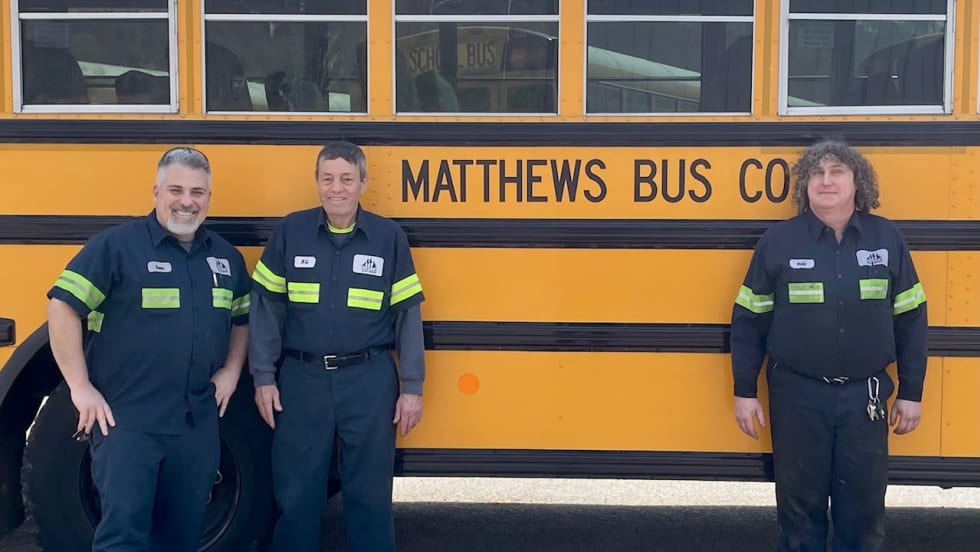
Pennsylvania School Bus Maintenance Team Praised for Dedication to Safety
Matthews Bus Company’s West Jefferson received a letter of commendation from the Pennsylvania State Police for their fleet inspections.
Read More →
From Chaos to Clarity: How School Districts Are Running Leaner Transportation Operations
Covering 38 routes on a Friday afternoon. Buses idling while routes overlap. Parents calling nonstop about late arrivals. Sound familiar? This whitepaper explores how district transportation leaders solved these exact problems — and what measurable results followed.
Read More →