




Cost-effective strategies to stop bullying on the bus
Some schools are using anonymous tip programs to encourage students, teachers, staff and others in their school community to confidentially and anonymously report bullying or other potentially harmful student safety concerns.
The nation watched in shock recently as four middle school boys barraged 68-year-old bus monitor Karen Klein with verbal abuse, jabs about her weight and attacks on her family.
We also watched as Klein remained quiet, taking the abuse and failing to respond to the students. This incident may have gone unnoticed and unreported had not one of the young teenagers posted a 10-minute video of the harassment on YouTube.
As the video went viral and support poured in for Klein, many school districts and parents began asking themselves, could that happen on our buses, in our community, at our school?
There are valuable lessons to be learned from this incident to help prevent future situations from escalating in schools.
Do school administrators have any clue what is happening to students, bus monitors and/or drivers on the way to and from school? Perhaps more importantly, are bus monitors and drivers properly trained with the right information on how to respond if students are abusing or bullying them? Do the bus monitors understand their roles and responsibilities for responding to the bullying or harassment of students? What type of role do the monitors provide toward the safety of the students on the bus?
In the documentary Bully, one of the students featured was tortured and bullied daily on the bus, but due to a lack of awareness and reporting, school administrators and parents were clueless about the situation. How can we ensure these incidents do not continue to go unnoticed?
Schools must connect the dots
These incidents and others clearly reveal drastic disconnects and gaps existing between school administrators and policy and what is happening on buses, in locker rooms, in hallways, at sporting events, online and numerous other locations where bullying and abuse is taking place.
In recent studies, 65% of victims said bullying was not reported by them or others to teachers or school officials. Even when a bullying victim had suffered injury, 40% of the time the students said the bullying was not reported. In fact, studies show 80-90% of incidents are not reported, leaving school leaders in the dark.
There are a number of reasons for this, including students’ fear of retaliation from their bully, embarrassment, they may feel their reports will be ignored or they may feel reporting will only make the situation worse. Many times, students don’t know where or whom to turn to, they don’t trust the administration or law enforcement or may have no real anonymous reporting options.
Campuses must investigate incidents
All schools are required by the Office of Civil Rights to investigate bullying incidents and take immediate action to stop harassment and prevent its recurrence. If the school knows or reasonably should know about student harassment and fails to address its effects and take appropriate action, they are opening themselves up to federal investigations and expensive lawsuits. It is critical for school districts to implement comprehensive policies and procedures for identifying, reporting, investigating and responding to incidents of bullying and harassment.
Several Midwest schools, including Tulsa Public Schools, are taking proactive action to empower their students, personnel, parents and others with the ability to report incidents (anonymously or non-anonymously).
These schools are using anonymous tip programs to encourage students, teachers, staff and others in their school community to confidentially and anonymously report bullying or other potentially harmful student safety concerns. In addition to bullying and cyber-bullying, these tip programs allow for the anonymous reporting of weapons possession, drug/alcohol use, harassment or intimidation, school vandalism, physical assault, threats of violence, suicide risk, abuse and other incidents.
In one recent example of transportation safety, a male high school student completed a report online, stating that after school, as he was getting off of the bus, several males came up to him and verbally threatened harm. The student’s friend suggested he stay on the bus; the bus driver also told him to stay on the bus and that he would drop him at the next bus stop.
The following day, the school arranged a meeting with the vice principal, who followed up with the Tulsa Police Department and Tulsa Public Schools Campus Police Department. Law enforcement was able to apprehend two of the four males and successfully pressed charges for attempted assault/battery.
Tip programs can help
The right anonymous tip program ensures that all incident reports are tracked, documented and addressed in a proactive manner. School administrators can access on-demand reporting to see if/when reports are made, when team members received and acknowledged each report, and what steps were taken to address the report.
Team members collaborate through the platform to share ongoing findings and help connect all the dots needed to ensure a safe and responsive approach. Compliance to policy is seen in real time, through time-stamped log entries, and action notes reported among team members.
Because some platforms automate what was once a labor-intensive and expensive manual process of documentation, schools can be more efficient in their response, more collaborative in interventions and investigations, and more accountable to students and their families. This 21st century approach addresses liability, accountability, management and response.
Katie Johnson handles marketing and client services for Awareity, an incident reporting platform. For more information, visit www.awareity.comorwww.tipsprevent.com.
More Safety

How to Build a Better School Bus Driver Training Program
Is it time to strengthen your driver training? Here’s how to pick the right talent and improve recruitment, retention, and safety. This video is brought to you by IC Bus.
Read More →
Recent School Bus Accidents Leave 2 Dead, 2 Injured
Four school bus crashes in Florida, Illinois, and Georgia highlight risks in transportation lots, at bus stops, and during student loading and unloading.
Read More →
When Every Second Matters, Clarity Keeps Routes Moving
From routine delays to urgent incidents, strong communication practices help drivers, dispatchers, schools, and families respond with confidence.
Read More →

What Happens When a School Bus Catches Fire — and What Can Help
School bus fires are rare but can be devastating. Learn how advances in fire suppression and asset protection help fleets detect fires earlier, reduce damage, and improve safety.
Read More →
Geotab Launches Tool to Help Fleets Investigate Road Incidents
Geotab Investigations combines telematics data, video, documents, and other evidence to help fleets reconstruct incidents, resolve claims, and determine what happened.
Read More →
Texas Sixth Grader Wins 2026 National School Bus Safety Poster Contest
Sai Darshana Yekolu of Moseley Middle School in Prosper, Texas, was named the newest winner for her artwork, bringing the theme of “Safe Rides, Everyday Heroes” to life.
Read More →
Doing More With Less: How Transportation Directors Can Prioritize Safety Amid Budget Uncertainty
With diesel prices soaring and nearly one-third of transportation directors expecting budget cuts, maintaining student safety has never been more challenging. Download this guide to learn how leading districts are prioritizing risk, funding critical safety technology, and building stronger budget cases with data.
Read More →
Walton County Schools Adds Gatekeeper Stop-Arm Enforcement System
The Florida district will deploy Gatekeeper’s updated Student Protector technology, which now incorporates AI to improve video evidence.
Read More →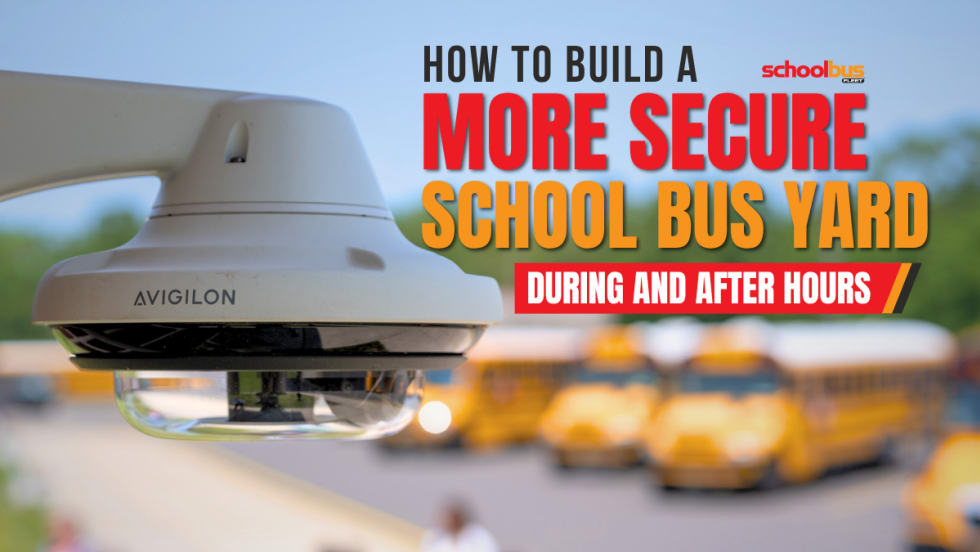
How To Build a More Secure School Bus Yard During and After Hours
As thefts and overnight security threats continue, school transportation leaders are combining stronger operational practices with AI-enabled surveillance to better protect buses, facilities, and staff.
Read More →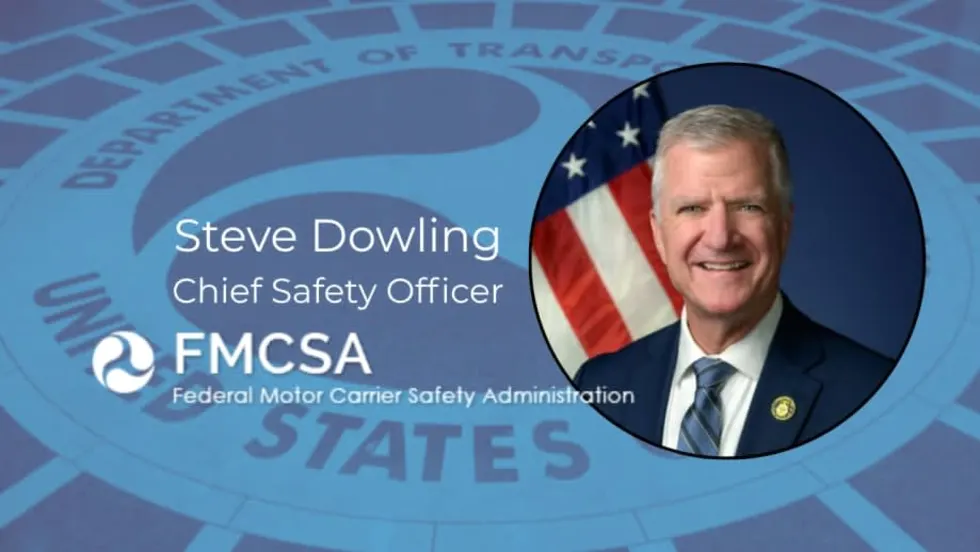
FMCSA Names New Chief Safety Officer: What School Bus Operators Should Know
Steve Dowling is set to lead the federal agency's efforts to advance commercial motor vehicle safety and reduce crashes, fatalities, and injuries on the nation's roadways.
Read More →