





Check Out: The Route: Clean Start Ahead
Collins Bus and Lightning eMotors Expanding Type A Electric Buses
The new agreement opens their Type A school bus electrification partnership to include both GM and Ford chassis platforms.
July 19, 2022
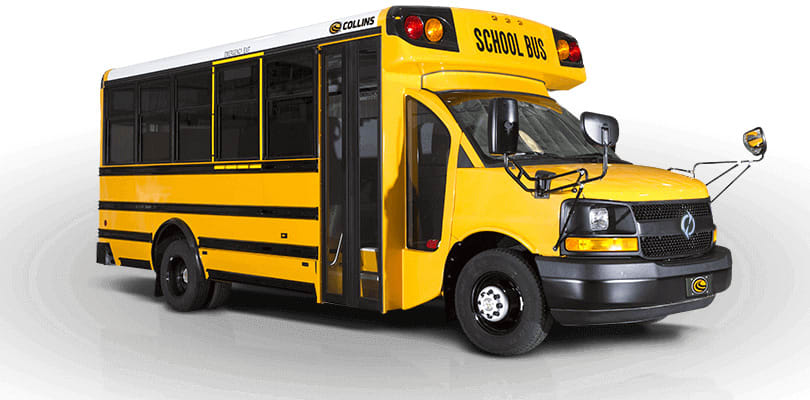
Both chassis versions of the Type A school bus have a range of about 130 miles of range.
Image: Collins Bus
3 min to read
Lightning eMotors, a provider of medium-duty and specialty commercial electric vehicles for fleets, and Collins Bus Corporation, a manufacturer of Type A school buses and a subsidiary of REV Group, Inc., announced the expansion of their zero-emission Type A school bus offering to include both GM and Ford chassis platforms.
Expansion of the Lightning eMotors-Collins Bus strategic partnership, first announced last year, comes just months after the Biden-Harris Administration, through the U.S. Environmental Protection Agency (EPA), announced $5 billion in guaranteed funding for school districts and eligible school bus operators and contractors to begin replacing the nation's fleet of school buses with clean, American-made, zero-emission buses. The funding is expected to play a critical role in accelerating the adoption of all-electric school buses across the country.
"We're excited to expand our existing partnership with Collins to include what is widely considered to be the preferred platform for the Type A school bus, the GM 4500," said Lightning eMotors CEO Tim Reeser. "By providing both GM and Ford class 4 options for Collins Bus, we are now able to mitigate the chassis constraints currently being experienced in the marketplace and accelerate delivery of zero-emission vehicles to the districts that so desperately need them."
In addition to EPA funding and state-level initiatives, the environmental and health benefits of reduced tailpipe emissions and current economic realities could make electric school buses an even more appealing option. At a time when interest rates, fuel prices, and the costs of parts and labor for repairs are at all-time highs, electric buses use no fuel and require less maintenance, thereby reducing total cost of ownership when replacing aging diesel buses or adding to school bus fleets.
"We have been extremely happy with how our customer demos have gone, and how our partnership with Tim and the Lightning team is evolving," said Todd Gibson, director of sales, Collins Bus Corporation. "We look forward to deploying dozens more Lightning-powered zero-emission Collins Type A buses in the coming months and are available to work with school districts and school bus operators nationally to understand and apply for the program."
Both chassis versions of the Type A school bus come with 125 kWh of batteries, approximately 130 miles of range, and both AC level 2 at up to 13.2 kW and DC fast charge at up to 80 kW. Hundreds of Lightning vehicles are on the road today and have accumulated over 2 million real-world, zero-emission miles.
Between government funding, low operating costs, and the potential revenue generation from Low Carbon Fuel Standard credits (in certain states) and bidirectional grid charging during nonuse times, moving to electric school buses may no longer prove a financial burden for school districts but rather an investment that pays off in the near- and long-term.
More Alternative Fuels

CALSTART and Forth Combine to Form Catalyst Mobility
The new name represents a renewed vision for the nonprofit focused on advancing clean, equitable, and affordable transportation solutions that move people and goods.
Read More →
Alt-Fuel Moves: New Buses, Charging Hubs & Real-World EV Testing
Propane and electric school bus deployments continue to grow as districts add new vehicles, expand charging infrastructure, and gather more real-world operating data.
Read More →
Fewer Electric School Bus Models Reshape the U.S. Market
WRI’s latest buyer’s guide points to a consolidating electric school bus market, but fewer options may reflect a maturing industry rather than fewer meaningful choices for school bus operators.
Read More →
The Fuel Budget You Can Actually Predict: How Propane Autogas Keeps Money in the Classroom
Learn how propane autogas helps school districts manage fuel costs with predictable pricing, lower maintenance, and reduced emissions from former transportation director Joel Stutheit.
Read More →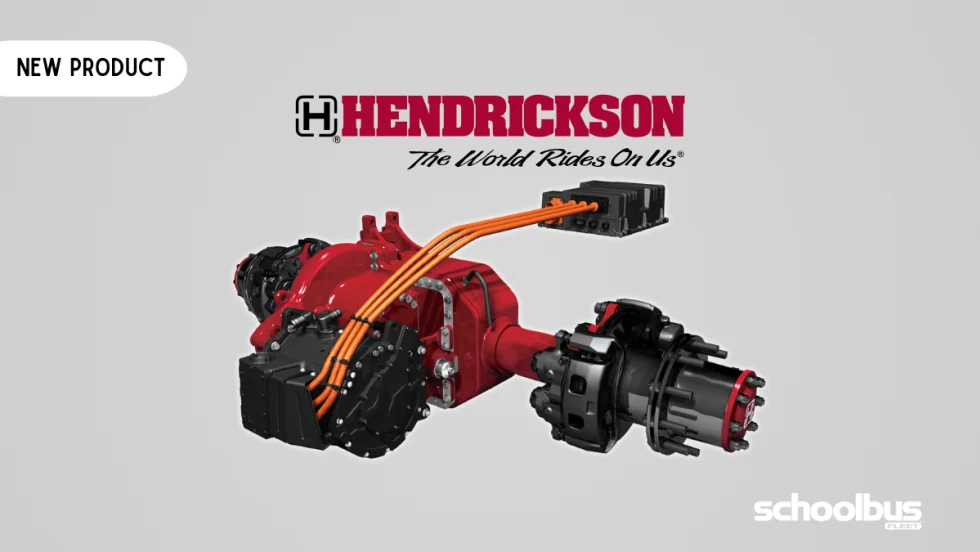
Hendrickson, Driventic Introduce New Electric Powertrain for School Buses
ELECTRAAX, the electrified, lightweight drive axle offers integrated ePowertrain efficiency and modular flexibility for Class 6–7 school bus use.
Read More →
The Mobility House Joins PowerFlex in Fleet Electrification Deal
The acquisition combines intelligent charging software, bidirectional charging expertise, and fleet electrification services to support the growing adoption of electric school buses across North America.
Read More →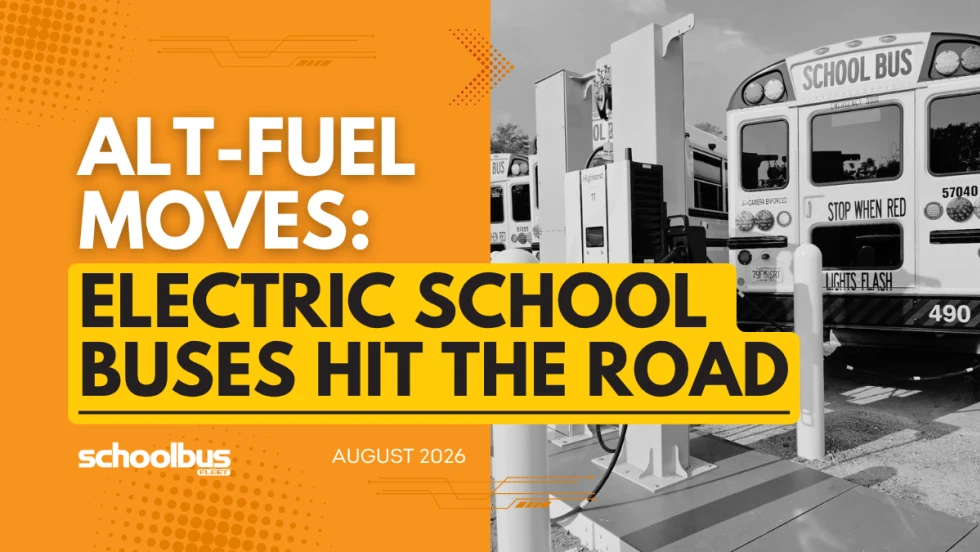
Alt-Fuel Moves: Electric School Bus Investments Hit the Road
See which districts across the U.S. are putting electric school buses into service, expanding charging infrastructure, and planning the next phase of fleet electrification.
Read More →
With Fuel Volatility Ahead, School Districts Turn to Propane
While diesel prices peaked above $5 this spring, districts with propane autogas-powered fleets paid under $2 per gallon, according to PERC.
Read More →
EPA Unveils Proposed Changes to 2027 Heavy-Duty Engine Rules
The federal agency has proposed changes to next year’s targets that would eliminate DEF derates, ease warranty requirements, and retain current NOx emissions standards.
Read More →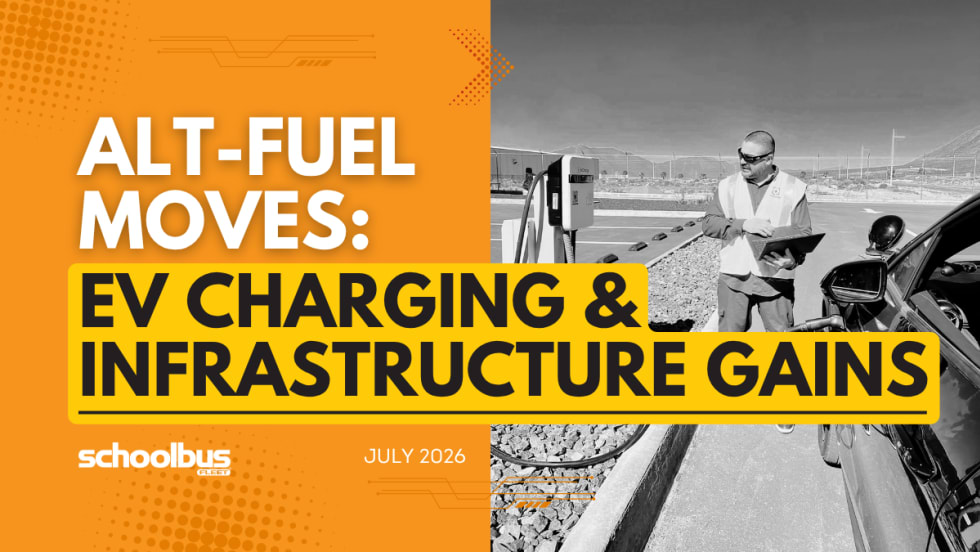
Alt-Fuel Moves: EV Charging & Infrastructure Projects Gain Momentum
The latest developments include new funding, charging infrastructure, utility investments, and fleet technologies designed to support the transition to electric school buses nationwide.
Read More →