




CASTO conference covers safety, efficiency
Sessions during the California Association of School Transportation Officials event address myriad topics, including how pupil transporters’ actions when transporting students with disabilities can affect their operations’ costs and the First Observer school bus security program. Nearly 40 industry suppliers exhibit at the conference’s vendor show.

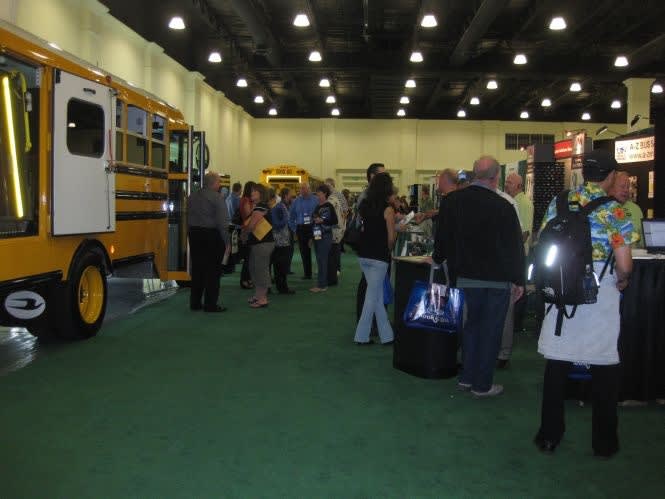
Nearly 40 industry suppliers exhibited at the conference’s vendor show. Outgoing CASTO President Pam McDonald said about 300 people attended this year’s conference and vendor show.
SAN DIEGO — The 43rd Annual California Association of School Transportation Officials (CASTO) Conference held here over the weekend offered attendees sessions on topics to enhance their ability to safely transport students and efficiently run their operations.
On Saturday morning, Alexandra Robinson, M.Ed., CDPT, discussed how pupil transporters’ actions when transporting students with disabilities can affect their operations’ costs. To support her points, she reviewed instances where school districts have spent thousands of dollars on litigating cases related to the transport of special-needs students.
Robinson said that pre-planning when transporting special-needs students will result in cost-effective service. Key factors in this process are communication, consideration, verification and individualization.
Communication with a district’s special-education department will help in getting details about the student’s disability. Factors to consider when transporting students with special needs are the reason for the service, having realistic expectations, past practice (i.e., how was the student served before) and the ability to provide service.
“Angry parents will cost us more. Never tell a parent that you can’t provide a service,” Robinson said, adding that if you don’t have the ability to provide a certain type of service to a student, it’s important to work with parents on finding a solution that will meet the student’s needs.
In the pre-planning stages, operations should also verify, among other things, that they have correct information about the child and his or her disability and that the options for the student’s transportation are realistic.
Finally, in terms of individualization, Robinson said operations need to take into account the student’s IEP and be empathic/sympathetic toward parents when discussing with them their children’s needs.
[IMAGE]353[/IMAGE]
“You should think about the student’s abilities first, not his or her disability. What can she or he do? What is he or she capable of?” she added.
Matt Sanchez, instructor/field coordinator for the California Department of Education’s Office of School Transportation, provided school bus driver instructors with information on how to help new drivers maintain the knowledge, skills and abilities gained during the original training process.
The first step in this process is to understand the driver, so instructors should take note of such things as whether the driver takes criticism well and is accountable for his or her actions.
The second step, Sanchez said, is to motivate the driver to self-evaluate toward constant skill and ability improvement. To achieve this, instructors should be positive, supportive and listen to the drivers, and follow through on their concerns.
Sanchez left attendees with this question: “The driver met the skill level objectives, but if you had more time to spend in training, where would you spend it?” He said that answering this question will tell instructors where they need to focus their time when keeping in touch with drivers.
School bus security was a prominent topic at the conference, with several sessions dedicated to it. Robert Hertan, a Transportation Security Administration certified master trainer, discussed the First Observer program and tips for reporting suspicious activity.
“If you spend a good portion of your workdays on public highways, you should be a First Observer,” Hertan said, adding that he feels dispatchers and school bus technicians should also be First Observers.
He said that if pupil transporters see suspicious activity involving vehicles, they should report the color of the vehicle, the make and model, the tag number, its direction of travel and any unusual features. If they see people engaging in questionable activity, they should report the person’s gender, race, approximate age, height and weight, eye and hair color, clothing and any unusual features, such as tattoos or scars.
“Operations should know their reporting policy. Suspicious activity should be reported to 911 and the First Observer call center,” Hertan said.
Other session topics included how school bus drivers can overcome stress and fatigue, recognizing and preventing bullying on school buses and how to prevent legal issues related to pupil transportation.
On Sunday morning, Mike Martin, executive director of the National Association for Pupil Transportation, gave a keynote address wherein he discussed the commonly used phrase to indicate that someone is passionate about school transportation: “bleed yellow.”
Martin shared his views on what he believes everyone who “bleeds yellow” should have in common. Among the 16 points he outlined were that pupil transportation professionals should not only make known to the public that school buses are the safest way for kids to get to school, but also that there are economic and environmental benefits to transporting students in school buses.
He also believes that school transportation professionals should engage in continuous professional education, and that they should be certified in industry practices and knowledge.
Moreover, he feels that the federal government should appropriate full funding of IDEA and special-education services, including costs related to transportation. "We have to tackle this," Martin said.
The 2012 CASTO Conference is scheduled to be held March 31 to April 2 in Sacramento, Calif.
More Management
The Link Between Emotional Intelligence and School Bus Safety
How can emotional intelligence help transportation pros navigate stress, manage change, and build stronger relationships? Listen to find out.
Read More →
What Emotional Intelligence Has to Do With School Bus Safety
In this video, discover how emotional intelligence can help transportation leaders and drivers navigate stress, manage change, and build stronger relationships. The Route is sponsored by IC Bus.
Read More →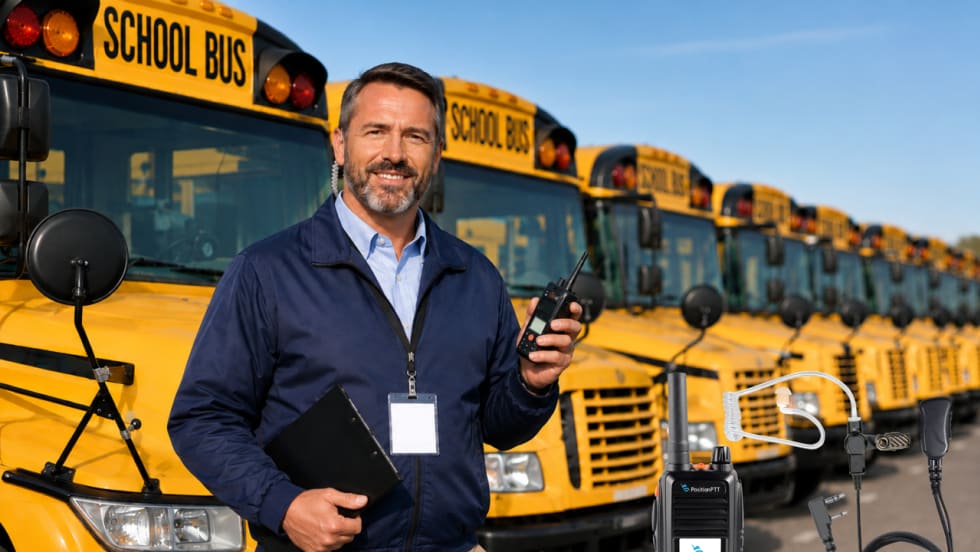
Beyond Two-Way Radios: School Bus Communications Evolve With Push-to-Talk Over Cellular
PRYME Radio and PositionPTT join forces to advance hands-free radio use and reduce distracted driving. See how PoC compares with traditional radios on range, cost, safety, and connectivity.
Read More →
Have School Districts Adapted to Bus Driver Shortages or Simply Accepted Less Service?
According to a recent report from HopSkipDrive, many districts appear to have recalibrated what "normal" transportation service looks like.
Read More →
Reliable Transportation Linked to Better Student Outcomes, New EverDriven Study Finds
See why new research suggests transportation consistency improves student outcomes while influencing attendance, funding, IEP compliance, and family trust.
Read More →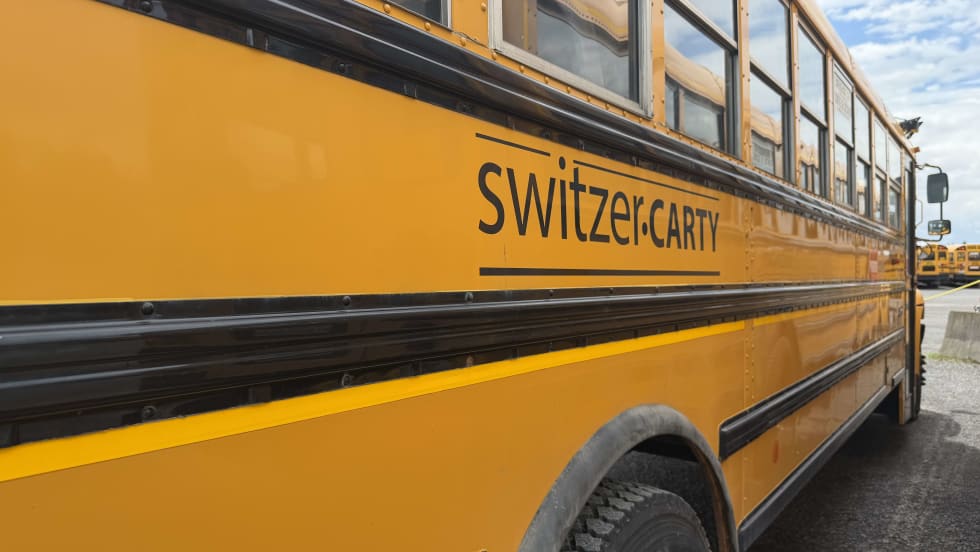
Switzer-CARTY Enters the U.S. with New Acquisition
The Canadian contractor’s acquisition of Minnesota-based Agnes Corporation marks its first cross-border expansion into the United States and adds 350 vehicles.
Read More →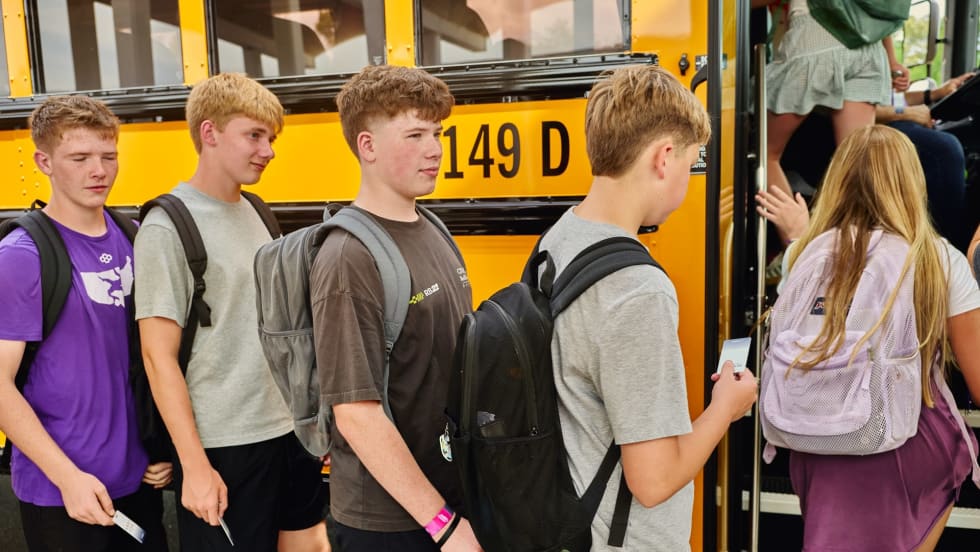
BusRight Adds New Rider Tracking Technology
Safety Pass is an NFC-based student ridership tracking solution that provides real-time boarding and drop-off data to improve school bus safety and family communication.
Read More →
EverDriven Launches RideAware App With Real-Time Student Ride Visibility
The updated platform’s new features improve communication among caregivers, districts, and drivers while streamlining trip updates.
Read More →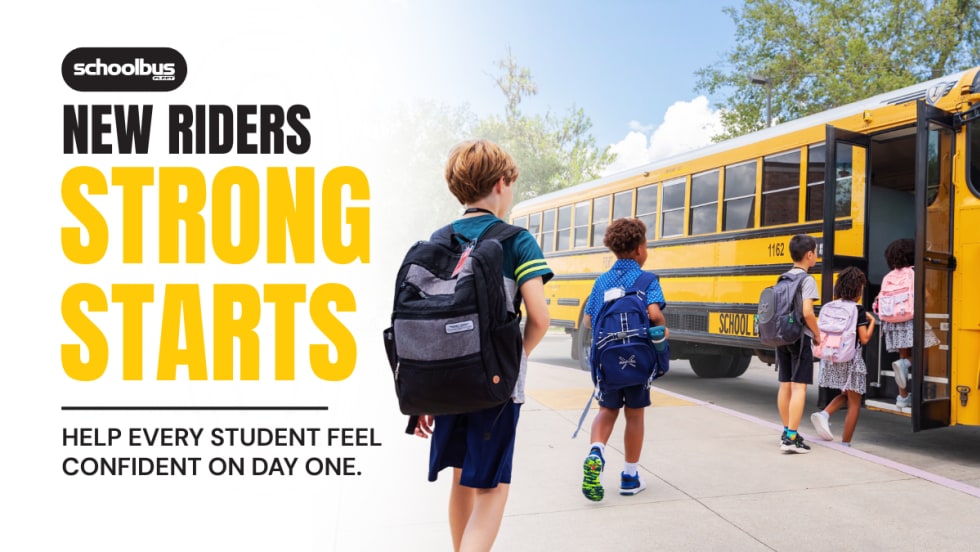
How School Transportation Departments Can Help Acclimate New Riders to the Bus
Here's how transportation departments can turn first-day jitters into confidence for students and parents alike.
Read More →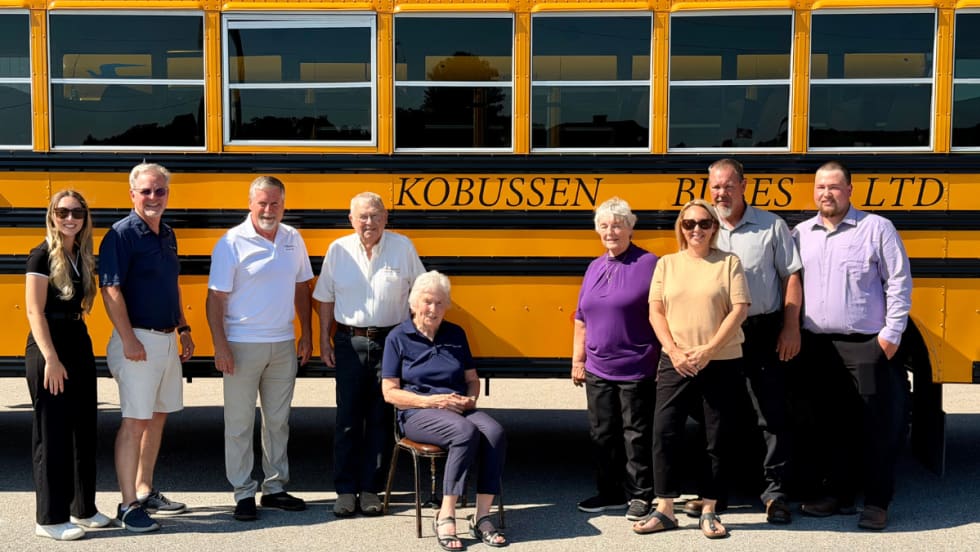
Neighbors Helping Neighbors: Nearly 90 Years of Safely Transporting Wisconsin Students
From one farmer's act of service to a fourth-generation family business, Kobussen Buses reflects on nearly 90 years of earning the trust of Wisconsin families.
Read More →