




Case study: District sees propane school bus benefits, adds 38 to fleet
After testing three propane-powered buses, Independent School District 15 in Minnesota ordered the Thomas Built Saf-T-Liner C2 school buses for the 2015-16 school year.

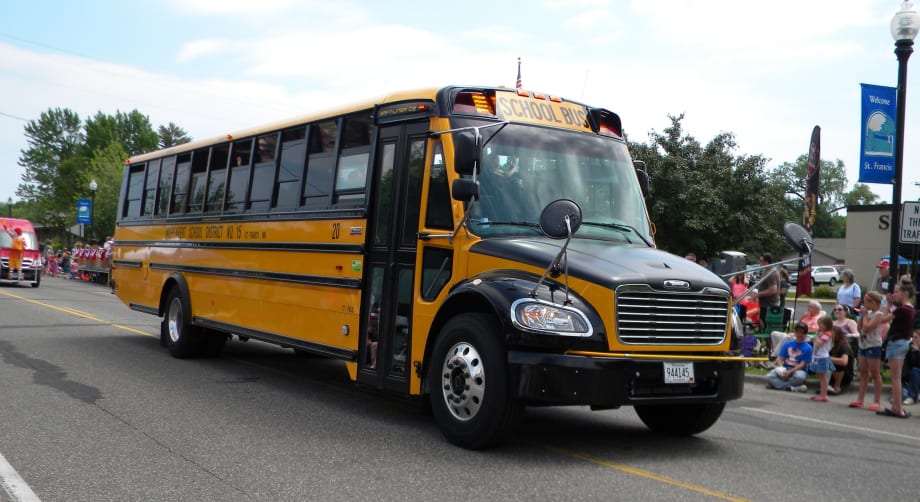
Independent School District 15 ordered 38 propane-powered Thomas Built Saf-T-Liner C2 school buses after seeing several benefits in testing three of the buses. One of the new buses, shown here, was featured in the St. Francis, Minnesota, Pioneer Days parade in June.
ST. FRANCIS, Minn. — Independent School District 15 (ISD 15) has added 38 propane school buses to its fleet after seeing benefits in fueling, cost, maintenance and comfort from testing three of the buses, according to a case study by the Propane Education & Research Council (PERC).
After testing three propane autogas-powered buses, ISD 15 ordered the Thomas Built Saf-T-Liner C2 school buses equipped with an 8.0L engine by Powertrain Integration and propane fuel system by CleanFuel USA. During the 2015-16 school year, 41 of the district’s 51 buses will be powered by propane autogas.
“Propane autogas provided countless benefits and at almost no cost,” said Dean Krause, ISD 15 transportation program supervisor. “The propane buses were more efficient, easier to start, warmer in the winter, easier to maintain, and cleaner for the environment than diesel-fueled buses.”
ISD 15 reports signing a fuel contract with its propane provider to lock in a set price per gallon, ensuring it will pay a consistent price year-round.
“We’ve calculated that were going to save about $200,000 in fuel costs alone this year,” said Krause. “Add those cost savings to the savings we’ll see in maintenance, parts, downtime, and labor, and we’ll likely see an ROI by the end of this school year.”
ISD 15 has also noticed substantial cost savings with propane on routine maintenance such as oil changes and fuel filters. The district reported using about 28 quarts of oil per oil change in the diesel buses versus only 10 quarts of oil in its propane-powered buses. Additionally, diesel engines require two fuel filters, while propane autogas engines require only one, according to PERC.
“Our old diesel buses were really starting to weigh us down with maintenance, repairs, and parts expenses,” Krause said. “These maintenance costs may seem like small expenses, but they really add up over the life of the vehicle.”
Due to Minnesota’s colder climate, propane autogas’ performance in cold weather was a key selling point for ISD 15. During the winter months, the district’s diesel buses needed to be plugged into electric block heaters every night to ensure they would start the next morning.
“Our electric bill for heating the diesel buses each year was around $10,000,” Krause said. “That’s a huge cost that some fleets don’t take into account. With propane autogas, we don’t need block heaters. Propane autogas-powered buses have no problems starting in the colder temperatures — they start right up in 30 below, every day, no questions asked.”
Propane-powered buses also provide a more comfortable ride for the students, according to Krause.
“The propane autogas buses keep [students and drivers] warmer. During Minnesota’s colder days, the inside of diesel buses might not get warm at all,” said Krause. “No matter how much we try to encourage kids to wear their coats in the winter, many students still won’t. But at least with propane autogas they can step onto a warm bus.”
Additionally, delivering a positive experience for the drivers has been an equally important goal for ISD 15, according to the case study.
“I was a bit apprehensive of propane at first, but the propane bus is comfortable to drive and it’s so quiet,” bus driver Carol Patchen said. “It starts up quickly and warms up even quicker. And refueling with propane autogas is safe and easy. There are no complaints from the students other than ‘Could you turn the heat down, please?’”
More Alternative Fuels

CALSTART and Forth Combine to Form Catalyst Mobility
The new name represents a renewed vision for the nonprofit focused on advancing clean, equitable, and affordable transportation solutions that move people and goods.
Read More →
Alt-Fuel Moves: New Buses, Charging Hubs & Real-World EV Testing
Propane and electric school bus deployments continue to grow as districts add new vehicles, expand charging infrastructure, and gather more real-world operating data.
Read More →
Fewer Electric School Bus Models Reshape the U.S. Market
WRI’s latest buyer’s guide points to a consolidating electric school bus market, but fewer options may reflect a maturing industry rather than fewer meaningful choices for school bus operators.
Read More →
The Fuel Budget You Can Actually Predict: How Propane Autogas Keeps Money in the Classroom
Learn how propane autogas helps school districts manage fuel costs with predictable pricing, lower maintenance, and reduced emissions from former transportation director Joel Stutheit.
Read More →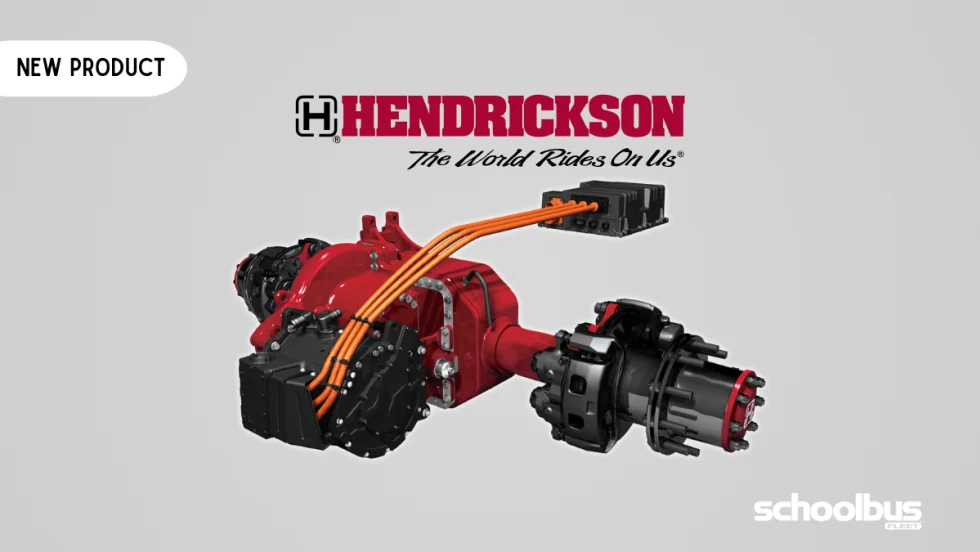
Hendrickson, Driventic Introduce New Electric Powertrain for School Buses
ELECTRAAX, the electrified, lightweight drive axle offers integrated ePowertrain efficiency and modular flexibility for Class 6–7 school bus use.
Read More →
The Mobility House Joins PowerFlex in Fleet Electrification Deal
The acquisition combines intelligent charging software, bidirectional charging expertise, and fleet electrification services to support the growing adoption of electric school buses across North America.
Read More →
Alt-Fuel Moves: Electric School Bus Investments Hit the Road
See which districts across the U.S. are putting electric school buses into service, expanding charging infrastructure, and planning the next phase of fleet electrification.
Read More →
With Fuel Volatility Ahead, School Districts Turn to Propane
While diesel prices peaked above $5 this spring, districts with propane autogas-powered fleets paid under $2 per gallon, according to PERC.
Read More →
EPA Unveils Proposed Changes to 2027 Heavy-Duty Engine Rules
The federal agency has proposed changes to next year’s targets that would eliminate DEF derates, ease warranty requirements, and retain current NOx emissions standards.
Read More →
Alt-Fuel Moves: EV Charging & Infrastructure Projects Gain Momentum
The latest developments include new funding, charging infrastructure, utility investments, and fleet technologies designed to support the transition to electric school buses nationwide.
Read More →