




Blue Bird Unveils New Paint Facility for School Buses
The school bus manufacturer’s new 60,000-square-foot facility will provide paint coverage, minimize waste, and enhance efficiencies within Blue Bird’s production line.

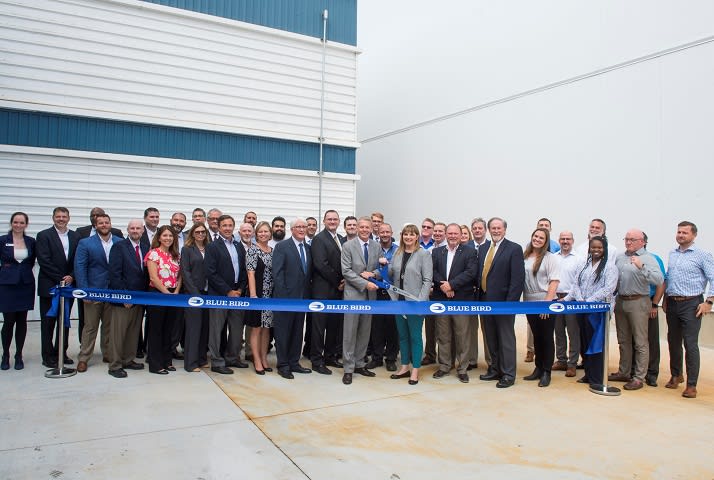
The school bus manufacturer's new paint facility will provide paint coverage, minimize waste, and enhance efficiencies within Blue Bird's production line. Shown here is Phil Horlock, president and CEO of Blue Bird, along with some of the company's employees at the unveiling ceremony.
The school bus manufacturer's new paint facility will provide paint coverage, minimize waste, and enhance efficiencies within Blue Bird's production line. Shown here is Phil Horlock, president and CEO of Blue Bird, along with some of the company's employees at the unveiling ceremony.
FORT VALLEY, Ga. — Blue Bird revealed its new paint facility for school buses during a ribbon-cutting ceremony here on Tuesday.
The new facility will provide paint coverage, minimize waste, and enhance efficiencies within Blue Bird’s production line, according to a news release from the school bus manufacturer.
“Our new facility is an illustration of Blue Bird’s commitment to value and efficiency,” said Phil Horlock, president and CEO of Blue Bird. “We are excited to see the positive impact this investment will have for our customers, and the specialized jobs it will bring to the community.”
Blue Bird made a significant investment to build and operate the 60,000-square-foot facility, which uses the latest in robotic technology, according to the manufacturer. The bus bodies will roll into the paint facility on a conveyor, meeting a series of robotic arms that will then spray each bus per engineering specifications. The bus bodies then go through two ovens to set the paint as well as multiple inspection bays before being mounted to a chassis.
In addition, the paint facility's environment is designed to block out debris. Workers in the facility must be clothed in a full paint suit and enter through a special corridor that contains a series of air nozzles and a sticky floor, ensuring all dust and dirt is blown away before entering, according to Blue Bird.
The facility also features a zero-waste-to-landfill design, in which all paint overspray will be captured, dried, and sent to a power generation plant to be used as fuel.
Blue Bird announced that buses have already started going through the paint process at the new facility, and that it will be fully operational by late 2019.
More Management

Changing Lanes: BusWhere, EverDriven, InterMotive, Summit School Services, Switzer-Carty & Thomas Built Buses
Check out who's been hired, promoted, and appointed to leadership positions at various school transportation suppliers, contractors, and manufacturers.
Read More →
The Most Expensive Thing You Do Before Selling a School Bus: Wait
When should you sell an aging school bus? Learn how maintenance, mileage, corrosion, specifications, and timing can affect resale value long before the auction.
Read More →
American Student Transportation Partners Acquires AJ Myers and Sons
A new deal brings a 75-year Pennsylvania student transportation provider into one of the nation’s largest private school bus contracting groups.
Read More →

What I Brought Home From SBFX: Relationships, Leadership, and Preparing What's Next
Who could lead your transportation operation tomorrow if you couldn't? Bernando Brown explores succession planning, mentorship, and preparing emerging leaders to step up.
Read More →
Inside School Bus Fleet ConneX 2026: Industry Leaders Connect in Scottsdale [Photos]
See highlights from SBFX 2026 in Arizona, where school bus operators and suppliers gathered for meetings, education, networking, awards, and more.
Read More →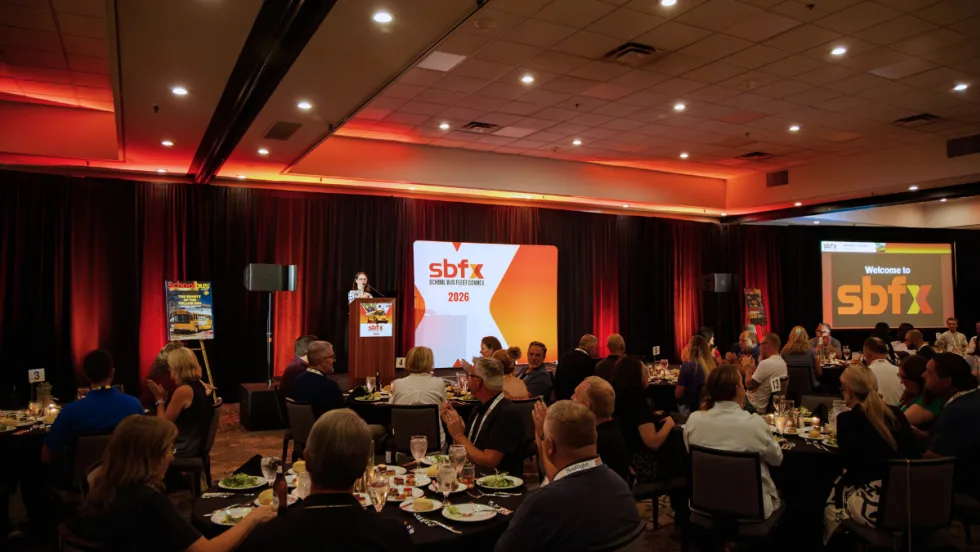
School Transportation’s Biggest Pressures and Opportunities: SBFX Attendees Weigh In
School bus operators point to rising costs, staffing, and vehicle prices as immediate pressures while identifying technology, training, and routing as opportunities for growth.
Read More →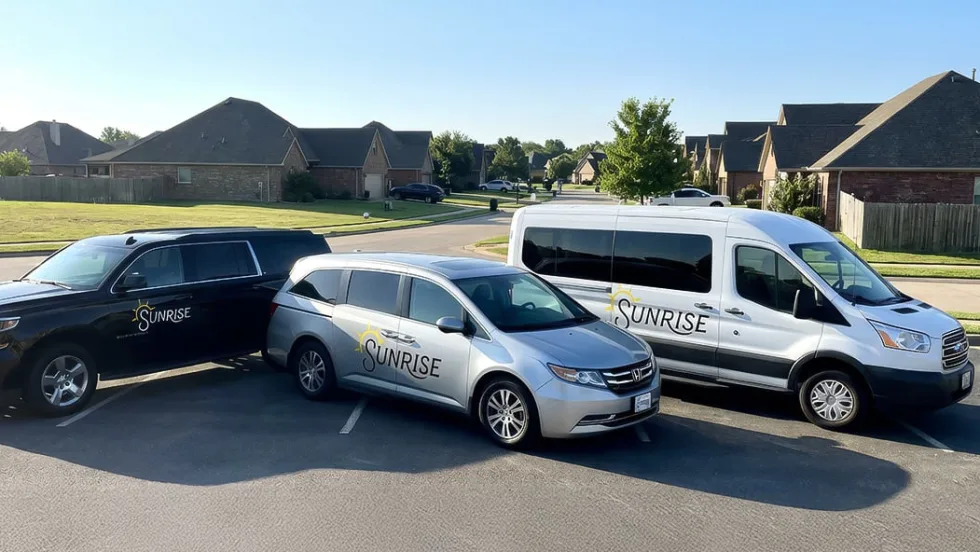
STA Acquires Sunrise Transportation
Student Transportation of America expands in Illinois and Connecticut through Sunrise's fleet of nearly 1,000 vehicles.
Read More →
EPA Opens $180M DERA Funding Round for Diesel Upgrades
The 2026 Diesel Emissions Reduction Act program seeks applications from eligible organizations to accelerate the retirement of legacy diesel vehicles.
Read More →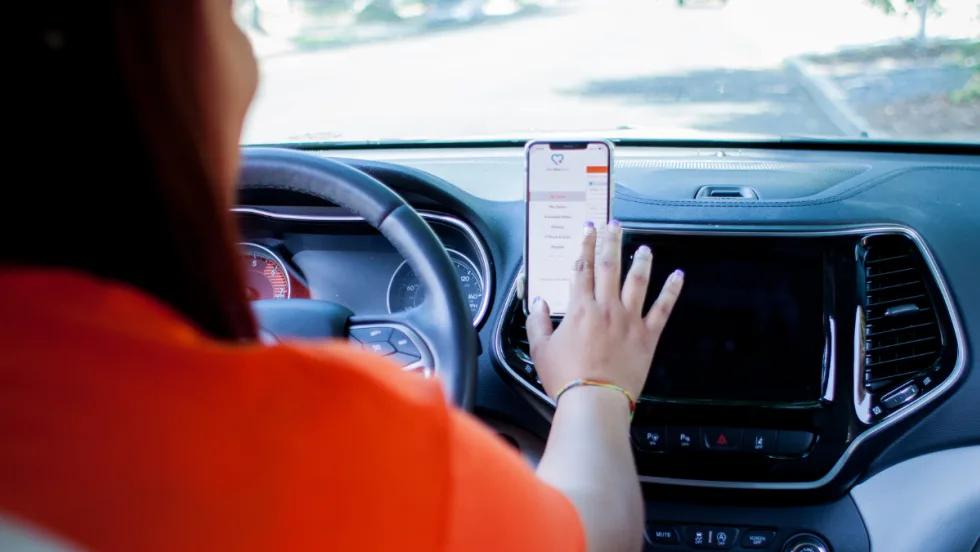
HopSkipDrive’s CareEngine Targets the ‘Exceptions’ in Student Transportation
The new platform works alongside districts’ existing transportation management systems to coordinate specialized rides, automate last-minute changes, and turn ride data into operational improvements.
Read More →
The Right Ride for Every Student: Navigating the New Student Transportation Ecosystem
How should districts blend school buses with small-vehicle transportation and other options? EverDriven CEO Mitch Bowling discusses safety, costs, partnerships, and strategy.
Read More →