



Bill Would Require Real-Time School Bus Driver Violation Alerts
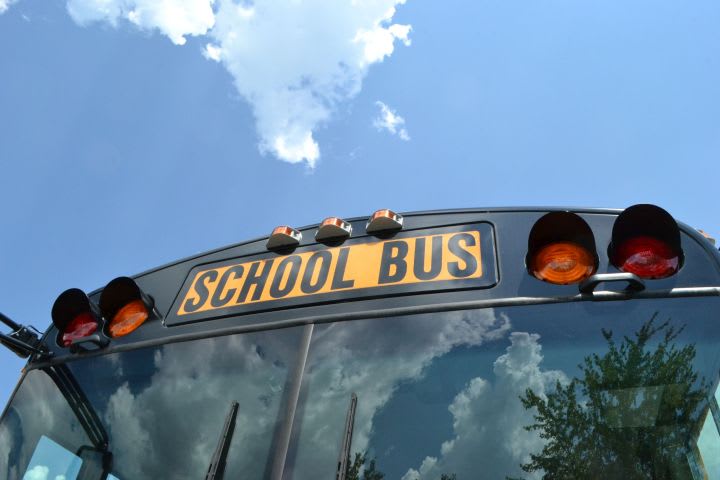
“Miranda’s Law,” a proposed federal bill, would require automatic notifications of driver violations to school districts and school bus companies within 24 hours.

“Miranda’s Law,” a proposed federal bill, would require automatic notifications of driver violations to school districts and school bus companies within 24 hours.

WASHINGTON, D.C. — A bill introduced in Congress on Friday aims to provide quicker notifications of violations committed by school bus drivers, in response to a crash in New Jersey in May that killed a student and a teacher.
U.S. Rep. Josh Gottheimer (D-N.J.) announced a federal bipartisan bill that would require automatic notifications of driver violations to school districts and school bus companies within 24 hours, so they can take immediate action to keep unsafe drivers off the road, according to a news release from Gottheimer’s office.
The Miranda Vargas School Bus Driver Red Flag Act, or “Miranda’s Law,” is intended to bolster the proposed SECURES Act, which seeks to make lap-shoulder seat belts the nationwide standard for school buses.
Gottheimer shared the details of the Miranda's Law bill during a press conference in River Edge, New Jersey. Joevanny Vargas, the father of Miranda Vargas, the student killed in the crash in May, also spoke, CBS New York reports.
Additionally, the New Jersey Assembly and Senate recently passed legislation that would require lap-and-shoulder belts in all school buses instead of the current lap-only belt requirement. That state bill is currently awaiting Gov. Phil Murphy's signature.
The Miranda's Law congressional bill, co-sponsored by U.S. Rep. John Faso (R-N.Y.), would implement best practices for recognizing and reporting red flags in real time if a school bus driver operates a motor vehicle unsafely.
The bill requires the U.S. Department of Transportation’s (DOT’s) Federal Motor Carrier Safety Administration to implement a nationwide employer notification service (ENS) for buses. Current federal regulations require employers of school bus drivers to check their employees’ driving history records annually. An ENS would give employers real-time, automatic notifications when a bus driver’s license status changes because of a moving violation conviction, crash, license suspension, or other triggering event.
Although some states have self-reporting requirement for drivers, Gottheimer said during the press conference that many drivers don’t comply, and it could be 364 days before the school district or school bus company finds out about any violations.
Miranda’s Law builds off a DOT pilot program to implement a nationwide employer notification service, with each state required to use the service, according to Gottheimer’s office. Following a feasibility study demonstrating that ENS would pay for itself in less than a year, the DOT ran a pilot program in Colorado and Minnesota. According to a report on the program, it demonstrated that “a nationwide employer notification service was needed and could have significant safety and monetary benefits for motor carriers.”
The bill would make the employer notification service mandatory for all school bus drivers in the U.S. Once ENS is implemented, the bill would require any employer of school bus drivers to participate in the service.
Miranda’s Law would also require states to use the ENS to qualify for federal aid highway funds.
As SBF previously reported, the SECURES Act and Miranda’s Law follow the May 17 school bus crash in Mount Olive, New Jersey, that killed 10-year-old Miranda Vargas and teacher Jennifer Williamson-Kennedy. The bus in that crash was equipped with lap-only belts in accordance with current New Jersey law. The bus driver, Hudy Muldrow Sr., was charged with two counts of reckless vehicular homicide/death by auto. State officials said that between 1975 and 2017, Muldrow’s license was suspended 14 times, he was issued 16 driving violations for speeding, and he was also cited for an improper lane change in 2010.
The bills are also a response to the National Transportation Safety Board's findings regarding a lack of driver oversight contributing to fatal school bus crashes in Maryland and Tennessee.
Seventeen states currently have a voluntary form of the ENS in place, according to the news release from Gottheimer’s office.
More Safety
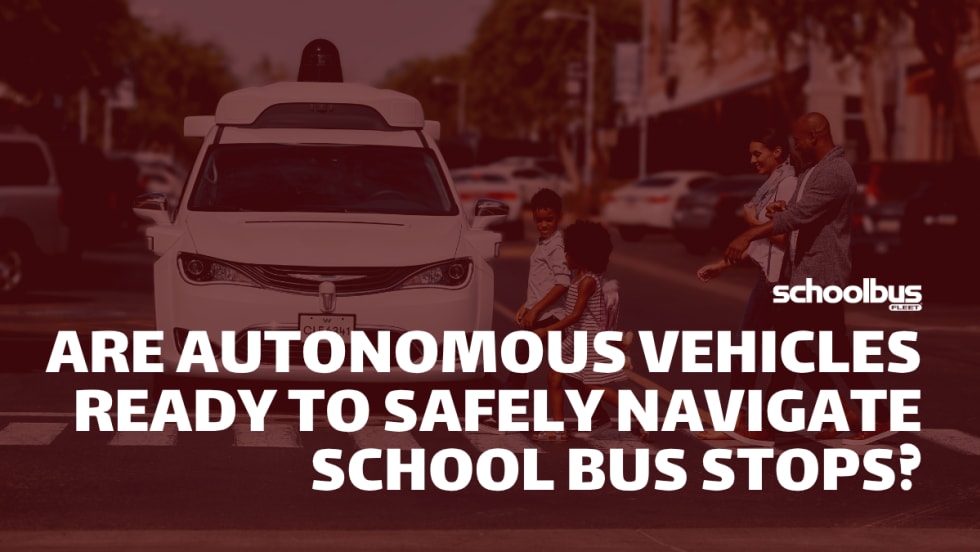
Are Autonomous Vehicles Ready to Safely Navigate School Bus Stops?
NHTSA is accelerating autonomous vehicle deployment through new safety standards and commercial approvals. See why school transportation leaders are watching.
Read More →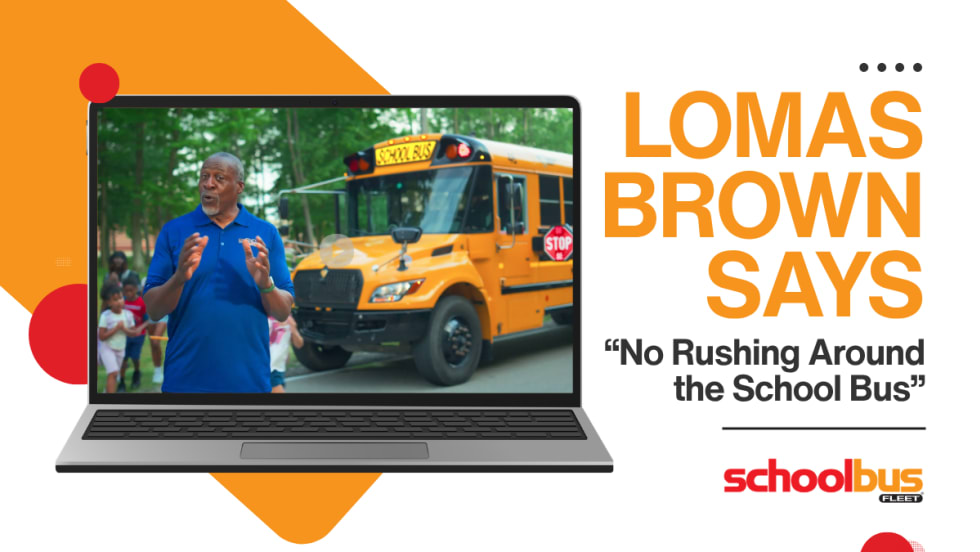
NFL Star Lomas Brown Kicks Off New Illegal School Bus Passing PSA
Just in time for the back-to-school season, the former Detroit Lions offensive tackle took time to record a video encouraging motorists to slow down around school buses.
Read More →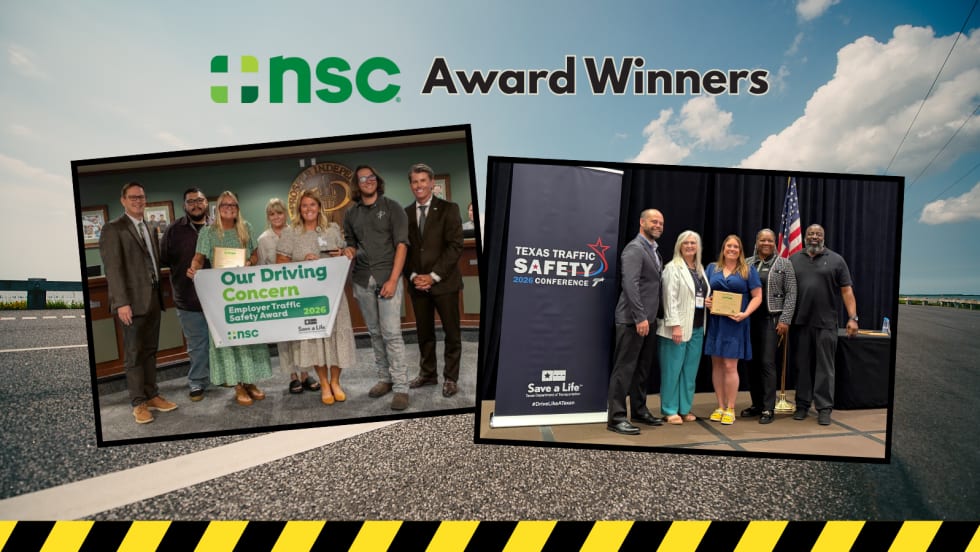
How Two Texas Districts Built Award-Winning Safety Programs
Learn how Prosper ISD and Rockwall ISD earned National Safety Council honors through hands-on training, safety culture, and strategies that reduced transportation incidents.
Read More →
NHTSA Releases 10-Year Review of Fatal School Bus Crashes
The latest federal analysis reinforces the safety of school buses while identifying where school-age pedestrians and other motorists remain most at risk.
Read More →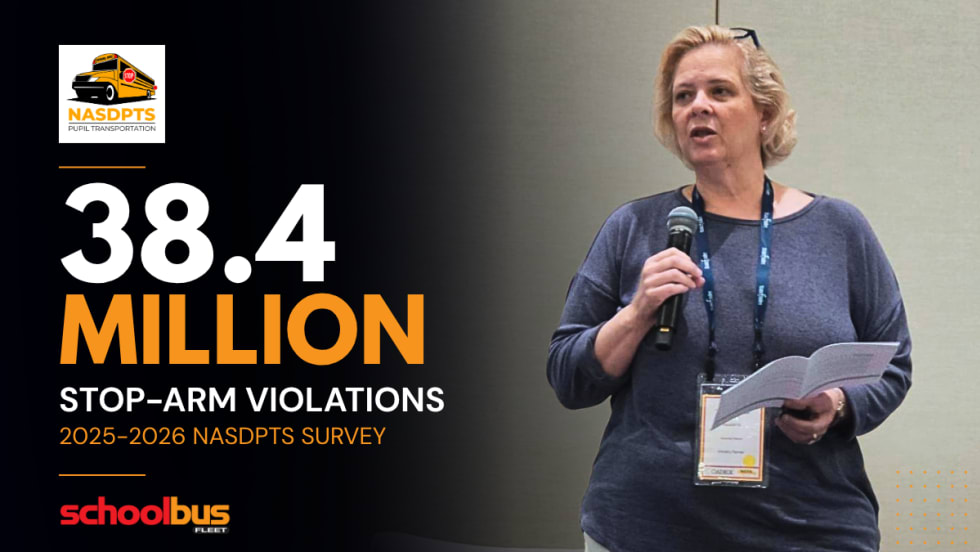
2026 NASDPTS Survey: Data Shows Further Reduction of Illegal Passing
New data is in! School bus stop-arm passings are down to 38.4 million violations per year, about a 2.3% decrease from last school year — but passings on the right side of the bus are higher than ever.
Read More →
Another School Bus Fatality Reported in Monsey, New York
A 7-year-old girl died after being struck by a school bus in Rockland County, New York while crossing the street. Here's what we know.
Read More →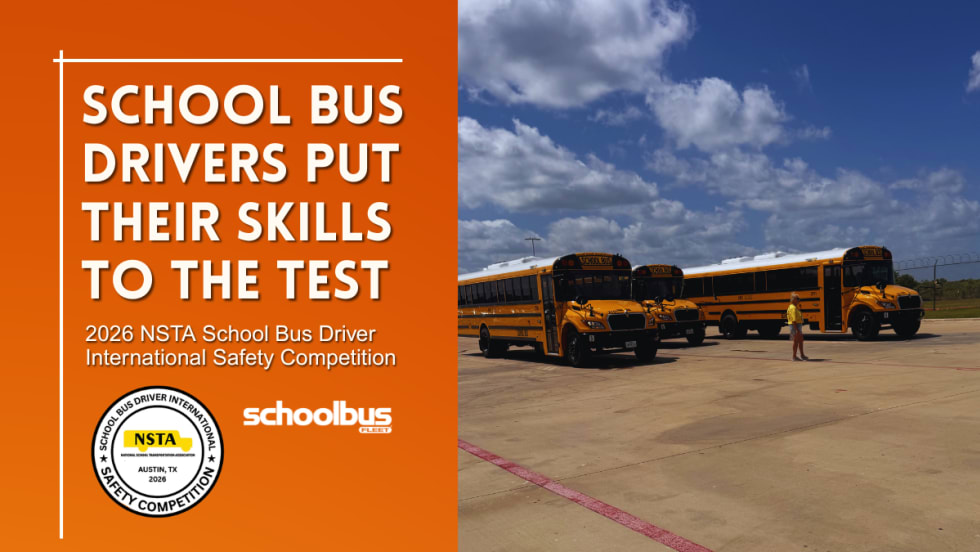
NSTA Announces 2026 School Bus Driver International Safety Competition Winners
Drivers from across the U.S. and Canada showcased their safety and driving skills, with two defending champions successfully retaining their titles.
Read More →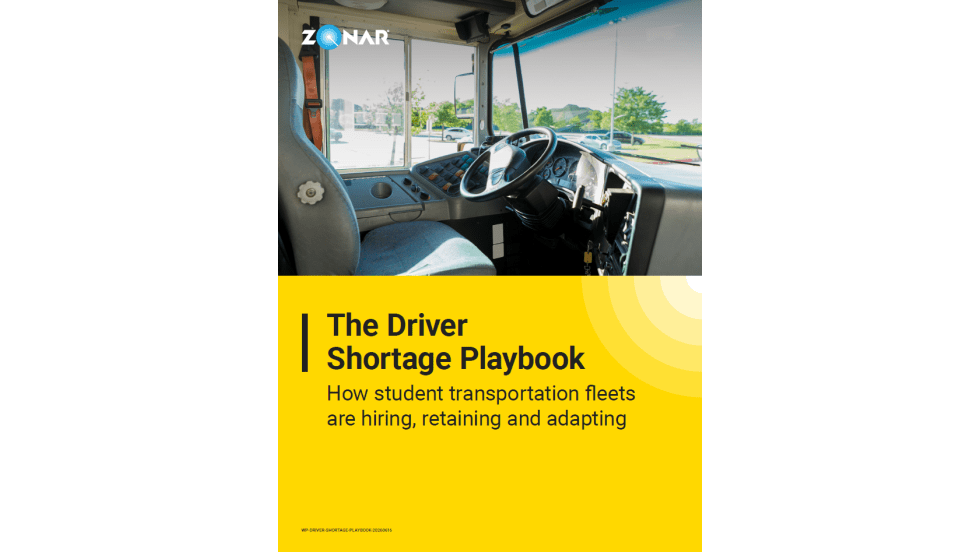
The Driver Shortage Playbook
Driver shortages are still a major challenge for student transportation fleets, but the real issue has shifted. It’s no longer just about filling seats quickly. It’s about finding safe, reliable drivers who meet performance expectations and want to stay. The Driver Shortage Playbook covers why traditional recruitment tactics are falling short and how school fleets are adapting with smarter hiring, stronger retention strategies and a greater focus on driver quality.
Read More →
Pro-Vision Launches AI-Powered 360° Camera System
The new Birdseye camera delivers real-time AI-based pedestrian and vehicle detections, full visibility around the bus, and telematics integrations.
Read More →
N.Y. & N.J. Coalitions Call for Modernized Transportation for Vulnerable Students
New statewide coalitions in New York and New Jersey are urging lawmakers to expand student transportation options for vulnerable students amid ongoing driver shortages.
Read More →