




From the archives: Q&A: NASDPTS' Mike Simmons strives for team efforts
Arkansas State Director Mike Simmons to Take On ‘New Adventure’
Simmons will step down after more than 16 years as the state’s pupil transportation director, a role in which he worked to bolster school bus inspections and driver training.

Thomas McMahon・Executive Editor
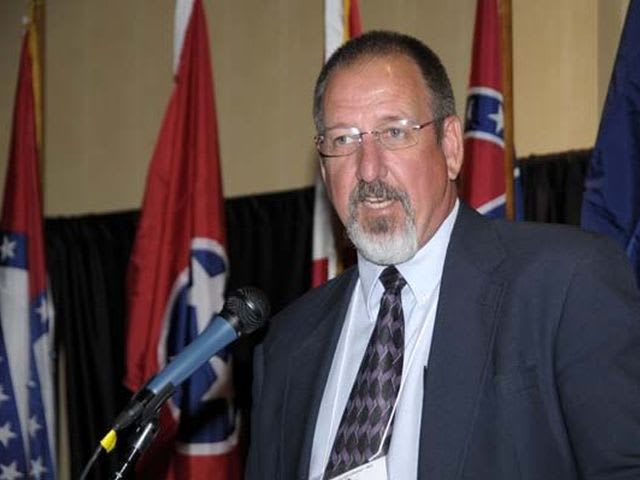
Mike Simmons will step down after more than 16 years as Arkansas' state pupil transportation director, a role in which he worked to bolster school bus inspections and driver training.
3 min to read
Mike Simmons will step down after more than 16 years as Arkansas' state pupil transportation director, a role in which he worked to bolster school bus inspections and driver training.
LITTLE ROCK, Ark. — After more than 16 years as the state pupil transportation director in Arkansas, Mike Simmons is moving on to a new role in a new field.
Simmons said that he will retire as state director on Dec. 31 to pursue an opportunity with Arkansas' wildlife conservation agency. He has helmed the state’s pupil transportation program since 2000.
In the state director position, which is within the Arkansas Division of Public School Academic Facilities and Transportation, Simmons worked to bolster safety by building a state school bus inspection program and enhancing driver training. He modeled the inspection program on Alabama's successful system, and he gained approval from Arkansas’ state superintendent and Legislature to hire inspectors and "bring some accountability."
“When I came on board, school districts were self-inspecting their buses,” Simmons said. “I am proud of building that up and really helping to improve the physical safety of the school buses of the state.”
Simmons’ career in school transportation also included two years as president of the National Association of State Directors of Pupil Transportation Services (NASDPTS). During his term, from 2010 to 2012, NASDPTS launched the first national survey of stop-arm violations, finding that more than 76,000 vehicles illegally passed school buses in a one-day snapshot.
The national count has continued to be conducted annually, helping to document how pervasive stop-arm running is across the country.
“The numbers are there, and it shows that we do have an issue,” Simmons said.
Data from the survey have been used in efforts to increase public awareness of the problem and to push for stronger enforcement measures, including the use of stop-arm cameras in some states. In Arkansas specifically, Simmons said that the survey results resonated when he presented them to the state PTA, which began helping to raise awareness about the dangers of stop-arm running.
“They’re doing public awareness campaigns around the state,” Simmons said of the PTA. “They really jumped on it.”
Also during his NASDPTS presidency, Simmons made efforts to build the association’s relationships with the other national industry groups — the National Association for Pupil Transportation (NAPT) and the National School Transportation Association — through the American School Bus Council (ASBC), which aims to promote the benefits of pupil transportation to the public and policymakers.
“I thoroughly enjoyed being able to participate in ASBC and grew a lot closer to the other associations,” Simmons said.
After he steps down as Arkansas state director at the end of the year, Simmons will go to work for another state agency: the Arkansas Game and Fish Commission. Starting on Jan. 3, he will manage the commission’s fleet of some 600 cars, trucks, boats, and ATVs.
Simmons said that he’s excited about the “new adventure,” but he will have much to learn as he steps into a different field. That was the case 16 years ago, when he took on the state director role with limited knowledge of pupil transportation. He had previously worked in risk management for the Arkansas Department of Education, where he started in 1984 after a brief stint working — appropriately enough — at the former AmTran school bus manufacturing plant in Conway, Arkansas.
When he began as state director in 2000, Simmons said that attending the NASDPTS and NAPT conferences for the first time made a big impact on him. As he sat and took in presentations about safety measures and other best practices from other states, he was compelled to bring new ideas to Arkansas.
It’s that sense of camaraderie and collaboration that Simmons said he will especially miss as he leaves his career in pupil transportation.
“We’re all in it to try to keep kids safe,” he said. “The passion is there top to bottom.”
More Management

How to Build a Better Driver Training Program
Ready to boost up your school bus instructor training? Here’s how to pick the right talent and improve recruitment, retention, and safety.
Read More →
CALSTART and Forth Combine to Form Catalyst Mobility
The new name represents a renewed vision for the nonprofit focused on advancing clean, equitable, and affordable transportation solutions that move people and goods.
Read More →
What Makes a Great School Bus Driver Trainer?
Choosing the right school bus driver trainer takes more than experience. Learn six keys to selecting and developing trainers and evaluating program effectiveness.
Read More →

School Bus Contractors Expand Through New Deals, Acquisitions & Partnerships
STA's Canadian division acquires Ontario-based G&L Stevenson Transport while Durham School Services adds a new district contract in California, First Student adds a New Jersey contract, and Minnesota Coaches acquires Halo Transportation.
Read More →
Logan Bus Company Rolls Out AI Phone System for NYC School Bus Families
A summer pilot found that AI agents could handle most routine calls, freeing up time for customer service staff to focus on emergencies and complex family concerns.
Read More →
From Intent to Impact: What I Learned About Leadership from TAPT
A Texas transportation supervisor shares lessons on self-awareness, accountability, managing stress and building trust — and why investing in leadership development matters at every stage of your career.
Read More →
NAPT Names 2026 Award Recipients, Hall of Fame Inductee
Who earned national recognition for their work in student transportation? This year, NAPT named five recipients of its 2026 awards for service, safety, and leadership, plus its newest Hall of Famer.
Read More →
Sponsored•September 2, 2026
2026 State of Student Transportation Report
Driver shortages. Rising costs. Growing safety expectations. More data, but not enough time to act on it. The 2026 State of Student Transportation Report reveals what transportation leaders say is putting the most pressure on their operations—and where they’re investing next. See how your priorities compare.
Read More →
How to De-Escalate an Angry Person: 5 Steps for Handling Workplace Conflict
What makes emotions run high, and how should you handle an angry colleague or parent? Follow these steps for staying calm, listening, showing empathy, and resolving conflict.
Read More →
Sponsored•September 1, 2026
What Readiness Looks Like This School Year
Learn about the challenges shaping the 2026–2027 school year, from persistent driver shortages and budget pressure to technology and readiness gaps. See how school districts are responding and adapting in Zonar’s 2026 Back-to-School Readiness Report.
Read More →