




Abu Dhabi DOT unveils school bus regulations
The regulations are developed in coordination with the Abu Dhabi Education Council and Abu Dhabi Police GHQ with the aim to optimize school transportation. The regulations address requirements for school bus drivers, schools, bus age and operation time, and bus inspections.

ABU DHABI, United Arab Emirates — The Department of Transport (DOT) here has unveiled new regulations for school buses in an effort to increase safety while providing transportation to students.
The regulations were developed in coordination with the Abu Dhabi Education Council and Abu Dhabi Police GHQ with the aim to optimize school transportation. Officials said the new regulations will identify, set forth and regulate school transport requirements and standards for all Abu Dhabi-based school buses.
In line with these regulations, all schools must provide transportation services for their students either directly through their own buses or via DOT-permitted and approved bus service contractors that abide by the set safety, reliability and quality service standards.
To attain those objectives, the DOT-issued school permits for school bus drivers encompass a set of conditions such as age (drivers must be 25 years or older), holding a valid United Arab Emirates license issued for over a year, having a certificate of good conduct, able to speak Arabic or English in order to communicate effectively with students and parents, having accomplished DOT-scheduled training programs for school bus drivers while submitting a medical report every two years indicating they don’t have a disability, chronic and infectious diseases or drug and alcohol addiction.
The new school transportation regulations have also identified schools' responsibilities, requiring them to operate a sufficient number of air-conditioned school buses for all students, with separate buses for male and female students age 12 and above. If that is not possible, boys and girls must sit in separate areas.
Furthermore, an individual who is qualified and aware of safety procedures must be available to accompany students age 11 or younger to enforce the rules while also overseeing students board and disembark at their houses and ensure that they are met by a guardian.
Officials said the new regulations will also ensure that all school buses are fully equipped with all required facilities for students with special needs.
The new regulations set a maximum age and operation time for buses, and school bus drivers have to carry out daily bus inspections, checking the lights, tires, seats and the structure of the bus. They must keep a checklist of examination and reports for cases of any malfunctions.
To ensure students' safety, drivers must check the availability of first aid kits and fire extinguishers on the bus and that the bus entrance and exit, corridors and emergency exits are free of any obstacles before any trip.
Drivers are strictly prohibited from exceeding the speed limit allowed for each street, and they must drive at maximum speed of 80 k/h or less.
Lastly, all school buses must be equipped with GPS devices to determine the bus locations and indicate speed and braking movements. School buses should also be fitted with electronic systems such as closed-circuit television networks with the ability to record audio and video, as well as external cameras to monitor the buses from all angles.
The DOT has allowed bus operators until the beginning of September to modify 50% of their fleet, with the rest to be completed by September of next year.
More Safety
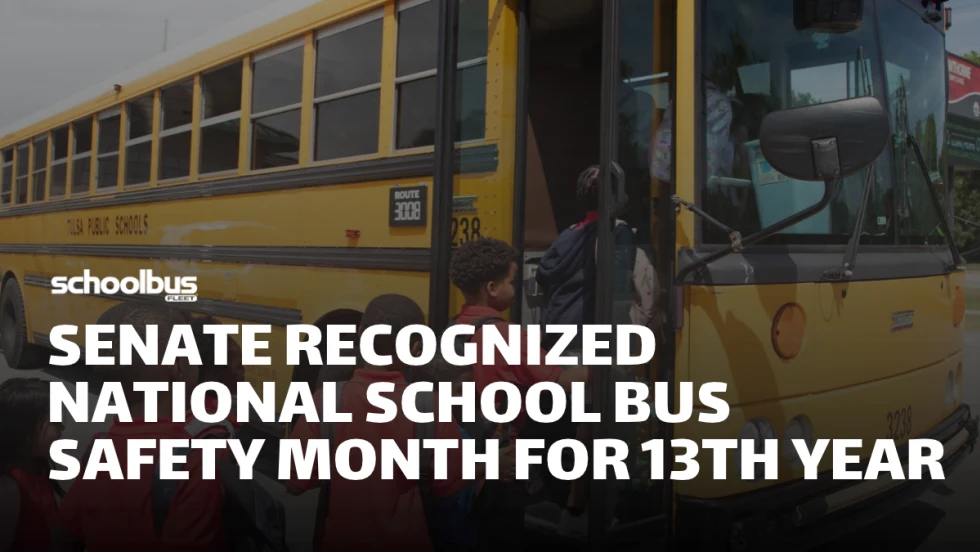
What the 2026 National School Bus Safety Month Resolution Means for Student Transportation
The bipartisan resolution highlights illegal school bus passing, student safety during loading and unloading, and the need for driver training and public education.
Read More →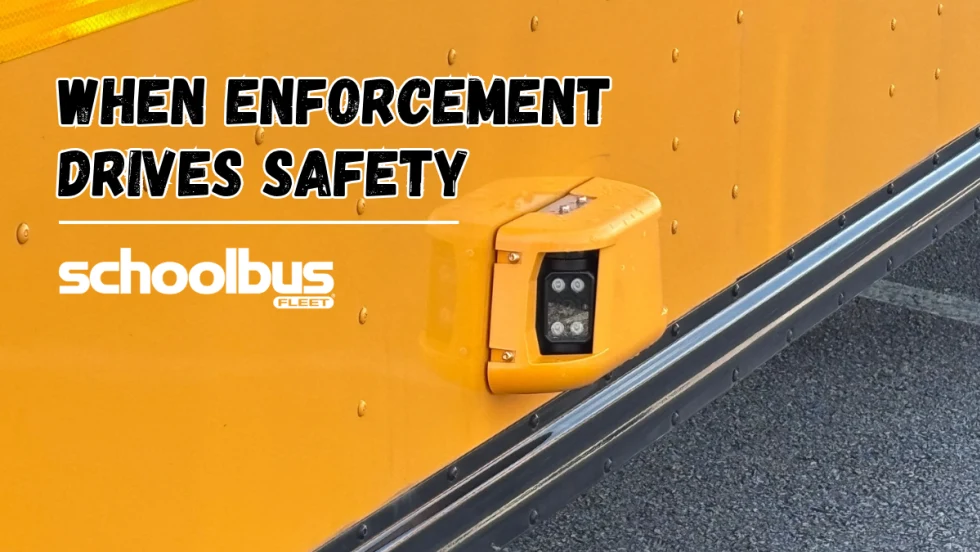
School Bus Stop-Arm Violations Decline 53% Across Verra Mobility Programs
Verra Mobility shares how school bus stop-arm cameras and school zone safety programs are changing driver behavior, reducing violations, and protecting students.
Read More →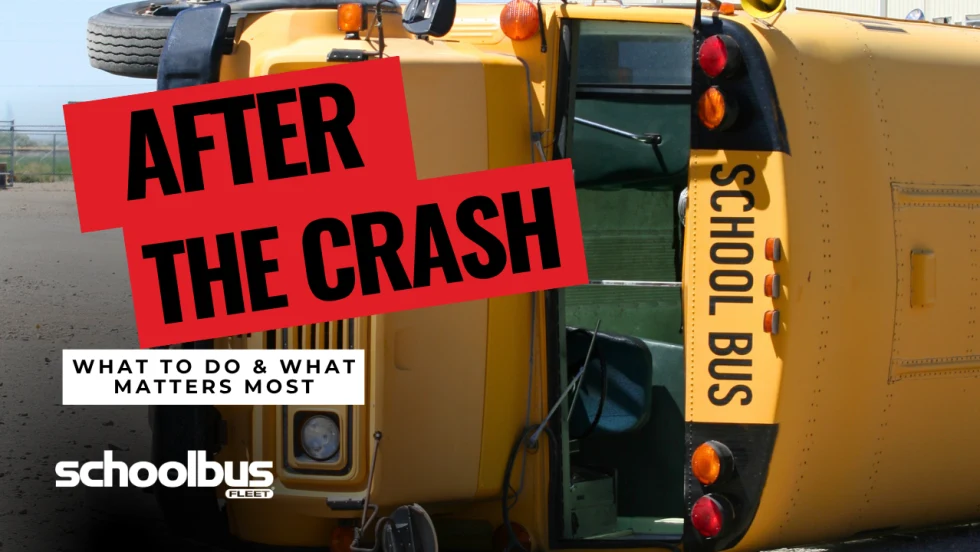
Most Bus Crashes Aren’t Your Fault. Here’s How to Prove It.
A guide for what to do in between a school bus crash and a claim: what to preserve, who to notify, and how to keep the facts available when they matter.
Read More →
National School Bus Safety Week 2026: Tips, Toolkits & Resources to Keep Students Safe
School bus safety takes more than awareness. Explore expert tips, enforcement strategies, and free resources to help protect students on every ride.
Read More →
2 Killed, Dozens Injured in Florida School Bus Crash
A multi-vehicle collision caused a Polk County school bus carrying 37 students to overturn on its way to Winter Haven High School.
Read More →
Illegal School Bus Passing Drops 24% in New York Districts
With fewer than 5% of citations involving repeat offenders, Westchester County officials said enforcement, education, and community partnerships are helping change driver behavior.
Read More →
School's Back. Here's What Happened to Traffic, Speeding & Distraction
What happens to traffic when school resumes? New data analysis examines changes in distracted driving, congestion, and speeding around schools.
Read More →
Geotab Expands Fleet Safety Tools With Video Coaching, Risk Insights
New safety and video capabilities aim to help fleet managers assess risk, support drivers, and take targeted action through video coaching, red-light violation detection, and more.
Read More →
How to Build a Better School Bus Driver Training Program
Is it time to strengthen your driver training? Here’s how to pick the right talent and improve recruitment, retention, and safety. This video is brought to you by IC Bus.
Read More →
Recent School Bus Accidents Leave 2 Dead, 2 Injured
Four school bus crashes in Florida, Illinois, and Georgia highlight risks in transportation lots, at bus stops, and during student loading and unloading.
Read More →