




School Bus Driver Starts Winter Clothing Drive for Students
Ivy Corliss, a bus driver with Lewiston (Maine) Public Schools, is collecting the donations after one of her students had no winter gear while waiting for the school bus.

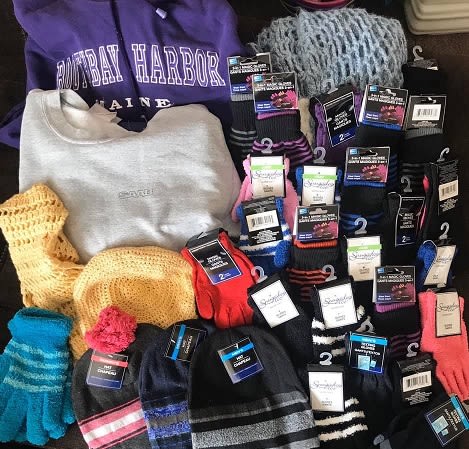
Ivy Corliss, a bus driver with Lewiston (Maine) Public Schools, is collecting hats, gloves, scarves, and other winter gear to help keep students warm during the colder months. Photo courtesy Ivy Corliss
Ivy Corliss, a bus driver with Lewiston (Maine) Public Schools, is collecting hats, gloves, scarves, and other winter gear to help keep students warm during the colder months. Photo courtesy Ivy Corliss
LEWISTON, Maine — A school bus driver here has started a winter clothing drive to help keep students warm during the colder months.
Ivy Corliss, a bus driver with Lewiston Public Schools, developed the idea for the clothing drive after one of her students was in tears after she had no winter gear while waiting for the school bus, Corliss wrote in the description of a Facebook group for the initiative. Corliss added that she found extra clothes for the student at her home and wanted to continue providing winter gear to other students with the help of the community and school bus drivers.
“Having extra scarves, hats, and mittens on the buses, as well as making sure the schools have boots, snow pants, scarves, hats, and gloves will help keep kids warm this winter,” she wrote.
Corliss is urging the community to donate various winter clothing items that can fit students who are in kindergarten through high school. She also said that she is teaming up with Hudson Bus Lines and school nurses at Lewiston Public Schools and Androscoggin County Public Schools to accommodate more students with winter clothing.
“My hope is to be able to extend this amazing journey and reach as many schools as possible in the state of Maine,” Corliss added. “Thank you all so very much for helping. With your help, we can spread love and warmth to so many.”
On Thursday, Corliss hosted a clothing donation drop-off at the Lewiston Mall. That same day, she also posted an update in the Facebook group stating that she will soon be working with all Maine school districts — with the help of the state Department of Education — to bring more winter gear to students in need. In the meantime, Corliss said that she plans to form a committee to develop contacts in all of the state's school districts to help coordinate and get warm winter gear to buses and schools.
More Safety
What the 2026 National School Bus Safety Month Resolution Means for Student Transportation
The bipartisan resolution highlights illegal school bus passing, student safety during loading and unloading, and the need for driver training and public education.
Read More →
School Bus Stop-Arm Violations Decline 53% Across Verra Mobility Programs
Verra Mobility shares how school bus stop-arm cameras and school zone safety programs are changing driver behavior, reducing violations, and protecting students.
Read More →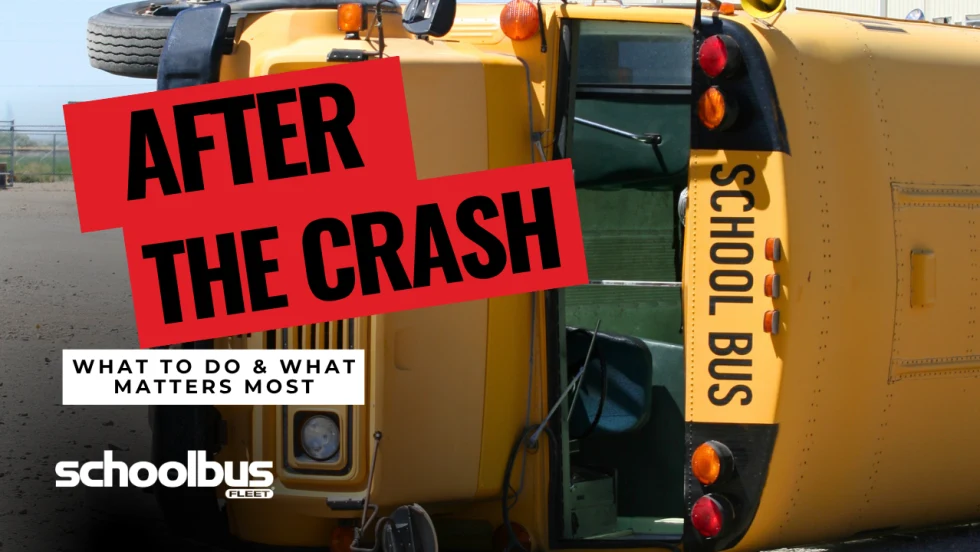
Most Bus Crashes Aren’t Your Fault. Here’s How to Prove It.
A guide for what to do in between a school bus crash and a claim: what to preserve, who to notify, and how to keep the facts available when they matter.
Read More →
National School Bus Safety Week 2026: Tips, Toolkits & Resources to Keep Students Safe
School bus safety takes more than awareness. Explore expert tips, enforcement strategies, and free resources to help protect students on every ride.
Read More →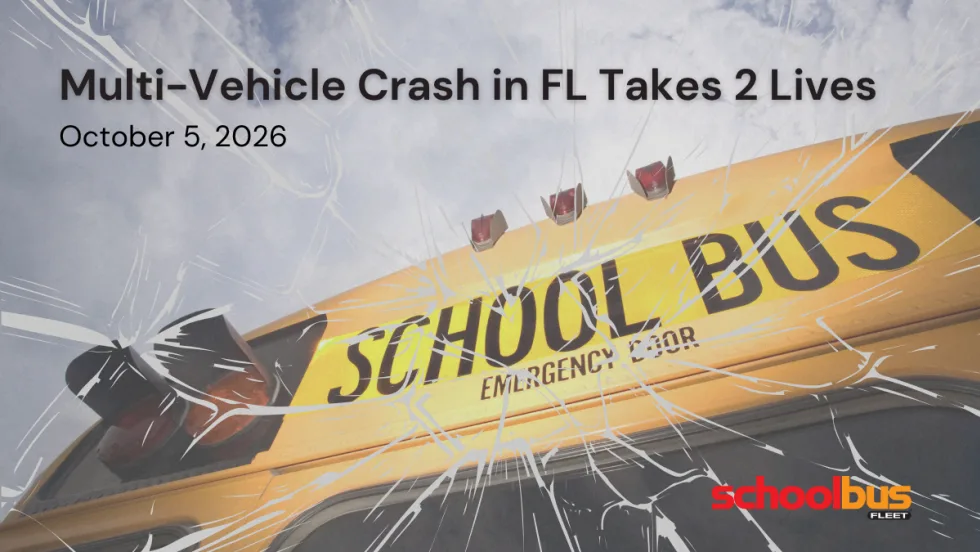
2 Killed, Dozens Injured in Florida School Bus Crash
A multi-vehicle collision caused a Polk County school bus carrying 37 students to overturn on its way to Winter Haven High School.
Read More →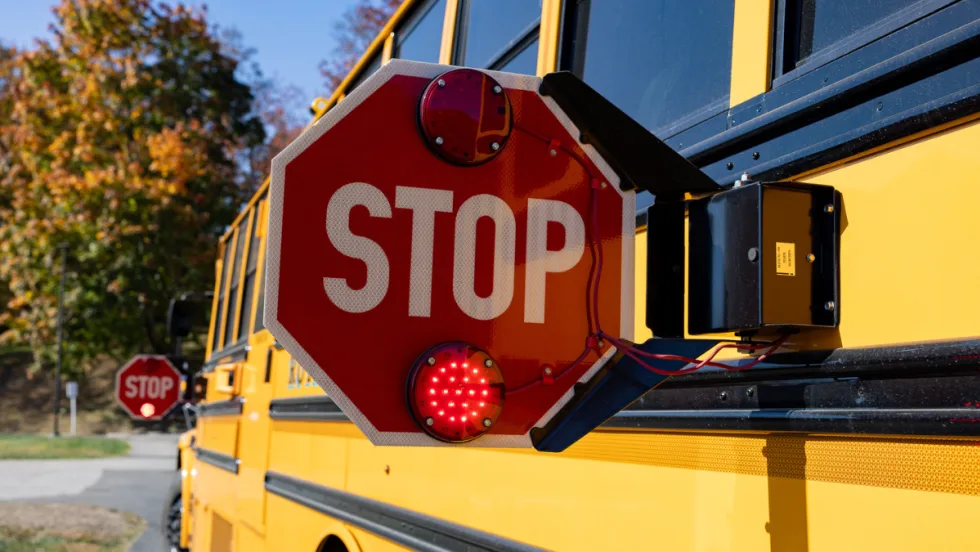
Illegal School Bus Passing Drops 24% in New York Districts
With fewer than 5% of citations involving repeat offenders, Westchester County officials said enforcement, education, and community partnerships are helping change driver behavior.
Read More →
School's Back. Here's What Happened to Traffic, Speeding & Distraction
What happens to traffic when school resumes? New data analysis examines changes in distracted driving, congestion, and speeding around schools.
Read More →
Geotab Expands Fleet Safety Tools With Video Coaching, Risk Insights
New safety and video capabilities aim to help fleet managers assess risk, support drivers, and take targeted action through video coaching, red-light violation detection, and more.
Read More →
How to Build a Better School Bus Driver Training Program
Is it time to strengthen your driver training? Here’s how to pick the right talent and improve recruitment, retention, and safety. This video is brought to you by IC Bus.
Read More →
Recent School Bus Accidents Leave 2 Dead, 2 Injured
Four school bus crashes in Florida, Illinois, and Georgia highlight risks in transportation lots, at bus stops, and during student loading and unloading.
Read More →