




Texas District Adds 24 Propane School Buses to Fleet
Leander Independent School District’s new Blue Bird Vision propane buses are expected to reduce nitrogen oxide emissions by more than 130,000 pounds.

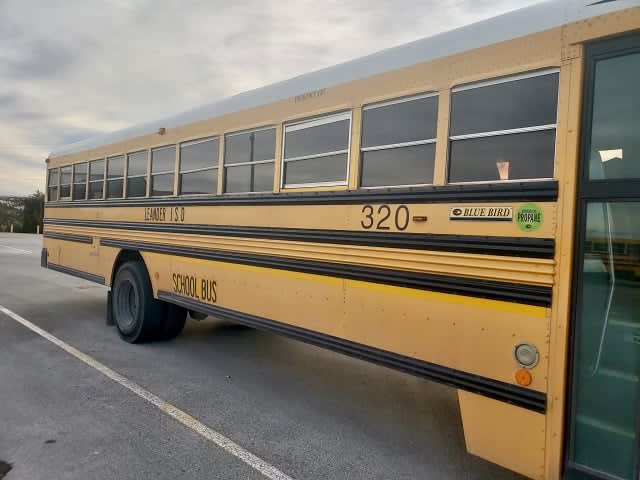
Leander (Texas) Independent School District’s new Blue Bird Vision propane buses are expected to reduce nitrogen oxide emissions by more than 130,000 pounds.
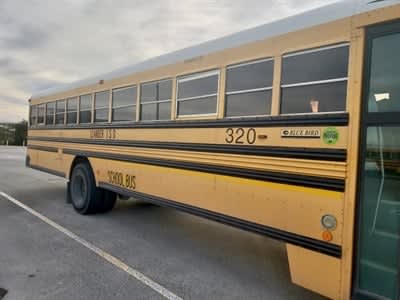
Leander (Texas) Independent School District’s new Blue Bird Vision propane buses are expected to reduce nitrogen oxide emissions by more than 130,000 pounds.
LEANDER, Texas — A school district here has added 24 propane-fueled buses to its fleet after receiving grant funding from the Texas Commission on Environmental Quality (TCEQ).
Leander Independent School District’s new Blue Bird Vision Propane buses are equipped with Ford’s 6.8L V10 engine and Roush CleanTech’s propane fuel system, and produce nitrogen oxide (NOx) emissions at 0.05g NOx.
“The impact of our school bus fleet on the environment is a big concern because many of our community members live in an environmentally sensitive area,” said Ann Hatton, director of transportation for the school district. “They appreciate that our school district is adopting a cleaner transportation option in propane.”
The school district, which has operated Blue Bird’s propane-fueled buses since 2008, has obtained multiple grants over the years. This year, Leander ISD received $740,000 in funding from TCEQ.
“Leander ISD received grants from both TCEQ and Lone Star Clean Fuels Alliance, because propane buses reduce harmful emission around its students, drivers, and community,” said Ryan Zic, director of school bus sales for Roush CleanTech. “These buses will also lower the district’s fuel and maintenance costs significantly over their lifetime by operating with domestically produced propane autogas.”
The district's 127 propane buses are also expected to reduce harmful NOx emissions by more than 130,000 pounds and particulate matter by almost 3,000 pounds annually, according to Roush CleanTech.
In addition, Hatton said the district’s technicians benefit from the lack of exhaust fumes in the maintenance bays. She also noted that the district’s drivers appreciate the propane buses’ “get up and go” performance.
“It is very rewarding to see this school district continue its commitment to adopting propane school buses,” said Mark Terry, chief commercial officer at Blue Bird Corp. “Our number one goal is the safety of the students we transport, and we feel that further reducing emissions achieves this goal.”
Thirty percent of Leander ISD’s current fleet operates on propane, and the district plans to double its number of propane buses over the next five years, according to Roush CleanTech.
More Alternative Fuels
Alt-Fuel Moves: Electric Bus Rollouts, Bidirectional Charging & Propane Growth
See which fleets are adding electric and propane school buses as districts and operators invest in charging infrastructure, bidirectional technology, and alternative-fuel expansion.
Read More →
Nobody Told Diesel Prices They Were Supposed to Come Down
With diesel prices surging, school bus fleets have new reason to stress-test fuel costs, consider diversification, and calculate what each route really costs to operate.
Read More →
Why Gasoline School Buses Are Making a Comeback
Gasoline is gaining ground in full-size school buses. See how today’s options stack up against diesel on cost, maintenance, emissions, performance, and more.
Read More →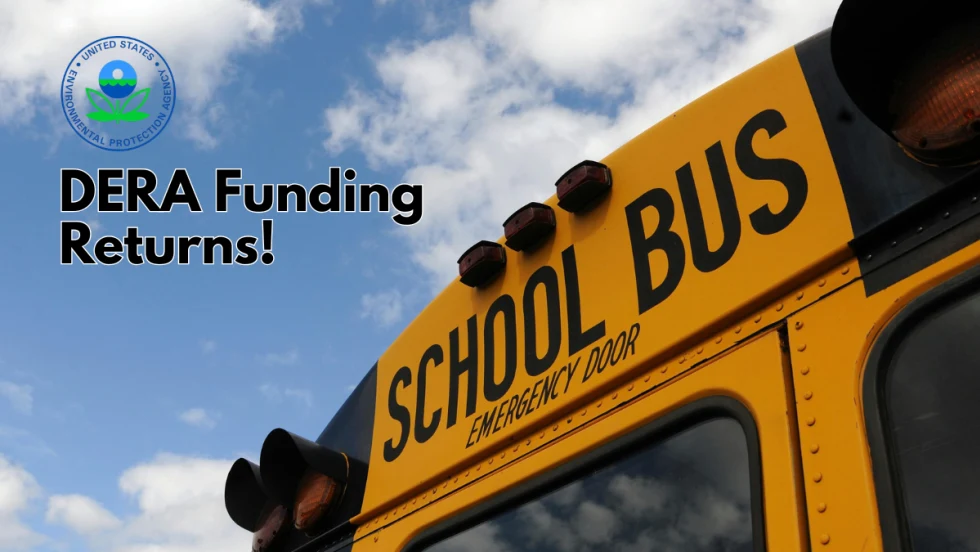
EPA Opens $180M DERA Funding Round for Diesel Upgrades
The 2026 Diesel Emissions Reduction Act program seeks applications from eligible organizations to accelerate the retirement of legacy diesel vehicles.
Read More →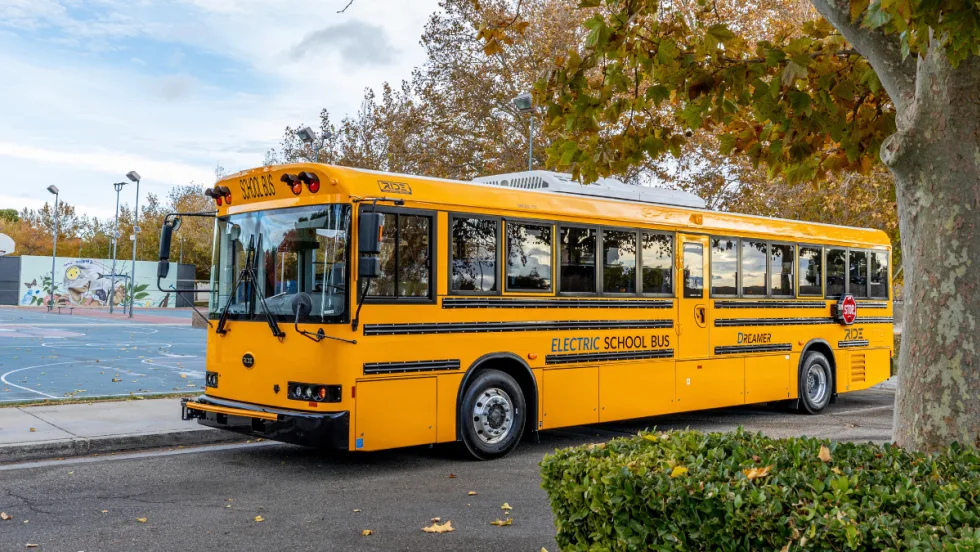
The Secret Life of an Electric School Bus Battery
Batteries change throughout years of daily routes, but degradation doesn’t necessarily mean the end. Here’s what operators should know about performance, safety, and second life.
Read More →
CALSTART and Forth Combine to Form Catalyst Mobility
The new name represents a renewed vision for the nonprofit focused on advancing clean, equitable, and affordable transportation solutions that move people and goods.
Read More →
Alt-Fuel Moves: New Buses, Charging Hubs & Real-World EV Testing
Propane and electric school bus deployments continue to grow as districts add new vehicles, expand charging infrastructure, and gather more real-world operating data.
Read More →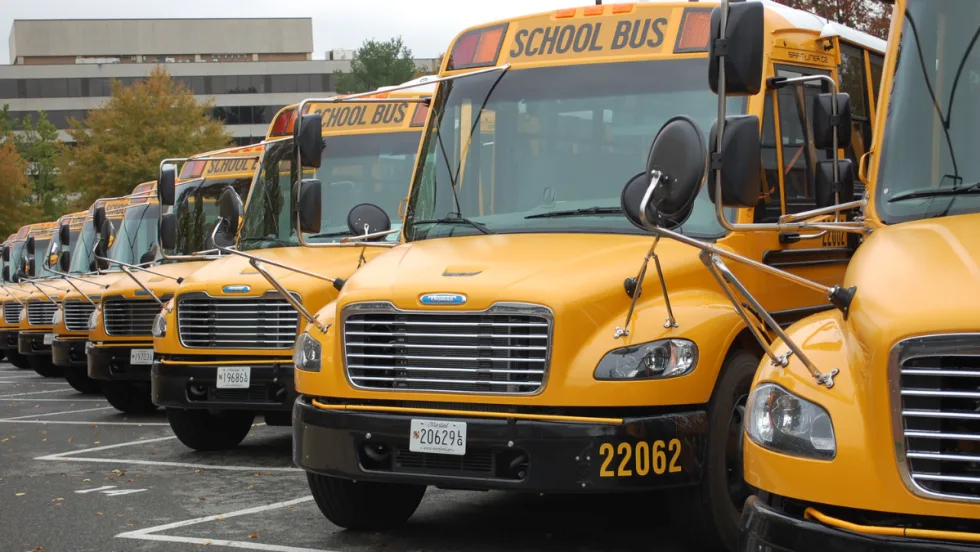
Fewer Electric School Bus Models Reshape the U.S. Market
WRI’s latest buyer’s guide points to a consolidating electric school bus market, but fewer options may reflect a maturing industry rather than fewer meaningful choices for school bus operators.
Read More →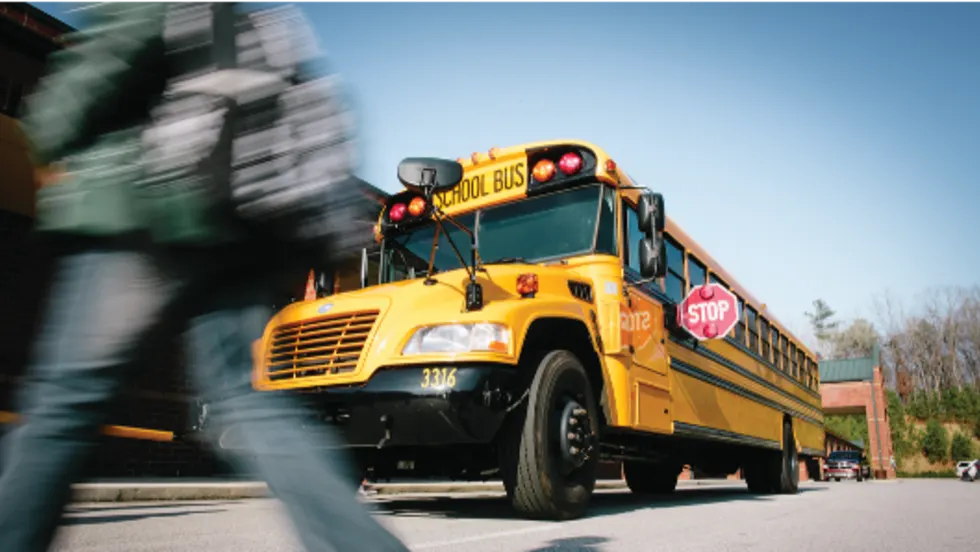
The Fuel Budget You Can Actually Predict: How Propane Autogas Keeps Money in the Classroom
Learn how propane autogas helps school districts manage fuel costs with predictable pricing, lower maintenance, and reduced emissions from former transportation director Joel Stutheit.
Read More →
Hendrickson, Driventic Introduce New Electric Powertrain for School Buses
ELECTRAAX, the electrified, lightweight drive axle offers integrated ePowertrain efficiency and modular flexibility for Class 6–7 school bus use.
Read More →