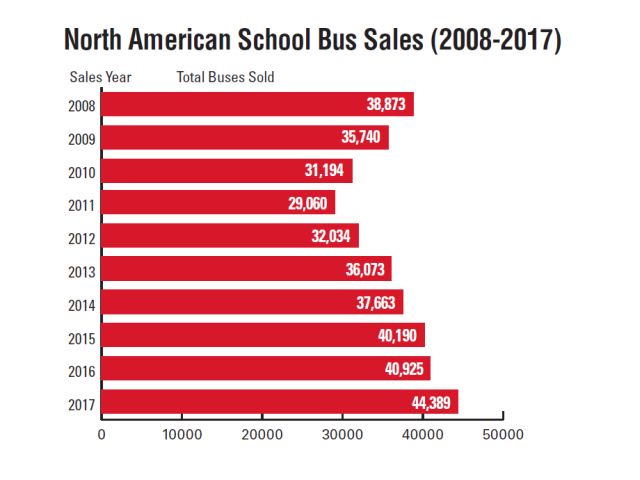
North American school bus sales grow for the sixth year in a row. The 2017 total of 44,389 units is the highest mark in more than 10 years.
Thomas McMahon・Executive Editor
December 14, 2017
The 2017 total of 44,389 new school buses sold was the highest mark in more than 10 years.
1 min to read
The 2017 total of 44,389 new school buses sold was the highest mark in more than 10 years.
North American school bus sales have grown for the sixth year in a row, School Bus Fleet research has found.
In the 2017 sales year (Nov. 1, 2016, to Oct. 31, 2017), a total of 44,389 new school buses were purchased in the U.S. and Canada. That’s up 8.5% from the 2016 total of 40,925 units.
Ad Loading...
This year’s tally of 44,389 school buses sold is the highest mark for the industry in more than 10 years.
Nearly three-fourths (72%) of the school buses sold in 2017 were Type Cs, which are also known as conventionals. Type As (small school buses) accounted for 18%, and the other 10% were Type Ds (transit-style school buses).
Looking just at the U.S., school bus sales rose for all types (A, C, and D). The U.S. total of 39,790 units sold in 2017 was an increase of 9.8% compared to 2016.
In Canada, school bus sales took a slight dip in the 2017 sales year. The Canadian total of 4,599 units sold was down 1.8% from 2016.
More school bus sales data and other pupil transportation statistics will be published in School Bus Fleet’s upcoming 2018 Fact Book.
Summit School Services recognized more than 5,500 drivers and monitors with safety awards after meeting accident- and injury-free performance standards over the past three years.
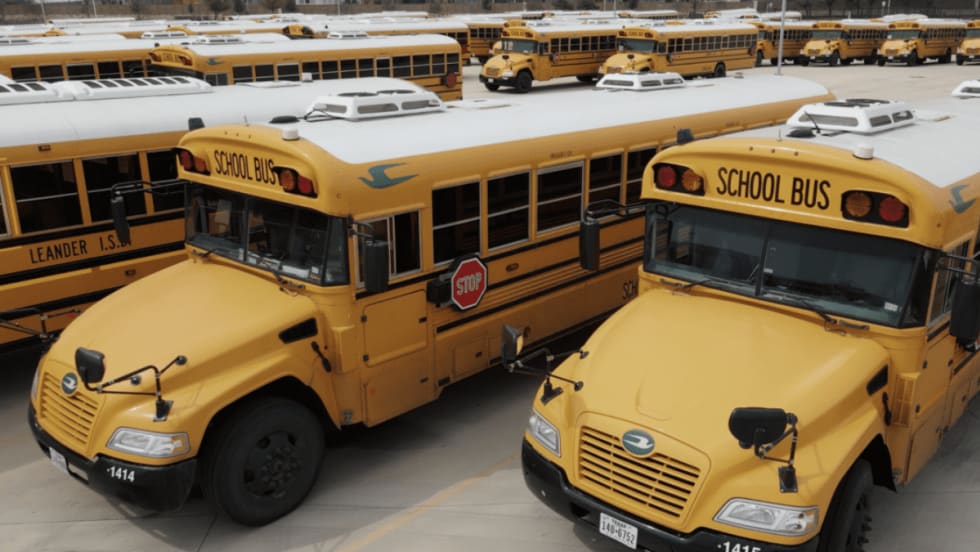
Leander ISD identified more than $1 million in projected annual savings after using AlphaRoute to optimize bus routes without changing schedules or stops.
See how Thomas Gray brings Marine Corps discipline and logistics expertise to Dayton Public Schools in this article celebrating National Military Appreciation Month.
With diesel prices up 46%, new Geotab analysis points to tools that help fleets reduce idling, detect fuel anomalies, and recover hidden fuel costs across operations.
Driver shortages, safety expectations, and staffing limits define student transportation in 2026. New survey data shows how fleet leaders are responding.
Available on desktop or mobile, the digital ecosystem brings fleet monitoring, service management, vehicle insights, and dealer communication into a single interface.