




5 myths about student tracking, dispelled
School districts are finding that student GPS tracking has many benefits, but it has also become controversial. Here are five myths about student tracking and the reasons they are inaccurate.

GPS tracking gives instant and reliable data. An RFID scanner at the door of the bus immediately tags anyone who gets on or off the bus.
From the time a student leaves home until the time he or she returns home, the safety and care for that child is in the hands of your school district — an enormous responsibility.
Student transportation is particularly complex. Buses get delayed with traffic issues, and students’ drop-off locations change. When a bus is late or a student is dropped off in the wrong neighborhood, the results are panicked parents and a stressed transportation department.
Enter student GPS tracking, the latest technological trend giving schools the ability to know the minute-by-minute whereabouts of every student.
School districts are finding that student GPS tracking software, devices and methods have many benefits. However, student tracking has also become a controversial topic, with various myths mounting alongside its growing acceptance.
The following are the top five myths about student GPS tracking and the reasons that they are inaccurate or unfounded.
Myth #1: GPS tracking subjects students to security risks
The reality: Children’s private information will not be hacked by the credit card readers that are used for identity theft.
RFID (radio frequency identification) technology was invented in the 1980s and became a ubiquitous tool in worldwide manufacturing and shipping because of its reliability and security (and, of course, its low cost).
For the purposes of student GPS tracking software, the RFID microchip stores no data aside from a student identification number. This means that without access to the main district student database, there is no way to match an ID number to a student’s private information.
GPS tracking gives instant and reliable data. An RFID scanner at the door of the bus immediately tags anyone who gets on or off the bus. The system can also alert bus drivers if a student is getting off at the wrong stop the moment it happens.
Myth #2: Student ID cards can’t account for truancy
The reality: Cards can only be used by the students they are assigned to. Photos are printed on the cards, so school staff is able to easily verify that each student is carrying only their card.
Student GPS tracking improves student safety and prevents truancy. When a parent calls asking where their child is, you have an answer. If a bus is 20 minutes late to a drop-off location, you’re able to see where the bus is and then inform concerned parents when the bus is going to arrive.
As for truancy, instead of using student GPS tracking as a way to punish kids who skip class, it should be seen as an opportunity to help students make improvements.
Myth #3: Student tracking is too limited to be useful
The reality: The ID cards are not just used for transportation and attendance. The cards may be used for checking out books, paying for lunches and registering for laptop use.
The ID cards used for student GPS tracking may also be used as each student’s key to the library, the cafeteria, computer labs and equipment checkout, and as a replacement for physical tickets to school events.
Having one card provide so much functionality helps to save money and resources in other areas.
Myth #4: GPS tracking is like “Big Brother” watching children
The reality: Aside from the school district’s own reader, no electronic reader will track children, such as when they pass through electronic doors at a mall.
Student GPS tracking, at first, may sound like an invasion of privacy to some parents. Some media outlets have certainly focused on the abstract fear surrounding the surveillance of students. However, ID chips contain no personal information about a student, so a possible security breach is a moot point.
The truth is that student GPS tracking has practical benefits that need to be emphasized over the imagined dangers. It’s hard to argue with improved attendance and fewer misplaced students.
Myth #5: Student GPS tracking is expensive
The reality: The costs are low. A single RFID microchip costs a couple of cents, and student ID cards are also easy and affordable to make.
It's not uncommon to associate purchasing a new technology system with spending a lot of money. However, with student GPS tracking, the costs are kept low.
The material costs are mostly in the plastic and laminate on student ID cards. The scanners are also low-cost and easy to deploy, since each scanner has only a few feet of signal strength.
Ultimately, your school district must let parents weigh in on how they feel about student GPS tracking. No matter what your district believes to be beneficial, parents must feel comfortable and feel that their child is safe. That’s why it’s important to educate them on the myths and realities of student GPS tracking.
Sonia Mastros is co-founder, president and chief financial officer of BusBoss and Orbit Software Inc. Mastros, a native of Puerto Rico, has a 16-year history of working with school districts to develop sophisticated school bus routing software and student GPS tracking products for optimizing routes, improving student safety and alleviating parent concerns. She can be reached at soniasr@orbitsoftware.net. For more information, go to www.busboss.com or call (484) 941-0820.
More Management

Changing Lanes: BusWhere, EverDriven, InterMotive, Summit School Services, Switzer-Carty & Thomas Built Buses
Check out who's been hired, promoted, and appointed to leadership positions at various school transportation suppliers, contractors, and manufacturers.
Read More →
The Most Expensive Thing You Do Before Selling a School Bus: Wait
When should you sell an aging school bus? Learn how maintenance, mileage, corrosion, specifications, and timing can affect resale value long before the auction.
Read More →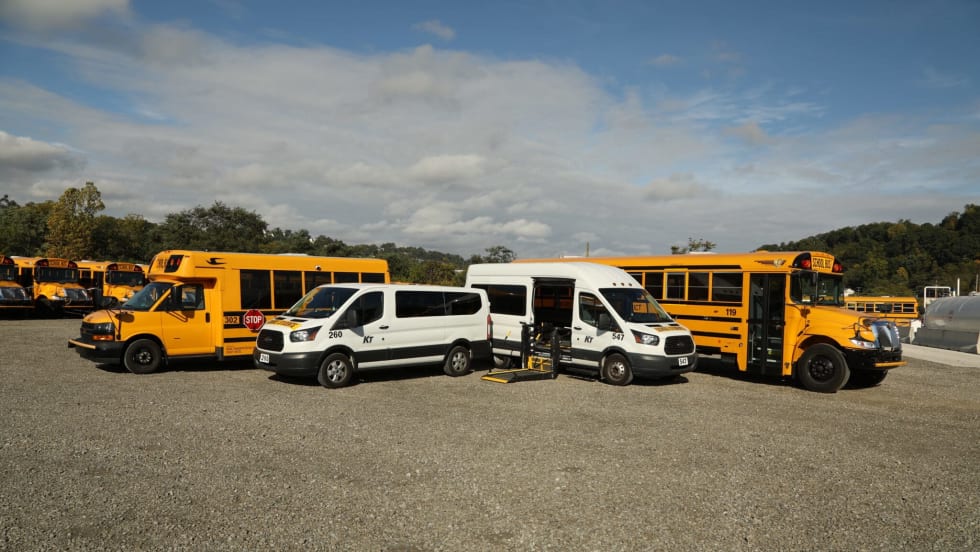
American Student Transportation Partners Acquires AJ Myers and Sons
A new deal brings a 75-year Pennsylvania student transportation provider into one of the nation’s largest private school bus contracting groups.
Read More →

What I Brought Home From SBFX: Relationships, Leadership, and Preparing What's Next
Who could lead your transportation operation tomorrow if you couldn't? Bernando Brown explores succession planning, mentorship, and preparing emerging leaders to step up.
Read More →
Inside School Bus Fleet ConneX 2026: Industry Leaders Connect in Scottsdale [Photos]
See highlights from SBFX 2026 in Arizona, where school bus operators and suppliers gathered for meetings, education, networking, awards, and more.
Read More →
School Transportation’s Biggest Pressures and Opportunities: SBFX Attendees Weigh In
School bus operators point to rising costs, staffing, and vehicle prices as immediate pressures while identifying technology, training, and routing as opportunities for growth.
Read More →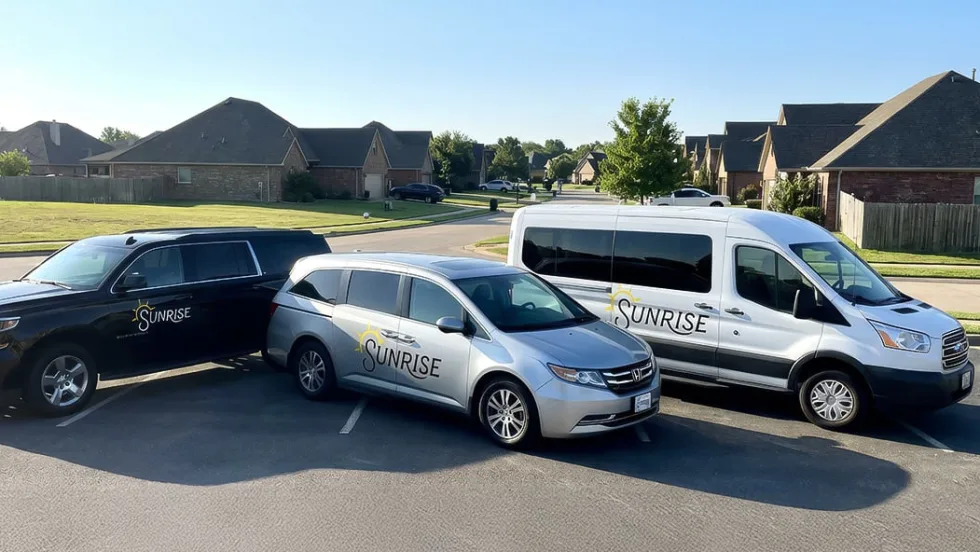
STA Acquires Sunrise Transportation
Student Transportation of America expands in Illinois and Connecticut through Sunrise's fleet of nearly 1,000 vehicles.
Read More →
EPA Opens $180M DERA Funding Round for Diesel Upgrades
The 2026 Diesel Emissions Reduction Act program seeks applications from eligible organizations to accelerate the retirement of legacy diesel vehicles.
Read More →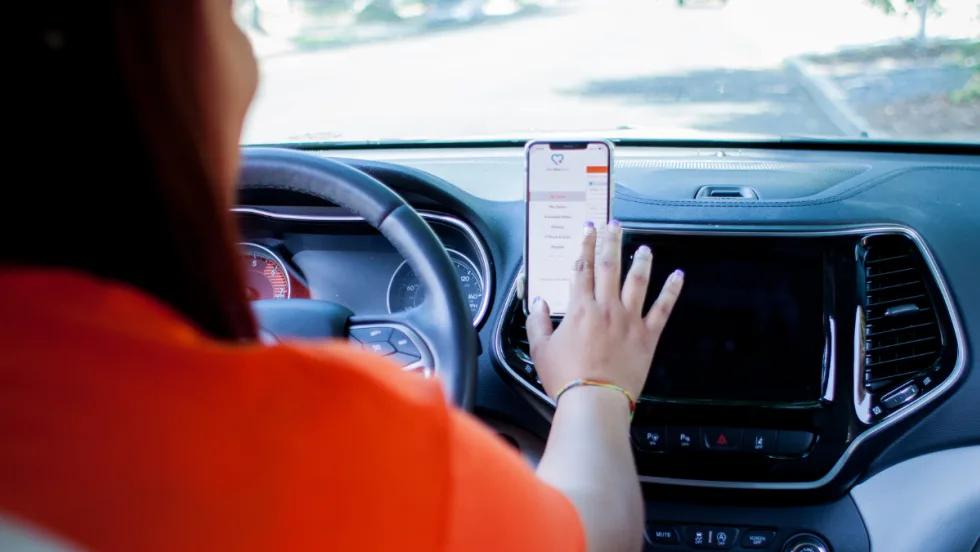
HopSkipDrive’s CareEngine Targets the ‘Exceptions’ in Student Transportation
The new platform works alongside districts’ existing transportation management systems to coordinate specialized rides, automate last-minute changes, and turn ride data into operational improvements.
Read More →
The Right Ride for Every Student: Navigating the New Student Transportation Ecosystem
How should districts blend school buses with small-vehicle transportation and other options? EverDriven CEO Mitch Bowling discusses safety, costs, partnerships, and strategy.
Read More →