




$43 million increase for school bus funding in Washington
The State Legislature commits to an additional $42.8 million for student transportation operations for the 2013-14 school year, or approximately 40% of the existing statewide underfunding.

OLYMPIA, Wash. — The State Legislature on Friday passed an operating budget that provides substantially more funding for student transportation in the coming biennium.
A new funding system for school transportation operations was implemented in Washington state beginning with the 2011-12 school year. Officials said that the new system was an important step in the legislative commitment to meet the state constitutional requirement to fully fund basic education, which includes transportation.
While the new funding system was implemented, the $110 million required to fully fund the system was not appropriated. A transition process was put in place with an additional $4.2 million provided in the 2011-12 school year and $2.8 million in the 2012-13 school year. Total funding for student transportation operations in 2012-13 was $265.2 million, with expenditures of approximately $405 million.
Now, with the new biennial budget, the Legislature committed to providing an additional $42.8 million for the 2013-14 school year, or approximately 40% of the existing statewide underfunding.
In the 2014-15 school year, an additional $65.4 million is provided to fully fund the new allocation system. The total appropriation for student transportation operations will then be approximately $377 million.
During the 2013-14 and 2014-15 school years, funding provided for capital costs (purchasing school buses) will be approximately $50 million per year for district-owned fleets and $7 million per year for school districts that contract services.
More Safety
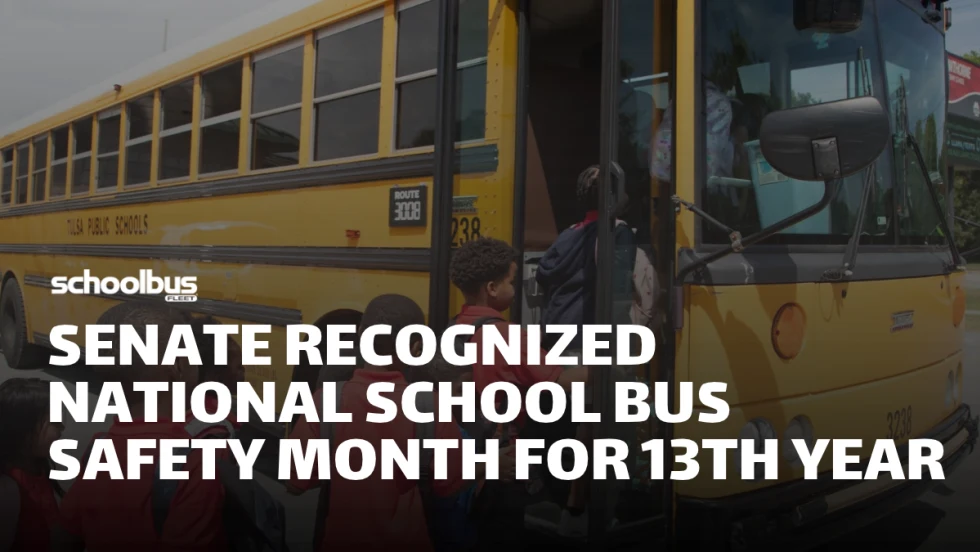
What the 2026 National School Bus Safety Month Resolution Means for Student Transportation
The bipartisan resolution highlights illegal school bus passing, student safety during loading and unloading, and the need for driver training and public education.
Read More →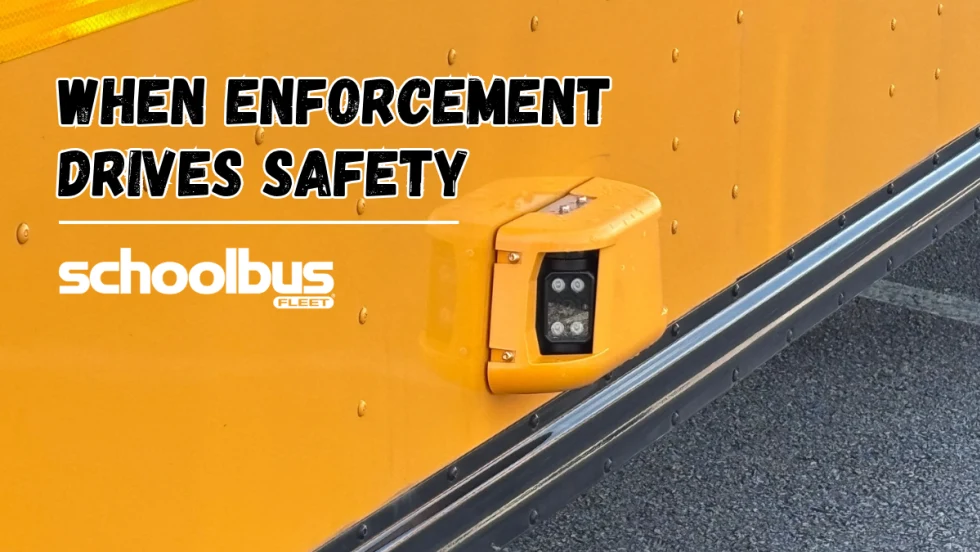
School Bus Stop-Arm Violations Decline 53% Across Verra Mobility Programs
Verra Mobility shares how school bus stop-arm cameras and school zone safety programs are changing driver behavior, reducing violations, and protecting students.
Read More →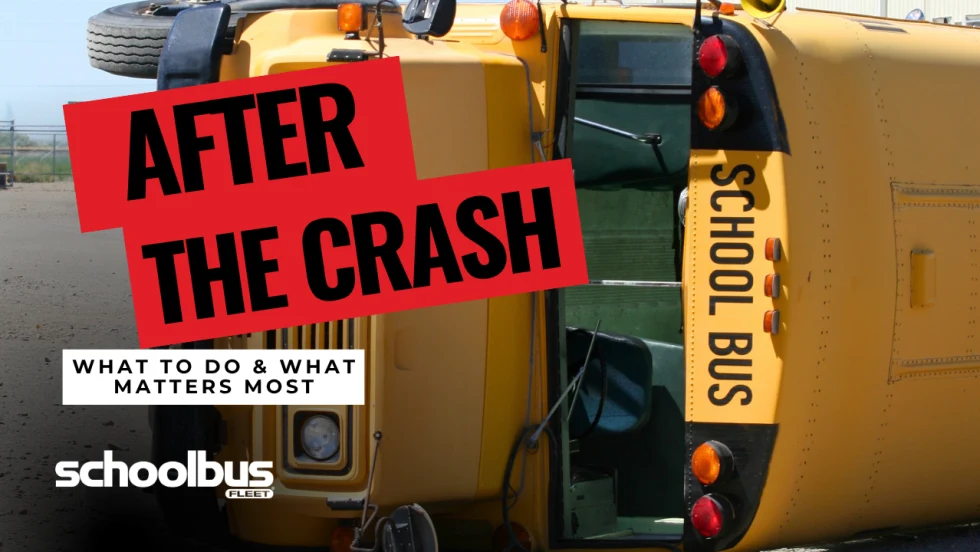
Most Bus Crashes Aren’t Your Fault. Here’s How to Prove It.
A guide for what to do in between a school bus crash and a claim: what to preserve, who to notify, and how to keep the facts available when they matter.
Read More →
National School Bus Safety Week 2026: Tips, Toolkits & Resources to Keep Students Safe
School bus safety takes more than awareness. Explore expert tips, enforcement strategies, and free resources to help protect students on every ride.
Read More →
2 Killed, Dozens Injured in Florida School Bus Crash
A multi-vehicle collision caused a Polk County school bus carrying 37 students to overturn on its way to Winter Haven High School.
Read More →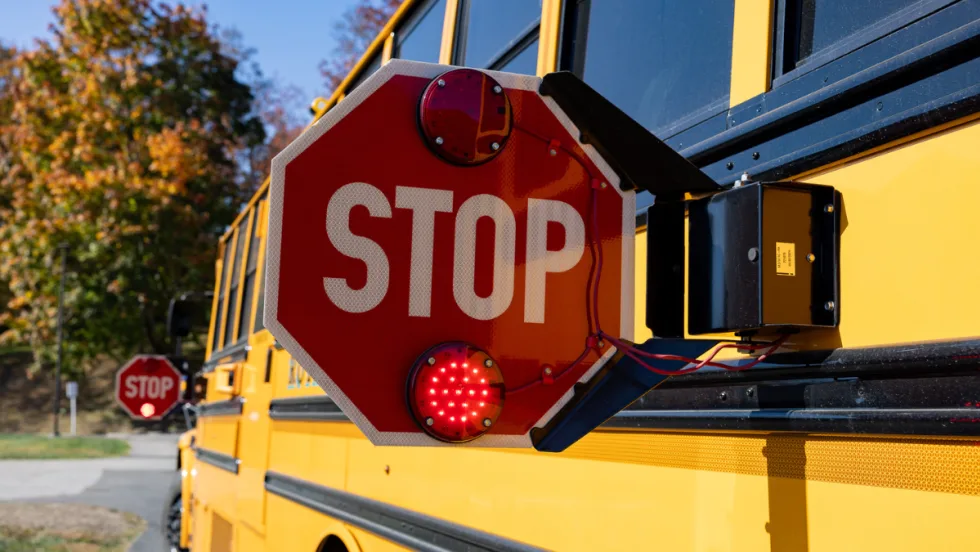
Illegal School Bus Passing Drops 24% in New York Districts
With fewer than 5% of citations involving repeat offenders, Westchester County officials said enforcement, education, and community partnerships are helping change driver behavior.
Read More →
School's Back. Here's What Happened to Traffic, Speeding & Distraction
What happens to traffic when school resumes? New data analysis examines changes in distracted driving, congestion, and speeding around schools.
Read More →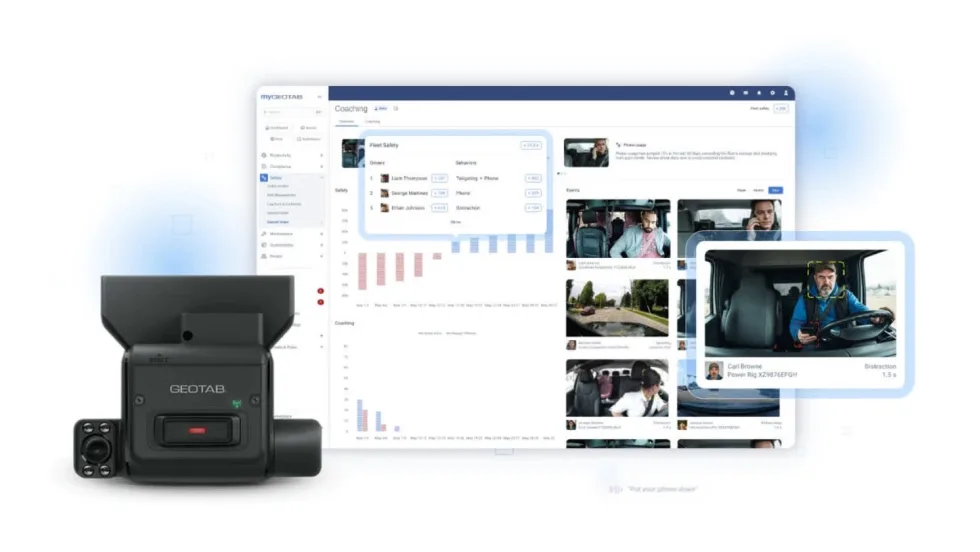
Geotab Expands Fleet Safety Tools With Video Coaching, Risk Insights
New safety and video capabilities aim to help fleet managers assess risk, support drivers, and take targeted action through video coaching, red-light violation detection, and more.
Read More →
How to Build a Better School Bus Driver Training Program
Is it time to strengthen your driver training? Here’s how to pick the right talent and improve recruitment, retention, and safety. This video is brought to you by IC Bus.
Read More →
Recent School Bus Accidents Leave 2 Dead, 2 Injured
Four school bus crashes in Florida, Illinois, and Georgia highlight risks in transportation lots, at bus stops, and during student loading and unloading.
Read More →