





School Buses Against Trafficking: How to Protect Students from Exploitation
4 Easy Actions to Help Stop Human Trafficking
Easy, practical ways school districts and contractors can help stop human trafficking this January and beyond.
January 5, 2026
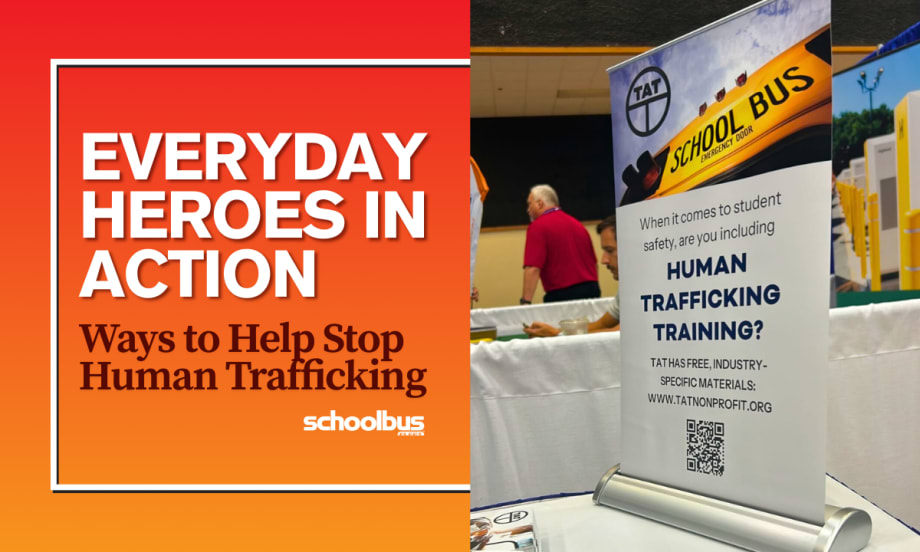
National Human Trafficking Awareness Day is observed on January 11th, which was designated by the U.S. Senate in 2007.
Photo: TAT/School Bus Fleet
2 min to read
Human trafficking is happening all around us, hidden in plain sight. The good news is that there are millions of transportation professionals in North America, including hundreds of thousands of school transportation employees, uniquely positioned to recognize and report it.
TAT (formerly Truckers Against Trafficking) aims to equip every frontline transportation professional to recognize and report human trafficking. To date, more than 121,000 members of the school transportation industry have completed TAT training, strengthening a nationwide “mobile army” of informed professionals.
This January, campaigns across the United States will be spreading awareness about the realities of human trafficking during National Human Trafficking Prevention Month (NHTPM). TAT believes every person can make a difference in ending this type of crime and, in doing so, offers resources for individuals, districts, and companies to join the movement.
Here are four easy actions districts and contractors can take to join the cause:
1. Implement Anti-Trafficking Training
TAT offers free training resources specifically created for members of the school transportation industry. Individuals can complete training via TAT’s free online learning portal.
Training can also be implemented for groups during in-service training or other professional development opportunities. Reach out to info@tatnonprofit.org to access free training resources.
2. Take Advantage of TAT’s Weekly Webinars
Throughout the month of January, TAT is offering weekly webinars during NHTPM, open to TAT partners and the general public. These virtual sessions will help broaden awareness about the realities of human trafficking, how it affects local communities and industry, and how every individual can actively combat it.
Jan. 7: Modern Slavery at Work: Recognizing and Responding to Labour Trafficking
Jan. 13: Disaster and Exploitation: Understanding the Link Between Crisis and Trafficking
Jan. 22: Shut Out Human Trafficking: Major Sports Events and Human Trafficking
Jan. 30: The Role of Parents and Trusted Adults in Combating Human Trafficking and Online Exploitation
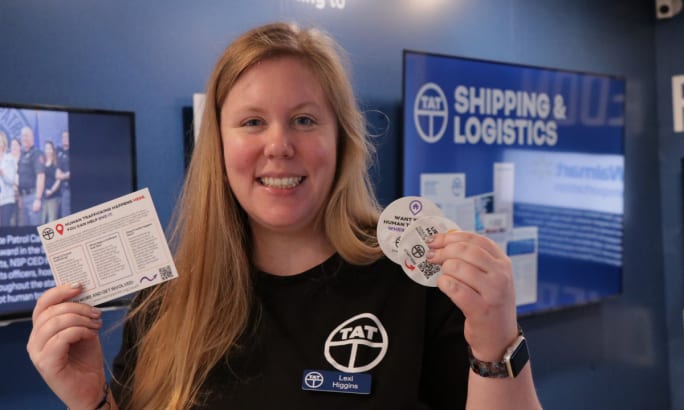
TAT Director of Industry Engagement Lexi Higgins holds some of TAT’s youth-focused materials at a TAT event in Oklahoma City, OK, in May 2025
Photo: TAT
3. Join the Conversation on Social Media
While the fight against human trafficking is a year-round battle, NHTPM is an important opportunity to join a national conversation about the issue and leverage the country-wide momentum gained on the topic.
Using TAT’s social media guide, which includes sample graphics and captions, post on social media channels to spread awareness about human trafficking.
4. Raise Awareness Year-Round
The conversation doesn’t end in January! TAT’s Partner Communications Plan provides examples of external and internal human trafficking messaging for your district or organization to use throughout the year. It includes a theme for each month, sample graphics and other assets, press resources, and more.
National Human Trafficking Awareness Day is observed on January 11th, which was designated by the U.S. Senate in 2007.
More Safety

How to Build a Better School Bus Driver Training Program
Is it time to strengthen your driver training? Here’s how to pick the right talent and improve recruitment, retention, and safety. This video is brought to you by IC Bus.
Read More →
Recent School Bus Accidents Leave 2 Dead, 2 Injured
Four school bus crashes in Florida, Illinois, and Georgia highlight risks in transportation lots, at bus stops, and during student loading and unloading.
Read More →
Sponsored•September 8, 2026
When Every Second Matters, Clarity Keeps Routes Moving
From routine delays to urgent incidents, strong communication practices help drivers, dispatchers, schools, and families respond with confidence.
Read More →

What Happens When a School Bus Catches Fire — and What Can Help
School bus fires are rare but can be devastating. Learn how advances in fire suppression and asset protection help fleets detect fires earlier, reduce damage, and improve safety.
Read More →
Geotab Launches Tool to Help Fleets Investigate Road Incidents
Geotab Investigations combines telematics data, video, documents, and other evidence to help fleets reconstruct incidents, resolve claims, and determine what happened.
Read More →
Texas Sixth Grader Wins 2026 National School Bus Safety Poster Contest
Sai Darshana Yekolu of Moseley Middle School in Prosper, Texas, was named the newest winner for her artwork, bringing the theme of “Safe Rides, Everyday Heroes” to life.
Read More →
Sponsored•August 27, 2026
Doing More With Less: How Transportation Directors Can Prioritize Safety Amid Budget Uncertainty
With diesel prices soaring and nearly one-third of transportation directors expecting budget cuts, maintaining student safety has never been more challenging. Download this guide to learn how leading districts are prioritizing risk, funding critical safety technology, and building stronger budget cases with data.
Read More →
Walton County Schools Adds Gatekeeper Stop-Arm Enforcement System
The Florida district will deploy Gatekeeper’s updated Student Protector technology, which now incorporates AI to improve video evidence.
Read More →
How To Build a More Secure School Bus Yard During and After Hours
As thefts and overnight security threats continue, school transportation leaders are combining stronger operational practices with AI-enabled surveillance to better protect buses, facilities, and staff.
Read More →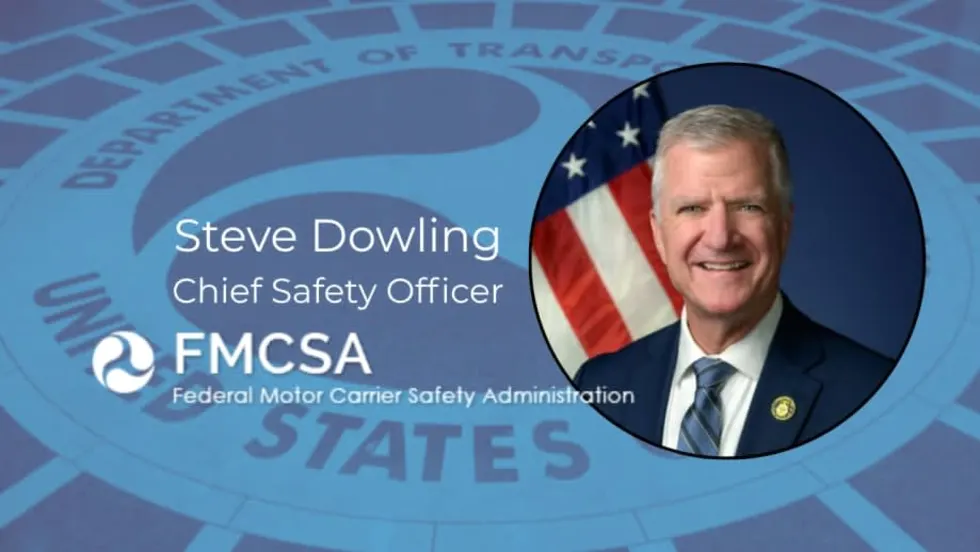
FMCSA Names New Chief Safety Officer: What School Bus Operators Should Know
Steve Dowling is set to lead the federal agency's efforts to advance commercial motor vehicle safety and reduce crashes, fatalities, and injuries on the nation's roadways.
Read More →