





Don't Miss:School Bus In-Service Training Matters All Year Long
The Overlooked Priority: Why School Bus Companies Must Invest in Security Training
School bus safety isn’t just about driving; it’s about preparedness. Discover why investing in security training is crucial for protecting drivers and students.
November 12, 2025
Brooks suggests that 5% of your operational budget should be directed toward training your drivers and staff on the skills and knowledge to respond to threats and security concerns appropriately.
Photo: School Bus Fleet
5 min to read
Across the country, school bus operators — both public and private — are facing unprecedented pressures. Budgets are tight, recruitment and retention are constant challenges, and new legal mandates continue to expand the list of training requirements. Fuel costs, insurance premiums, and equipment maintenance consume ever larger portions of operating budgets, leaving many transportation directors and company owners struggling to cover the essentials. Amid these competing priorities, security-related training and preparedness often fall by the wayside, viewed as something “nice to have” rather than “need to have.” Yet, in today’s climate, that mindset is both outdated and risky.
While nearly every transportation operation provides drivers with training in defensive driving, student management, and emergency procedures, the security dimension of safety — how to recognize, prevent, and respond to threats — is often left unaddressed or handled informally.
Bus drivers are trained to manage children, not necessarily to identify suspicious behavior, detect trafficking indicators, or respond to an armed intruder. However, history has shown that when danger arises, it often starts on or around the bus.
In 2013, for example, a gunman in Midland City, Alabama, boarded a school bus, killed the driver, and took a child hostage — an incident that led to national discussion on the vulnerability of transportation systems. Similar incidents, though less publicized, occur every year: unauthorized intrusions, assaults at bus stops, and even trafficking operations using school bus and transit routes to recruit or move victims.
Legal Requirements Are Growing, But Often Uneven
Some states have begun to recognize the importance of proactive training. For example, Montana law says school bus drivers should receive training on human trafficking awareness and prevention, as part of a broader state initiative to combat trafficking in transportation sectors and educational institutions. Drivers learn how to identify potential victims, recognize behavioral indicators, and properly report concerns to law enforcement. This type of training goes far beyond basic safety; it empowers drivers to play an active role in protecting vulnerable students and the community.
Other states are moving in different directions. California’s Department of Education mandates instruction in emergency procedures, child safety, and passenger loading and unloading safety, but security-specific topics like active shooters, intruder response, or hijacking prevention are typically optional. As a result, there is a patchwork of standards across the nation — some robust, others minimal — leaving many transportation systems unevenly prepared for modern threats.
The Budget Dilemma: Balancing Safety and Survival
Even when leaders understand the need for enhanced security training, financial constraints often make it difficult to act. A typical mid-sized bus company may operate on margins so slim that every dollar must justify its purpose. But failing to plan for security can prove far more expensive. Lawsuits, crisis response, and reputational harm following a single violent or negligent incident can devastate an organization. Investing proactively in security training and assessment is a fraction of that cost.
Industry experts recommend that the average school bus company allocate approximately 5% of its annual budget to security-related initiatives, including training, threat assessments, consultation, and policy development.
For example, a company with a $1 million annual budget could dedicate $50,000 to security programs: enough to fund annual staff-wide training, periodic security audits, and professional consultation on incident response plans. For smaller contractors, even $5,000 annually can go a long way toward mitigating risk through specialized training partnerships or participation in regional safety consortiums.
Building a Culture of Preparedness
Allocating funds is only part of the solution. The real transformation occurs when security becomes part of the organizational culture. Drivers and aides should be regularly exposed to realistic scenarios, such as how to handle a suspicious person approaching the bus, how to manage a parent in crisis, or how to communicate discreetly during a potential hijacking. Tabletop exercises, security walk-throughs, and coordination with local law enforcement can make these skills second nature.
Partnerships with agencies such as the Department of Homeland Security’s Blue Campaign or the National Human Trafficking Hotline can provide valuable resources at little to no cost. Additionally, consulting with professional security firms experienced in school transportation can help bridge the gap between compliance-based safety and true threat preparedness. These assessments often identify vulnerabilities in parking lot layouts, camera placement, communication protocols, and even student pick-up procedures that are easily corrected once recognized.
A Modest Investment with Major Returns
For most operations, setting aside a dedicated percentage for security training isn’t about adding cost — it’s about protecting investment, lives, and reputation. A modest, consistent commitment — approximately 5% of the budget — ensures that every driver is equipped to handle not only accidents or behavioral issues, but also the complex, modern security threats emerging across the country.
School bus drivers are, in many ways, the first line of defense in the school safety ecosystem. They see the neighborhoods, they recognize behavioral changes, and they often notice trouble before anyone else does. Yet without proper training, they are left vulnerable — and so are the students they protect.
In the end, safety and security cannot be treated as separate entities. They are two sides of the same coin, and both deserve sustained investment. The most effective and forward-thinking transportation leaders will be those who view security not as a burden, but as an essential part of their professional duty to the communities they serve. The next threat won’t wait for the next budget cycle — so the time to prepare is now.
This article was authored and edited according to School Bus Fleet editorial standards and style. Opinions expressed do not necessarily reflect that of SBF or Bobit Business Media.
Subscribe to Our Newsletter
More Safety

How to Build a Better School Bus Driver Training Program
Is it time to strengthen your driver training? Here’s how to pick the right talent and improve recruitment, retention, and safety. This video is brought to you by IC Bus.
Read More →
Recent School Bus Accidents Leave 2 Dead, 2 Injured
Four school bus crashes in Florida, Illinois, and Georgia highlight risks in transportation lots, at bus stops, and during student loading and unloading.
Read More →
Sponsored•September 8, 2026
When Every Second Matters, Clarity Keeps Routes Moving
From routine delays to urgent incidents, strong communication practices help drivers, dispatchers, schools, and families respond with confidence.
Read More →

What Happens When a School Bus Catches Fire — and What Can Help
School bus fires are rare but can be devastating. Learn how advances in fire suppression and asset protection help fleets detect fires earlier, reduce damage, and improve safety.
Read More →
Geotab Launches Tool to Help Fleets Investigate Road Incidents
Geotab Investigations combines telematics data, video, documents, and other evidence to help fleets reconstruct incidents, resolve claims, and determine what happened.
Read More →
Texas Sixth Grader Wins 2026 National School Bus Safety Poster Contest
Sai Darshana Yekolu of Moseley Middle School in Prosper, Texas, was named the newest winner for her artwork, bringing the theme of “Safe Rides, Everyday Heroes” to life.
Read More →
Sponsored•August 27, 2026
Doing More With Less: How Transportation Directors Can Prioritize Safety Amid Budget Uncertainty
With diesel prices soaring and nearly one-third of transportation directors expecting budget cuts, maintaining student safety has never been more challenging. Download this guide to learn how leading districts are prioritizing risk, funding critical safety technology, and building stronger budget cases with data.
Read More →
Walton County Schools Adds Gatekeeper Stop-Arm Enforcement System
The Florida district will deploy Gatekeeper’s updated Student Protector technology, which now incorporates AI to improve video evidence.
Read More →
How To Build a More Secure School Bus Yard During and After Hours
As thefts and overnight security threats continue, school transportation leaders are combining stronger operational practices with AI-enabled surveillance to better protect buses, facilities, and staff.
Read More →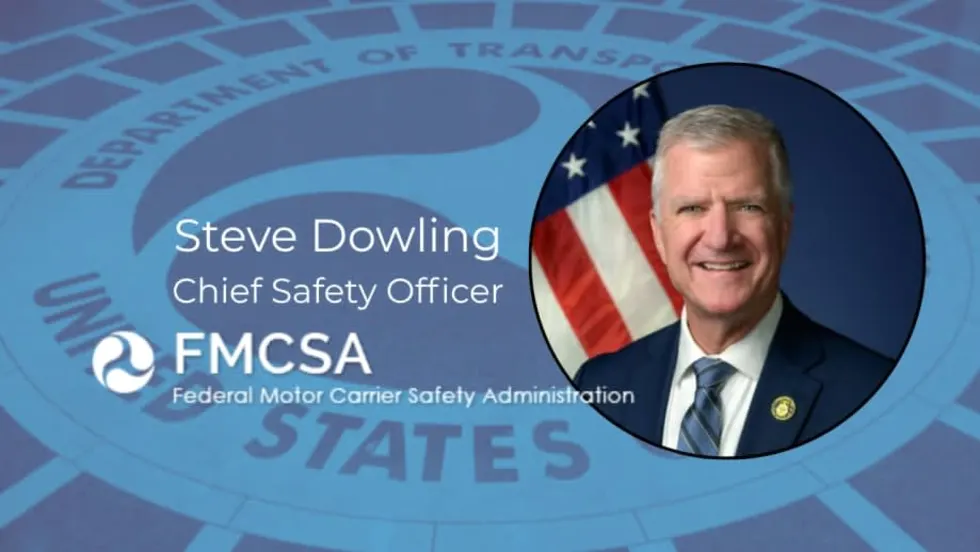
FMCSA Names New Chief Safety Officer: What School Bus Operators Should Know
Steve Dowling is set to lead the federal agency's efforts to advance commercial motor vehicle safety and reduce crashes, fatalities, and injuries on the nation's roadways.
Read More →