




Check Out: Fueling the Future: Green-Powered Technology
Propane Could Be Key to Reliable School Buses and EV Charging
After decades of reliably providing energy as a school transportation fuel, propane now also reduces emissions as an electric charging solution.
by Steve Whaley
September 13, 2023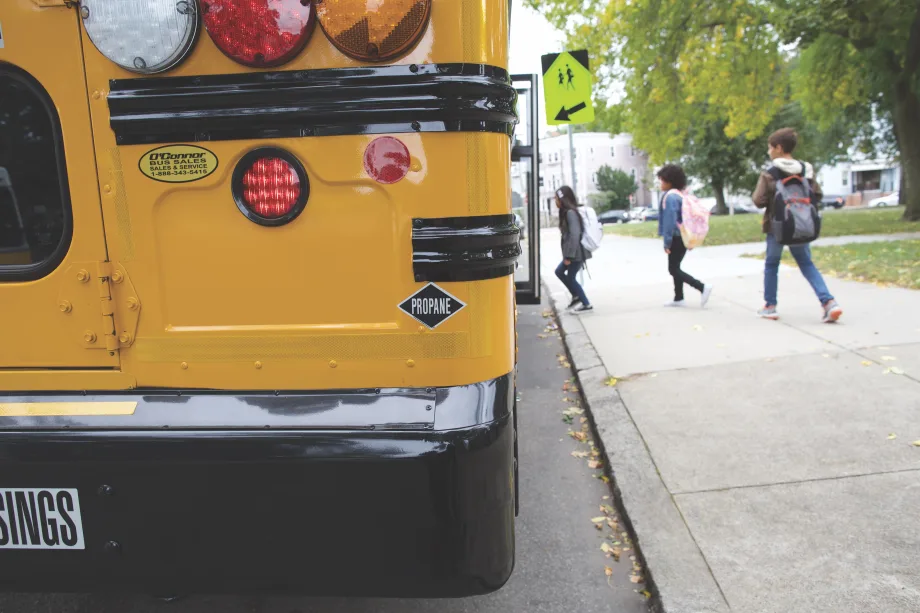
Propane can help ensure electric school buses are recharged with portable solutions.
Photo: PERC
3 min to read
The conversation around clean energy for student transportation has never been as loud as it has since the EPA announced the Clean School Bus funds. As that conversation has grown, it’s becoming more apparent than ever that it will take a diverse energy mix to quickly enact real emissions reductions in student transportation. With that in mind, more school transportation directors are implementing multiple alternative energy sources into their fleet, like propane autogas and electric, to provide a safe, clean, and healthy ride for students.
This trend has caused a demand for new technology and innovations that make operating a clean multi-fuel fleet as simple as operating one with conventional fuels. That means for a solution to be viable, it needs to be reliable, efficient, and affordable in addition to being clean.
One of the industry’s latest innovations combines each of those qualities by building off the decades of benefits propane autogas has been able to offer school districts. Thanks to microgrid technology, propane is now reducing emissions along the path to zero even further as a power generation solution for electric bus recharging infrastructure.
An example of this new technology is the portable dual-purpose standalone fueling system from Propane Fueling Solutions that can refuel propane autogas vehicles and recharge electric school buses utilizing a microgrid powered by renewable energy sources like wind, solar, and a propane-powered generator. School districts that operate both propane autogas and electric buses can realize reliable and affordable benefits from the infrastructure. Best of all, school districts can use EPA funding to apply for the infrastructure at a fraction of the cost compared to traditional charging infrastructure.
Reliability When It Matters
School districts have always been confident their propane autogas fleets will remain running even during times when the electric grid fails. While other energy sources may be out of commission, propane autogas is a portable energy source that can still be delivered when the electric grid is down, providing districts with an added layer of resiliency from interruptions. Not to mention, propane autogas school buses have a range of up to 400 miles on a single refuel, ensuring districts can run routes without worry of running out of fuel.
Similarly, because the dual-purpose standalone fueling infrastructure is self-contained and disconnected from the electric grid, transportation directors can have peace of mind that their electric buses will not be grounded. With solar and wind power alongside the propane-powered generator, electric buses can recharge regardless of the weather. The system is also portable and can be moved and installed in as little as 24 hours in areas where it’s needed most.
Cost-Effective Solutions
More than almost any other fleet type out there, it’s critically important for school districts to find a balance between being financially sustainable and environmentally sustainable. It’s one of the main reasons the EPA made billions in federal funding available to implement clean energy solutions.
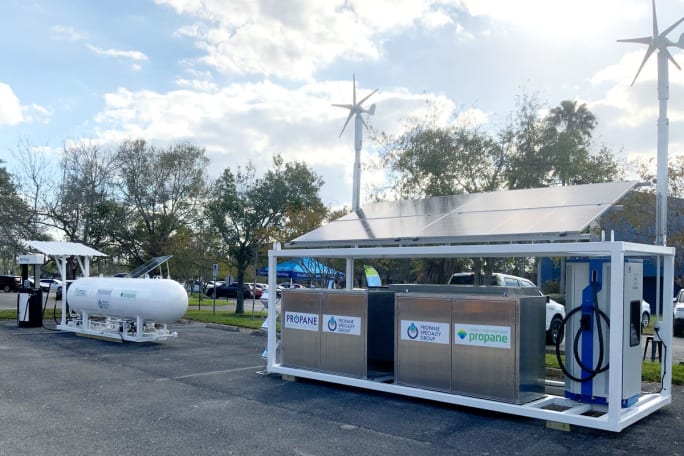
This standalone system from Propane Fueling Solutions uses a microgrid powered by renewable energy sources to refuel propane autogas and electric vehicles.
Photo: PERC
While it may seem like a dual-fuel infrastructure solution would be more costly because it offers two energy solutions, that’s not the case. Compared to traditional electric bus charging infrastructure, the dual-fuel equipment is significantly less expensive because it doesn’t require the same site prep or other costly charges that are incurred with connecting with grid infrastructure. In fact, it cuts costs by as much as 75% or more. That affordable price allows districts to stretch their Clean School Bus funds further.
As more transportation directors turn to a variety of alternative energy sources to meet the needs of their buses, solutions like the dual-fuel infrastructure will make operating a 100% clean fleet possible. It’s through innovative solutions like this that school transportation will continue to move further down the path to zero emissions.
Steve Whaley is the director of autogas business development for the Propane Education & Research Council. He can be reached at stephen.whaley@propane.com. Visit Propane.com for more information. This column was written and edited according to School Bus Fleet editorial standards and style. Opinions expressed may not reflect that of SBF.
Subscribe to Our Newsletter
More Blog Posts

The Sound of Summer Starting [Guest Editorial]
That unmistakable school bus rumble? It carries childhood memories, community routines, and a whole lot of unseen work behind the scenes.
Read More →
The Technology Power Combo That Enables EV Charging on Difficult Sites
As the pace of fleet electrification increases and charging infrastructure continues to pose challenges, many fleets find themselves puzzling over the question: how do I install charging infrastructure faster and more cost-efficiently?
Read More →
Trip Sheet: Farewell, Faithful Readers – Keep on Rolling
Executive Editor Wes Platt offers parting thoughts as he parks the School Bus Fleet bus to focus on ultra-local community journalism, making way for someone else to take the wheel as the pupil transportation industry continues to evolve.
Read More →
Trip Sheet: School Transportation Pros Can Champion Children's Mental Health
Children's Mental Health Awareness Day underscores the significance of school bus drivers in fostering supportive environments during students' journeys. SAMHSA's initiatives, including stigma reduction and access to resources, complement the Biden-Harris administration's funding efforts to enhance youth mental health services and workforce development.
Read More →
Trip Sheet: Is It Time for Daylight Saving Time to Clock Out?
How do you think the potential shift to permanent Daylight Saving Time or standard time would impact our daily lives and routines, especially considering the divided approach across various states?
Read More →
Trip Sheet: Meeting a Hero in My Own Back Yard
I remain impressed by the matter-of-fact heroism that’s often demonstrated by school bus drivers like Deona Washington who are caught in these situations where the best of us might lose our cool and panic. But, then again, bus drivers are a unique breed.
Read More →
Trip Sheet: 3 Takeaways from the EPA Clean School Bus Grant Program
Most applicants sought grant funding to acquire electric school buses, with propane coming in a distant second. No one indicated plans to purchase compressed natural gas (CNG) buses in this round. That’s not terribly surprising, I suppose, given how few school districts listed the inclusion of CNG buses in their fleets for our 2023 top district fleets survey.
Read More →
Trip Sheet: Let's Get Rolling: What's Coming in 2024?
Calendar pages keep flipping toward the mandates set in states like New York and California to transition their school bus fleets from diesel to zero-emission, but there’s plenty of reluctance and pushback.
Read More →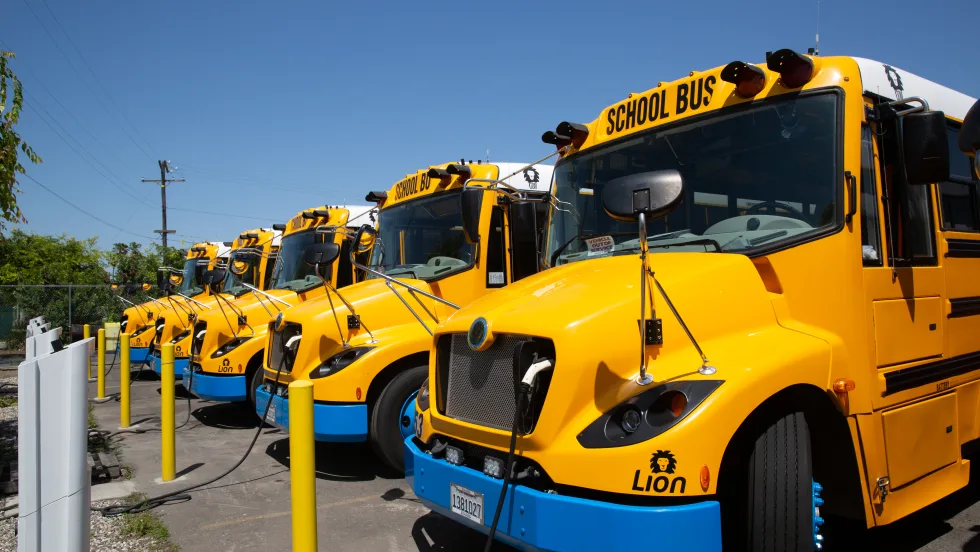
California School Children Ride in Green School Buses
Today, California prides itself on utilizing the most zero-emission (ZE) school buses in the country with over 1,689 being used by California school districts; and while the state is on a positive health trajectory thanks to a decree to eliminate gas and diesel vehicles, more work needs to be done to improve children’s well-being.
Read More →
Behind The Wheel of Childrens’ Safety Aboard the School Bus
Bus drivers are the primary caretakers of children during their commute and thus bear responsibility for their safety. By prioritizing proper operating procedures, maintenance checks, and additional precautions, drivers can help avoid the loss of precious young lives under their care.
Read More →