




Heroes at the Wheel: When School Bus Drivers Save the Day
Behind The Wheel of Childrens’ Safety Aboard the School Bus
Bus drivers are the primary caretakers of children during their commute and thus bear responsibility for their safety. By prioritizing proper operating procedures, maintenance checks, and additional precautions, drivers can help avoid the loss of precious young lives under their care.
by Steven M. Gursten, Special to SBF
December 26, 2023
Steven M. Gursten is an attorney who owns the Michigan Auto Law firm.
Image: Canva
8 min to read
When parents wave goodbye to their kids in the morning, they trust school bus drivers to see those children safely to school and back home. Drivers occupy a position of tremendous responsibility and duty of care to vulnerable passengers. By honing skills, concentrating fully, and preparing for emergencies, drivers can live up to their immense responsibility.
Recent events, unfortunately, highlight the need for change within the bus-driving industry. In New Jersey, a 6-year-old disabled student tragically passed away after being left unsupervised while being transported on the school bus.
Events like this happen more often than many believe, with a staggering average of 111 deaths yearly due to school bus accidents.
Bus drivers are the primary caretakers of children during their commute and thus bear responsibility for their safety. By prioritizing proper operating procedures, maintenance checks, and additional precautions, drivers can help avoid the loss of precious young lives under their care.
Ensuring Student Safety Through Proper Training
With over 26 million students relying on the school bus system in the U.S., ensuring the safety of students on the bus is paramount. Implementing proper training programs for bus drivers is critical.
While many drivers undergo initial training before they start their jobs, it is essential for ongoing training and education to be provided to keep up-to-date with the latest safety protocols. These training programs should cover various crucial topics, including defensive driving courses, special needs and disability training, and safety drills and exercises.
Bus drivers can enhance their skills and knowledge to handle various on-road challenges by incorporating defensive driving courses into the training curriculum.
These courses provide valuable insights into defensive driving strategies, hazard recognition, and appropriate responses to ensure the safety of the driver and the passengers.
To cater to the diverse needs of students with disabilities, bus drivers should receive specialized training. This training equips them with the necessary knowledge and understanding of the unique requirements and challenges faced by students with special needs. By being trained in proper techniques for assisting students with disabilities, bus drivers can create a safe and inclusive environment for all passengers and prevent tragedies.
Bus drivers should participate in regular safety drills and exercises to maintain preparedness and proactively address potential emergencies. These drills can simulate various scenarios, such as fire emergencies, severe weather conditions, or dealing with unruly behavior. By practicing these procedures, bus drivers can confidently respond to unexpected situations, ensuring the safety and well-being of the students on board.
The Importance of Inspections and Fleet Maintenance
To maintain a high level of safety for students, prioritizing bus inspections and maintenance is critical. By implementing pre-trip and post-trip inspections, regular maintenance and repairs, and installing safety technology like cameras, we can significantly enhance the safety standards of school buses and considerably reduce the risk of accidents or injuries.
Drivers should conduct thorough pre-trip inspections to identify potential issues before starting their routes. This includes checking the tires, brakes, lights, signals, mirrors, and all other essential bus components. Similarly, drivers should perform post-trip checks to ensure the bus remains in optimal condition for the next trip. These checks help promptly identify and address any mechanical problems or maintenance needs, reducing the risk of breakdowns or accidents during transportation.
Implementing a regular maintenance schedule is essential to keep school buses in a safe and operational state. This involves adhering to manufacturer-recommended maintenance intervals for tasks such as oil changes, filter replacements, and engine tune-ups. Prompt repairs should be carried out for any identified issues or damage.
Proactive maintenance and timely repairs improve students’ safety and prolong the bus's operational lifespan.
School buses should be equipped with safety technologies such as cameras to enhance student safety and monitor driver behavior. Video surveillance systems inside and outside the bus can deter misconduct, aggression, or bullying, ensuring a harmonious and secure environment. Additionally, these cameras can provide crucial evidence in case of accidents or incidents, aiding in investigations and determining liability.
Focus on Road Safety
With over two thousand school bus accidents occurring within the past 10 years, bus drivers must exercise caution and maintain a focused mindset on the road. This can be achieved by adhering to all traffic laws and eliminating distractions.
From 2010 to 2020, school bus accidents accounted for 38% of all fatal crashes involving large trucks or buses.
Bus drivers should prioritize the safety of their passengers by strictly adhering to all traffic laws. This includes following speed limits, obeying traffic signals, and yielding to pedestrians, among other regulations. By being responsible and law-abiding drivers, bus drivers set an example for others on the road and help create a safe environment for everyone.
Distracted driving poses a significant risk to the safety of students on board school buses. Ensuring the safety of students on school buses requires bus drivers to prioritize attentive and safe driving practices. Bus drivers should eliminate all distractions, such as using mobile devices, eating, or engaging in other activities diverting their attention from the road. By removing distractions and maintaining a hyper-awareness of their surroundings, drivers can effectively mitigate potential risks and protect the well-being of their passengers.
By exercising caution, adhering to traffic laws, eliminating distractions, and being hyperaware of their surroundings, bus drivers play a crucial role in ensuring the safety of students on school buses. Let us prioritize the well-being of students by maintaining focus and practicing safe driving habits at all times.
Efficient Emergency Response on the School Bus
When emergencies occur on school buses, bus drivers must respond quickly and effectively to ensure the safety and well-being of their passengers. Bus drivers can handle emergencies competently and professionally by carrying essential safety equipment like first aid kits, promptly calling for help, administering first aid if trained, and keeping children calm and contained.
Bus drivers should ensure they have well-stocked first aid kits readily available. These kits should include basic medical supplies to provide immediate assistance in case of injuries or medical emergencies. With access to essential safety equipment, drivers can promptly attend to medical needs and stabilize the situation until professional help arrives.
In an emergency, bus drivers should prioritize calling for help immediately. Whether contacting emergency services or reporting the incident to the school or transportation authorities, prompt communication can expedite the arrival of appropriate support and resources.
If bus drivers have received proper first aid training, they should confidently and responsibly administer necessary medical assistance within their scope of practice. This may include providing CPR, treating minor wounds, or managing injuries until medical professionals arrive. The ability to administer first aid can significantly impact the outcome of an emergency, minimizing harm and potentially saving lives.
During emergencies, bus drivers must maintain a calm and composed demeanor. They should reassure and console the children, providing clear instructions to keep them safe and contained. By remaining composed, drivers can help prevent panic or further escalation of the situation, ensuring the well-being of all passengers.
By carrying safety equipment like first aid kits, promptly calling for help, administering first aid if trained, and keeping children calm and contained, bus drivers demonstrate their preparedness and dedication to safety. Their timely and efficient response in emergencies plays a significant role in minimizing the impact of unforeseen events and maintaining the well-being of everyone on board the school bus.
Consistent Policies and Personnel for the School Bus
Implementing updated policies and procedures is essential to ensure the highest level of safety for students on school buses. We can enhance safety by focusing on key areas such as consistently assigned drivers, loading/unloading procedures, and clear communication with schools regarding specific needs.
Assigning consistent drivers to specific routes can significantly contribute to student safety. Familiarity with the route, students, and any student needs or concerns enables drivers to navigate effectively and build rapport with the students they transport. This consistency allows for better understanding and management of potential risks or emergencies, improving overall safety.
Establishing standardized loading and unloading procedures is crucial to mitigate risks during these transition periods. School bus drivers should follow proper protocols, such as ensuring students are seated before the bus is in motion and providing clear signals for safe embarkation and disembarkation. Maintaining organized and efficient loading/unloading processes can significantly reduce the potential for accidents or incidents.
Maintaining open lines of communication with schools is essential in addressing specific needs and ensuring student safety. Bus drivers should actively engage with school staff, gaining insights into any individual requirements, medical conditions, or behavioral concerns that may impact the safety and well-being of students during transportation.
By understanding and accommodating these needs, drivers can effectively respond to situations and provide a secure environment for all students.
By implementing updated policies and procedures, we can further strengthen the safety measures within the school bus transportation system. These measures promote efficiency, reduce potential risks, and instill confidence in students, parents, and educators that their well-being is a top priority.
Building Positive Relationships with Students
To promote a safe and supportive environment on school buses, bus drivers should establish positive relationships with the students they transport. This can be achieved by learning student names, treating all children respectfully, and demonstrating patience and compassion, even in difficult situations.
Taking the time to learn and use the students' names helps to create a sense of familiarity and connection. Addressing students by their names shows that the bus driver values and respects them as individuals. This simple gesture can help build trust and establish a positive relationship with the students.
Respect is a fundamental aspect of fostering positive relationships. Bus drivers should treat all students respectfully, regardless of age, background, or behavior. By modeling respectful behavior, drivers set a standard for how students should treat each other and promote a culture of mutual respect.
Patience and compassion are essential qualities. Bus drivers should be understanding and patient when dealing with challenging situations or behavioral issues that may arise during the journey. Demonstrating empathy and compassion can help diffuse tense situations and create a sense of safety and understanding aboard the bus.
Partnering with Schools and Parents for Safety
Ensuring the safety of students on school buses requires a collaborative effort between bus drivers, schools, and parents. By partnering with schools and parents, we can collectively prioritize the safety of students.
Ongoing communication, collaboration, and a shared commitment to student well-being are vital to creating a safe and nurturing environment on and off the school bus.
Let us continue working together to ensure every student's safe and positive journey.
Steven M. Gursten is an attorney who owns the Michigan Auto Law firm. This column was written and edited according to School Bus Fleet editorial standards and style. Opinions expressed may not reflect that of SBF.
Subscribe to Our Newsletter
More Blog Posts
The Sound of Summer Starting [Guest Editorial]
That unmistakable school bus rumble? It carries childhood memories, community routines, and a whole lot of unseen work behind the scenes.
Read More →
The Technology Power Combo That Enables EV Charging on Difficult Sites
As the pace of fleet electrification increases and charging infrastructure continues to pose challenges, many fleets find themselves puzzling over the question: how do I install charging infrastructure faster and more cost-efficiently?
Read More →
Trip Sheet: Farewell, Faithful Readers – Keep on Rolling
Executive Editor Wes Platt offers parting thoughts as he parks the School Bus Fleet bus to focus on ultra-local community journalism, making way for someone else to take the wheel as the pupil transportation industry continues to evolve.
Read More →
Trip Sheet: School Transportation Pros Can Champion Children's Mental Health
Children's Mental Health Awareness Day underscores the significance of school bus drivers in fostering supportive environments during students' journeys. SAMHSA's initiatives, including stigma reduction and access to resources, complement the Biden-Harris administration's funding efforts to enhance youth mental health services and workforce development.
Read More →
Trip Sheet: Is It Time for Daylight Saving Time to Clock Out?
How do you think the potential shift to permanent Daylight Saving Time or standard time would impact our daily lives and routines, especially considering the divided approach across various states?
Read More →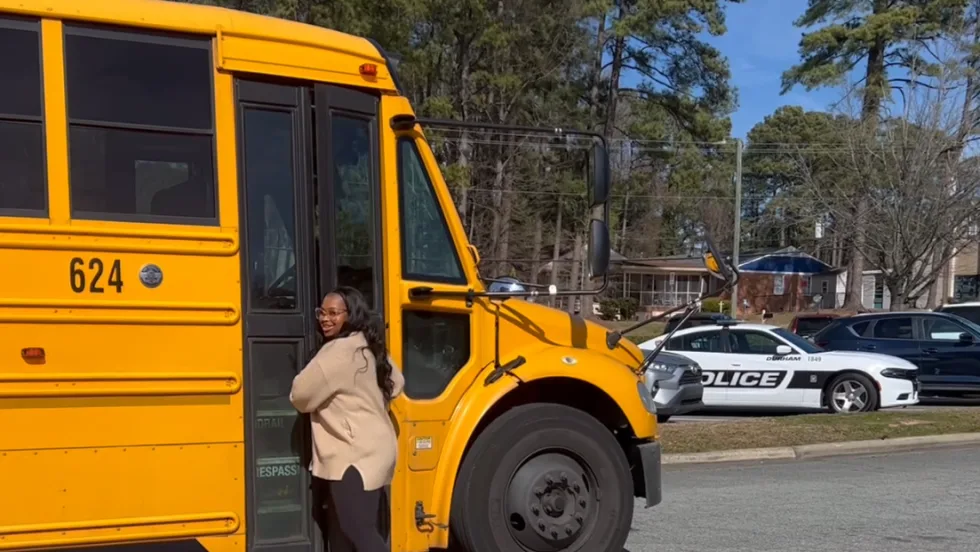
Trip Sheet: Meeting a Hero in My Own Back Yard
I remain impressed by the matter-of-fact heroism that’s often demonstrated by school bus drivers like Deona Washington who are caught in these situations where the best of us might lose our cool and panic. But, then again, bus drivers are a unique breed.
Read More →
Trip Sheet: 3 Takeaways from the EPA Clean School Bus Grant Program
Most applicants sought grant funding to acquire electric school buses, with propane coming in a distant second. No one indicated plans to purchase compressed natural gas (CNG) buses in this round. That’s not terribly surprising, I suppose, given how few school districts listed the inclusion of CNG buses in their fleets for our 2023 top district fleets survey.
Read More →
Trip Sheet: Let's Get Rolling: What's Coming in 2024?
Calendar pages keep flipping toward the mandates set in states like New York and California to transition their school bus fleets from diesel to zero-emission, but there’s plenty of reluctance and pushback.
Read More →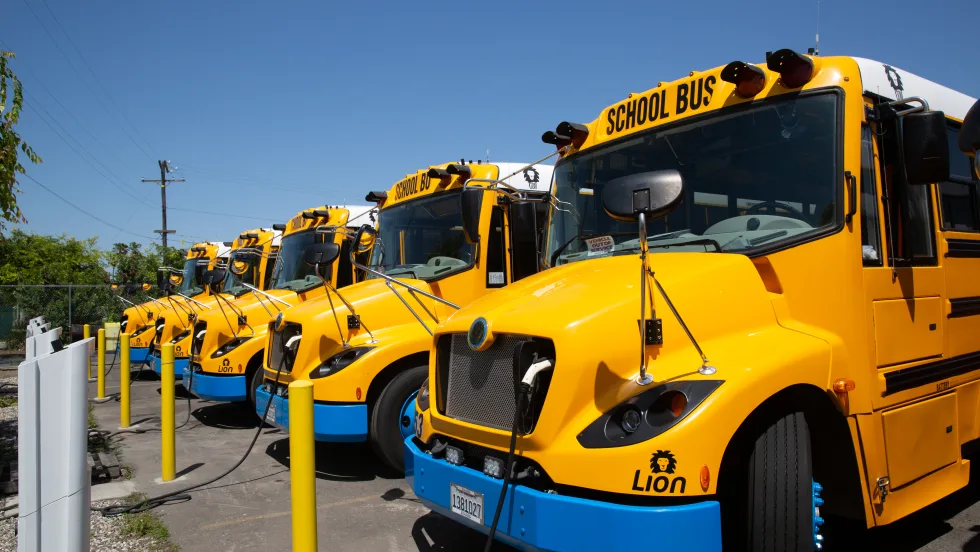
California School Children Ride in Green School Buses
Today, California prides itself on utilizing the most zero-emission (ZE) school buses in the country with over 1,689 being used by California school districts; and while the state is on a positive health trajectory thanks to a decree to eliminate gas and diesel vehicles, more work needs to be done to improve children’s well-being.
Read More →
Trip Sheet: Looking Ahead - Navigating Around Vehicle Automation
FMCSA proposes to amend certain Federal Motor Carrier Safety Regulations (FMCSRs) to ensure the safe introduction of automated driving systems (ADS)-equipped commercial motor vehicles (CMVs) onto the nation’s roadways. The proposed changes to the CMV operations, inspection, repair, and maintenance regulations prioritize safety and security, promote innovation, foster a consistent regulatory approach to ADS-equipped CMVs, and recognize the difference between human operators and ADS.
Read More →