




Trip Sheet: School Transportation Pros Can Champion Children's Mental Health
Children's Mental Health Awareness Day underscores the significance of school bus drivers in fostering supportive environments during students' journeys. SAMHSA's initiatives, including stigma reduction and access to resources, complement the Biden-Harris administration's funding efforts to enhance youth mental health services and workforce development.

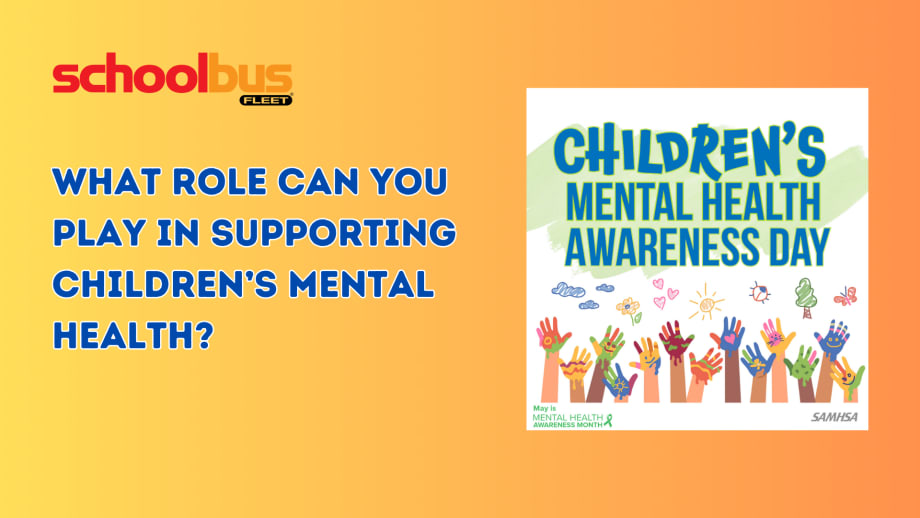
An estimated 1 in 5 youth has a diagnosable mental, emotional, or behavioral disorder – and many don’t get the help they need.
Source: Canva/SAMHSA
The journey to and from school is often a child's first taste of independence, a space where friendships are forged and memories are made. Yet, for some children, it can also be a source of anxiety, stress, or isolation. School bus drivers can serve as the reassuring presence that bridges the gap between home and school, offering a sense of security and familiarity during these potentially vulnerable moments.
On this Children’s Mental Health Awareness Day, it’s important to recognize the critical role school transportation professionals can play in providing a supportive atmosphere to the students in their care.
For 20 years, the Substance Abuse and Mental Health Services Administration has recognized Children’s Mental Health Awareness Day. The agency reports that an estimated 1 in 5 youth has a diagnosable mental, emotional, or behavioral disorder – and many don’t get the help they need. SAMHSA’s youth programs focus on promoting wellness and the prevention, treatment, and recovery of mental health and substance use from early childhood to young adulthood.
5 Positive Paths to Improved Student Mental Health
Here are five things to keep in mind today – and every day, really – when it comes to improving mental health outcomes for young people:
Stigma reduction: Addressing the stigma associated with mental health is crucial. Encouraging open conversations about mental health in schools, families, and communities helps normalize seeking help and support for mental health challenges.
Access to resources: Ensuring that children and families have access to mental health resources is essential. This includes access to mental health professionals, counseling services, support groups, and educational materials tailored to children and their caregivers.
Early intervention: Recognizing the signs of mental health issues early can prevent them from escalating into more serious problems later in life. Promoting awareness of common mental health issues in children and providing resources for early intervention and support can make a significant difference in their long-term well-being.
Promotion of resilience: Building resilience in children is key to supporting their mental health. Teaching coping skills, emotional regulation techniques, and promoting healthy lifestyle habits can help children develop the skills they need to navigate challenges and bounce back from adversity.
Inclusive approaches: Recognizing and addressing the unique mental health needs of diverse populations, including children from different cultural backgrounds, LGBTQ+ youth, children with disabilities, and those from low-income families, is essential. Ensuring that mental health awareness efforts are inclusive and culturally sensitive helps to reach all children who may need support.
New Funding Opportunities for Youth Mental Health
The Biden-Harris administration this month rolled out $46.8 million in behavioral health funding opportunities. Key takeaways from the announcement include:
Enhanced access to youth mental health services: The announced funding opportunities allocate a significant portion to support youth mental health initiatives. This investment aims to improve access to culturally competent behavioral care for children and adolescents across the nation. By focusing on early intervention strategies and suicide prevention programs in various settings such as schools, juvenile justice systems, and pediatric health programs, children should have better access to the mental health support they need.
Strengthening the behavioral health workforce: Another key takeaway is the emphasis on growing the behavioral health workforce through funding for training and technical assistance programs. By investing in programs like the Minority Fellowship Program and Addiction Technology Transfer Centers Cooperative Agreements, the administration aims to enhance the capacity and cultural competency of behavioral health practitioners. This not only addresses health disparities but also ensures that underserved populations receive high-quality care from professionals trained to meet their unique needs.
Integration of behavioral and physical health care: By fostering regional and national alliances among practitioners and organizations, these initiatives aim to promote a holistic approach to healthcare delivery. This integration is essential for addressing the complex needs of individuals with co-occurring physical and behavioral health conditions, ultimately improving health outcomes and overall well-being.
Other Grant Programs Benefiting Youth Mental Health
SAMHSA also is investing more than $550 million in children’s mental health this fiscal year, including more than $110 for Project AWARE (Advancing Wellness and Resiliency in Education), which helps schools develop sustainable infrastructure for school-based mental health programs.
SAMHSA’s other grant programs this year include:
Cooperative Agreements for School-Based Trauma-Informed Support Services (TISS) and Mental Health Care for Children and Youth, which helps increase student access to evidence-based and culturally relevant trauma support services and mental health care.
Project Linking Actions for Unmet Needs in Children's Health (Project LAUNCH), which helps to screen and assess young children and provide mental health consultation in early care and educational settings.
National Child Traumatic Stress Initiative (NCTSI), which improves treatment and services for children, adolescents, and families who have experienced traumatic events.
Resiliency in Communities After Stress and Trauma (ReCAST), which helps youth and their families and promotes resilience and equity in communities that have experienced civil unrest, community violence and collective trauma.
Mental Health Awareness Training, which provides mental health literacy and training to support youth and their families.
If you or someone you know is struggling or in crisis, help is available. Call or text 988 or chat at 988lifeline.org. To learn how to get support for mental health, drug, or alcohol issues, visit FindSupport.gov. If you are ready to locate a treatment facility or provider, you can go directly to FindTreatment.gov or call 800-662-HELP (4357).
More Blog Posts

The Sound of Summer Starting [Guest Editorial]
That unmistakable school bus rumble? It carries childhood memories, community routines, and a whole lot of unseen work behind the scenes.
Read More →
The Technology Power Combo That Enables EV Charging on Difficult Sites
As the pace of fleet electrification increases and charging infrastructure continues to pose challenges, many fleets find themselves puzzling over the question: how do I install charging infrastructure faster and more cost-efficiently?
Read More →
Trip Sheet: Farewell, Faithful Readers – Keep on Rolling
Executive Editor Wes Platt offers parting thoughts as he parks the School Bus Fleet bus to focus on ultra-local community journalism, making way for someone else to take the wheel as the pupil transportation industry continues to evolve.
Read More →
Trip Sheet: Is It Time for Daylight Saving Time to Clock Out?
How do you think the potential shift to permanent Daylight Saving Time or standard time would impact our daily lives and routines, especially considering the divided approach across various states?
Read More →
Trip Sheet: Meeting a Hero in My Own Back Yard
I remain impressed by the matter-of-fact heroism that’s often demonstrated by school bus drivers like Deona Washington who are caught in these situations where the best of us might lose our cool and panic. But, then again, bus drivers are a unique breed.
Read More →
Trip Sheet: 3 Takeaways from the EPA Clean School Bus Grant Program
Most applicants sought grant funding to acquire electric school buses, with propane coming in a distant second. No one indicated plans to purchase compressed natural gas (CNG) buses in this round. That’s not terribly surprising, I suppose, given how few school districts listed the inclusion of CNG buses in their fleets for our 2023 top district fleets survey.
Read More →
Trip Sheet: Let's Get Rolling: What's Coming in 2024?
Calendar pages keep flipping toward the mandates set in states like New York and California to transition their school bus fleets from diesel to zero-emission, but there’s plenty of reluctance and pushback.
Read More →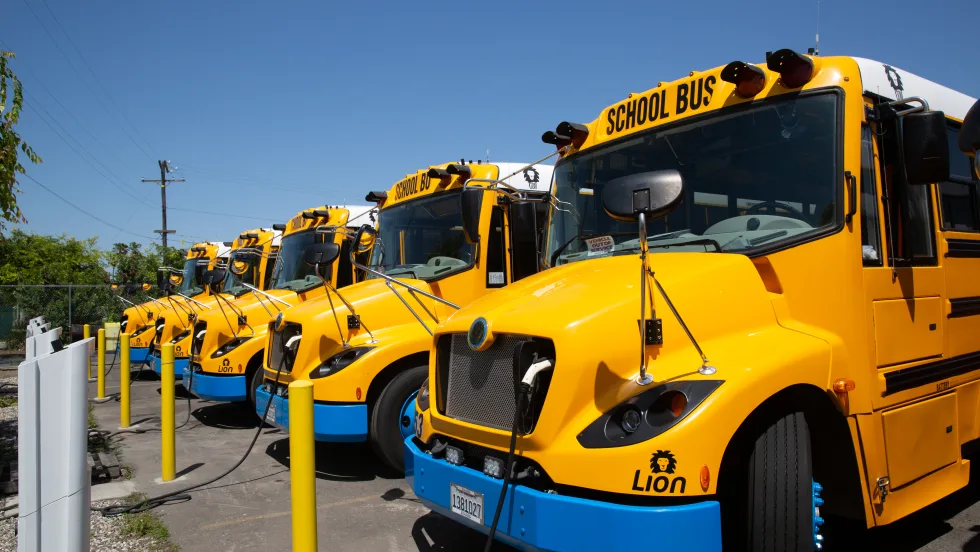
California School Children Ride in Green School Buses
Today, California prides itself on utilizing the most zero-emission (ZE) school buses in the country with over 1,689 being used by California school districts; and while the state is on a positive health trajectory thanks to a decree to eliminate gas and diesel vehicles, more work needs to be done to improve children’s well-being.
Read More →
Behind The Wheel of Childrens’ Safety Aboard the School Bus
Bus drivers are the primary caretakers of children during their commute and thus bear responsibility for their safety. By prioritizing proper operating procedures, maintenance checks, and additional precautions, drivers can help avoid the loss of precious young lives under their care.
Read More →
Trip Sheet: Looking Ahead - Navigating Around Vehicle Automation
FMCSA proposes to amend certain Federal Motor Carrier Safety Regulations (FMCSRs) to ensure the safe introduction of automated driving systems (ADS)-equipped commercial motor vehicles (CMVs) onto the nation’s roadways. The proposed changes to the CMV operations, inspection, repair, and maintenance regulations prioritize safety and security, promote innovation, foster a consistent regulatory approach to ADS-equipped CMVs, and recognize the difference between human operators and ADS.
Read More →