




A tribute to the school bus builders
It’s not just what the plant staff members do; it’s how they do it. There seems to be a great sense of pride and fulfillment in their work. Indeed, they’re building one of the safest vehicles on the road — a vehicle that millions of schoolchildren rely on to get ...

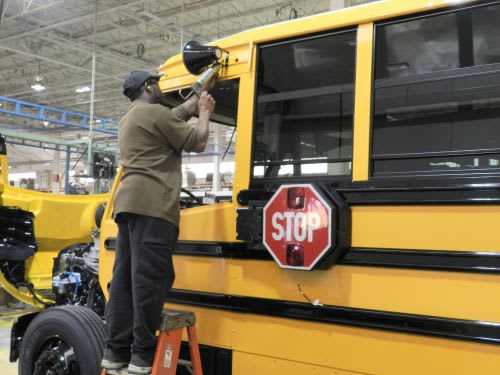
School bus plant workers build one of the safest vehicles on the road — a vehicle that millions of schoolchildren rely on to get to school. Pictured is a staff member at Thomas Built Buses' C2 plant in High Point, N.C.
Pupil transportation is a behind-the-scenes kind of industry.
It’s full of hard-working people who do their jobs not for fame and glory, but for the shared purposes of protecting our nation’s students and contributing to their education. Many in the public have no idea how many dedicated people in different roles are involved in facilitating a safe school transportation system.
We at SBF try to give recognition where it’s due. We’ve written about bus drivers’ and aides’ life-saving efforts in our Heroes in School Transportation series. We’ve shared technicians’ and fleet managers’ successes in our Top Shops profiles. And for decades, we’ve been honoring a worthy Administrator of the Year and Contractor of the Year.
There’s one segment of the pupil transportation workforce that we haven’t recognized as often as others but that is nevertheless among the most important — without them, there would be no yellow buses. That’s the folks who work in the industry’s school bus manufacturing plants.
Elaborate process
Last year, I visited two bus plants, and I was fascinated and impressed by what I saw. The size and complexity of the assembly lines is a sight to behold — so many people working on specific tasks until, a mile or so down the line, a finished school bus is ready to roll.
But it’s not just what the plant staff members do; it’s how they do it. There seems to be a great sense of pride and fulfillment in their work. Indeed, they’re building one of the safest vehicles on the road — a vehicle that millions of schoolchildren rely on to get to and from school each day.
We’ve also seen that many school bus plant employees are willing to go beyond their duties to make a difference in the lives of others.
For example, after the devastating tornadoes that struck Oklahoma this spring, the more than 800 employees at IC Bus’ Tulsa facility rallied to collect as many school supplies and other essential care items as possible in a week.
The company donated a Tulsa-built RE Series bus to Moore Public Schools. Plant staff filled the bus with the supplies, which were donated to the Oklahoma City Salvation Army. Also, IC Bus parent Navistar contributed $10,000 to Moore Public Schools to assist in its rebuilding efforts.
Staff members at Blue Bird Corp. also pitched in to help those in need in Oklahoma. The company and its employees donated $10,000 to six Moore school bus drivers whose homes were destroyed by the tornado that struck the city.
Blue Bird had announced to its staff of 1,500 a forthcoming corporate donation, and employees requested to contribute their own money. The combined donation assisted the six drivers with temporary residences while their homes were being rebuilt.
Humbling experience
During the summer after I graduated from high school, I did some temp work at a plant that built another type of large vehicle: motorhomes. It was tough work, and I remember that after a week, I was ready to retire from the manufacturing business.
That experience makes me all the more appreciative of the folks who have made a career out of building yellow buses. Thanks for all you do to provide a safe ride for our students.
— Thomas McMahon, executive editor
More Blog Posts
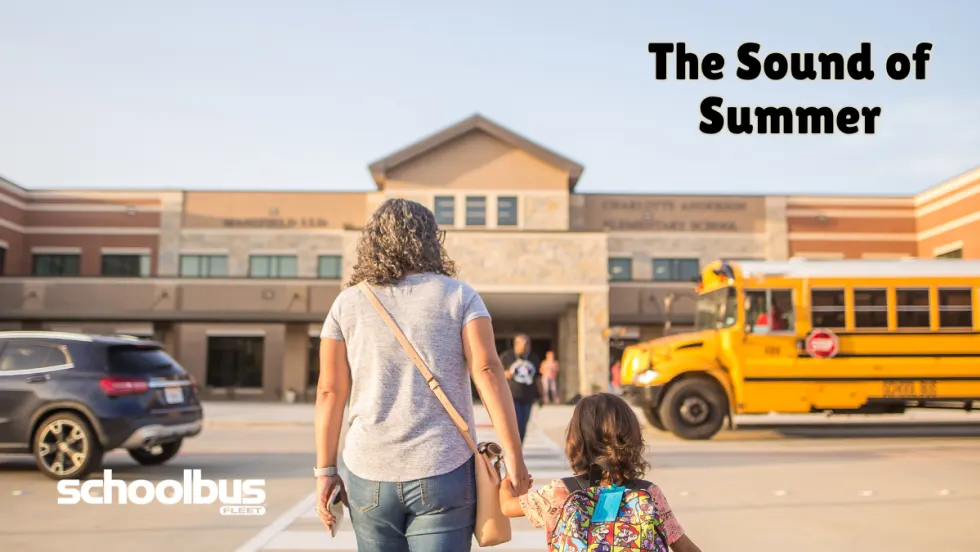
The Sound of Summer Starting [Guest Editorial]
That unmistakable school bus rumble? It carries childhood memories, community routines, and a whole lot of unseen work behind the scenes.
Read More →
The Technology Power Combo That Enables EV Charging on Difficult Sites
As the pace of fleet electrification increases and charging infrastructure continues to pose challenges, many fleets find themselves puzzling over the question: how do I install charging infrastructure faster and more cost-efficiently?
Read More →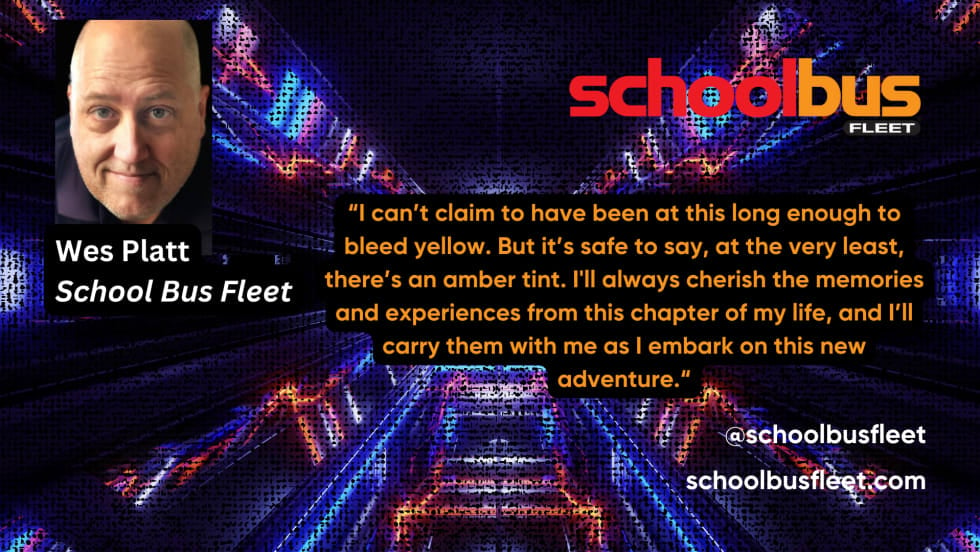
Trip Sheet: Farewell, Faithful Readers – Keep on Rolling
Executive Editor Wes Platt offers parting thoughts as he parks the School Bus Fleet bus to focus on ultra-local community journalism, making way for someone else to take the wheel as the pupil transportation industry continues to evolve.
Read More →
Trip Sheet: School Transportation Pros Can Champion Children's Mental Health
Children's Mental Health Awareness Day underscores the significance of school bus drivers in fostering supportive environments during students' journeys. SAMHSA's initiatives, including stigma reduction and access to resources, complement the Biden-Harris administration's funding efforts to enhance youth mental health services and workforce development.
Read More →
Trip Sheet: Is It Time for Daylight Saving Time to Clock Out?
How do you think the potential shift to permanent Daylight Saving Time or standard time would impact our daily lives and routines, especially considering the divided approach across various states?
Read More →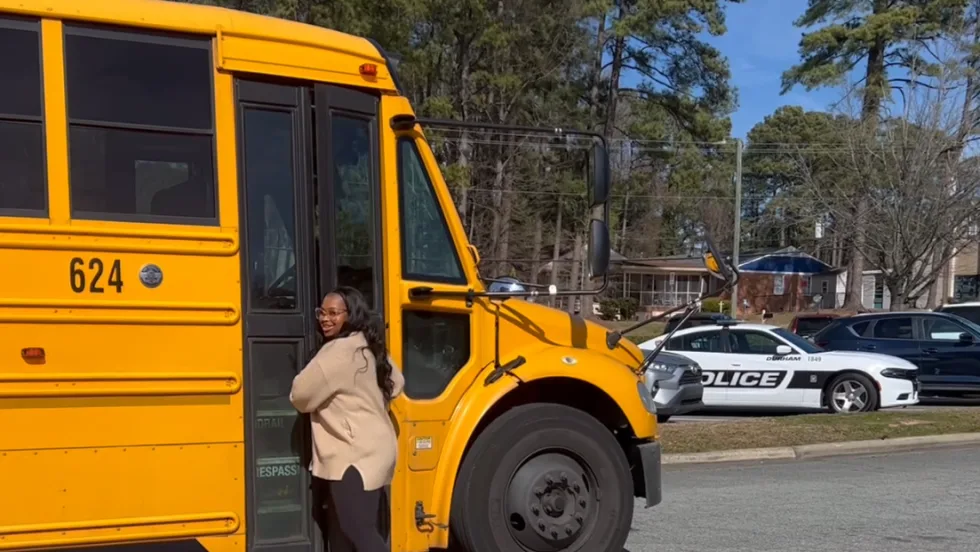
Trip Sheet: Meeting a Hero in My Own Back Yard
I remain impressed by the matter-of-fact heroism that’s often demonstrated by school bus drivers like Deona Washington who are caught in these situations where the best of us might lose our cool and panic. But, then again, bus drivers are a unique breed.
Read More →
Trip Sheet: 3 Takeaways from the EPA Clean School Bus Grant Program
Most applicants sought grant funding to acquire electric school buses, with propane coming in a distant second. No one indicated plans to purchase compressed natural gas (CNG) buses in this round. That’s not terribly surprising, I suppose, given how few school districts listed the inclusion of CNG buses in their fleets for our 2023 top district fleets survey.
Read More →
Trip Sheet: Let's Get Rolling: What's Coming in 2024?
Calendar pages keep flipping toward the mandates set in states like New York and California to transition their school bus fleets from diesel to zero-emission, but there’s plenty of reluctance and pushback.
Read More →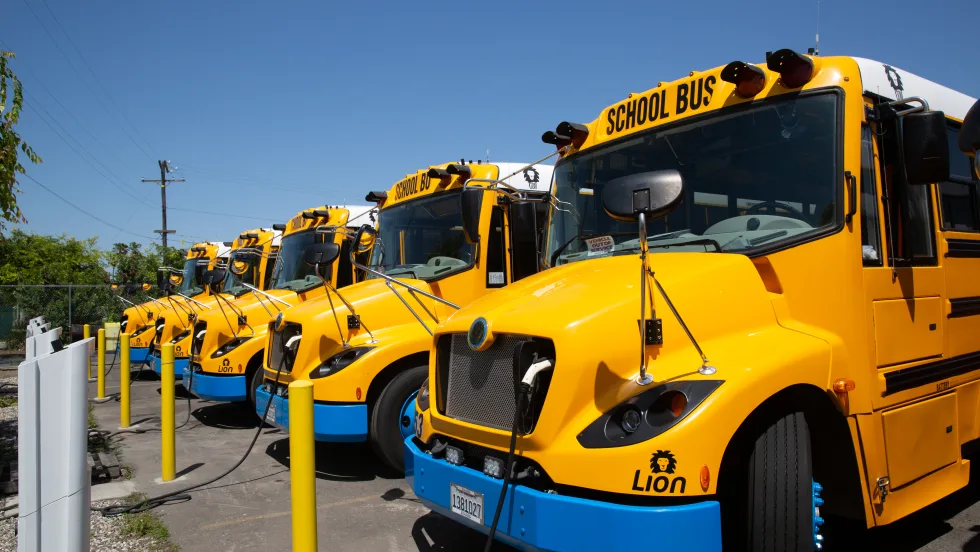
California School Children Ride in Green School Buses
Today, California prides itself on utilizing the most zero-emission (ZE) school buses in the country with over 1,689 being used by California school districts; and while the state is on a positive health trajectory thanks to a decree to eliminate gas and diesel vehicles, more work needs to be done to improve children’s well-being.
Read More →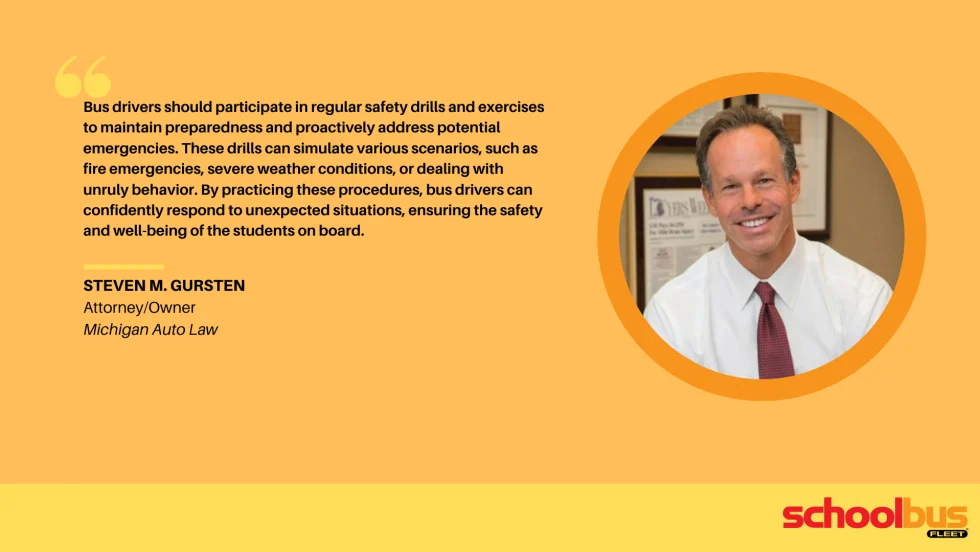
Behind The Wheel of Childrens’ Safety Aboard the School Bus
Bus drivers are the primary caretakers of children during their commute and thus bear responsibility for their safety. By prioritizing proper operating procedures, maintenance checks, and additional precautions, drivers can help avoid the loss of precious young lives under their care.
Read More →