




David Duke named Contractor of the Year
The CEO of National Express Corp. refocuses the company on its core values and oversees an acquisition that increases the fleet to more than 20,000 school buses. He aims to provide opportunities for employees to grow while attracting new people to the business, and he remains active in industry associations.

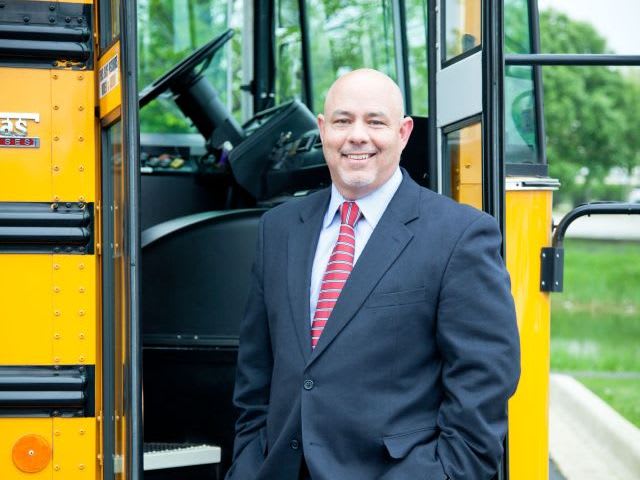
Since becoming CEO of National Express Corp. in 2011, David Duke says the company’s safety performance has continued to improve, and employee and customer feedback is positive.
When David Duke became CEO of National Express Corp. (NEC) in 2011, one of his goals was ensuring a renewed focus on NEC’s core values: safety, people, customers and community.
Now in his second year at the helm of the nation’s second largest school bus contractor, Duke says the team has achieved this.
“Our safety performance year over year has continued to improve, and I’m very proud of that,” he says. “Our customer surveys are very positive. Our employee survey results are also positive, so a lot of the right things are happening.”
NEC has also had notable safety accomplishments under Duke’s leadership. All of the company’s safety directors have become certified by the Institute for Safety and Health Management, and NEC was awarded an ANSI/AIHA Z10‐2012 Safety Management System certificate for the provision of student transportation services for one of its sites. Duke says they are rolling out the review across the company.
For his commendable efforts at NEC and in the broader pupil transportation community, SBF named Duke its 2013 Contractor of the Year.
Significant company growth
NEC has added 24 new customers over the past year, eight of which had not previously contracted their transportation needs.
Also, the company acquired Petermann Ltd., which increased NEC’s fleet to more than 20,000 school buses. Petermann joined the company’s other U.S. subsidiary, Durham School Services, and its Canadian subsidiary, Stock Transportation. (NEC is headquartered in Warrenville, Ill.)
“Petermann is a great addition to our business,” Duke says. “Our cultures were very much aligned. We both had a focus on safety and people, so it’s gone well.”
The intent of the merger was to combine the best practices from both companies to best serve customers.
An example of this is NEC’s revamped driver training program. Duke says Petermann’s driver training program was stronger than NEC’s program, so officials took the best components of both programs and worked with an outside firm to develop what Duke says is a “really solid” program.
Improvements have been made to the passenger management and behind-the-wheel aspects of the program, as well as to the overall delivery of the training material.
What’s ahead for NEC
Duke says it’s important for NEC to progress, and this involves building a learning organization, and building a data-driven business by using telematics to enable customers and stakeholders to measure NEC’s performance. He also wants to build a best-in-class maintenance organization and enhance the company’s customer service culture.
From a learning standpoint, Duke says he wants to provide tools and training opportunities for the company’s existing employees to grow, and he wants to attract new people to the business from other industries.
NEC created a manager-in-training program to better target internal candidates for opportunities.
“It includes a more focused approach to screening to ensure a better fit, and it also includes more hands-on training,” Duke explains.
To attract more people to the business, the company has successfully leveraged networking sites like LinkedIn, and Duke says there has been an effort to reach out to colleges and universities.
“We also need to make sure that we’re giving opportunities to our military veterans,” he adds. “We utilize the Military Times job posting website as a recruiting tool and also partner with local offices of the Wounded Warrior Project.”
Later this year, the company will launch the National Express Giving Foundation, which will be open for scholarships, community grants and other charitable endeavors.
“I think it’s going to be pretty powerful,” he says.
Contracting veteran
Duke’s pupil transportation career has spanned almost 30 years. He began working for Ryder System in 1985 in a finance role, and in 1988, he transferred to Ryder Student Transportation as the assistant controller.
In the early 1990s, he took on a management role on the operations side, and in 2000, he joined NEC as region vice president, overseeing all eastern operations. As the eastern area grew, he became senior vice president, and he also assumed a business development role.
“I really learned from a boots-on-the-ground standpoint what it took to deliver safe service,” Duke says of managing the company’s eastern operations. “My financial background and my business development work rounded out these responsibilities, preparing me well for my current role [as CEO].”
Association involvement
In addition to his duties at NEC, Duke is a member of the National School Transportation Association (NSTA), and he has served on the NSTA Board of Directors for the last five years. He is currently an at-large director.
“On the government relations side, I think they represent the school bus industry to make sure that some of the issues that are regulatory in nature have a voice, such as the sleep apnea issue,” he says of the benefits of being involved in the association. “It’s important to the legislative process that we’re heard. On the public relations side, I think [the advantage is] having a ‘body’ that gets our message out there in terms of what school bus service brings to the education process.”
To view more photos of David Duke and his company, check out this photo gallery.
To view past Contractor of the Year recipients, check out this photo gallery.
More Management

EverDriven Launches Route Consolidation Calculator to Estimate Diesel Savings
As diesel prices hit record highs, the largest alternative transportation provider says a 10% route consolidation could save a 120-route district more than $78,000 a year in fuel alone.
Read More →
Zum Secures Continued Financing Support for School Bus Expansion
Generate Private Credit has financed approximately $75 million in school bus deployments across three states, supporting more than 500 buses as Zum expands across the county.
Read More →
Beyond Discipline: A Different Approach to Student Behavior on the Bus
After implementing a dean of students program in Oregon, North Clackamas is seeing positive improvements. Here’s how it worked. The Route is brought to you by IC Bus.
Read More →
A Dean of Transportation's Different Approach to Student Behavior on the School Bus
After implementing a dean of students program in Oregon, North Clackamas is seeing positive improvements on the bus. Here’s how it worked.
Read More →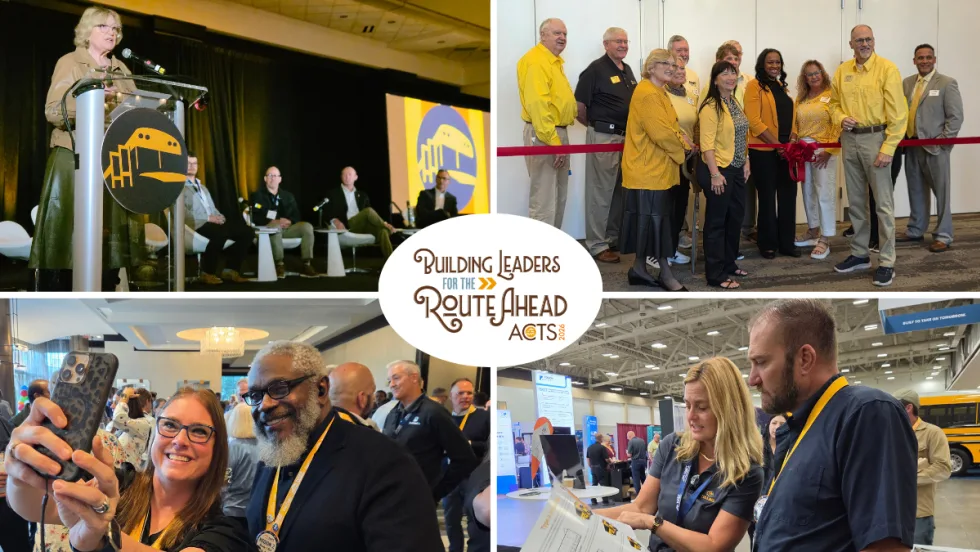
Inside NAPT ACTS 2026: Highlights from Louisville
From federal updates and student behavior strategies to new school bus technology and industry awards, see highlights from NAPT ACTS 2026 in Louisville.
Read More →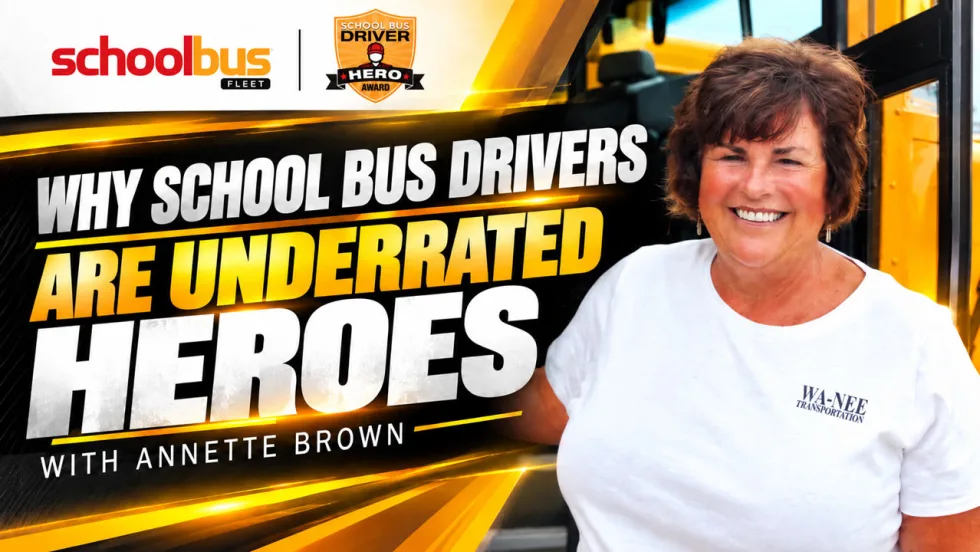
Meet the 2025 School Bus Driver Hero Winner: Annette Brown
We caught up with Wa-Nee Community Schools' Annette Brown on site at SBFX, where she was named the 2026 School Bus Driver Hero Award winner. Hear about her reaction, what she loves most about being a school bus driver, and more!
Read More →
Predictability Is Like Ketchup (According to 6-Year-Olds)
To students, a different school bus can feel like a full-blown crisis. One driver reflects on why familiar routines, showing up on time, and being reliably boring matter more than we think.
Read More →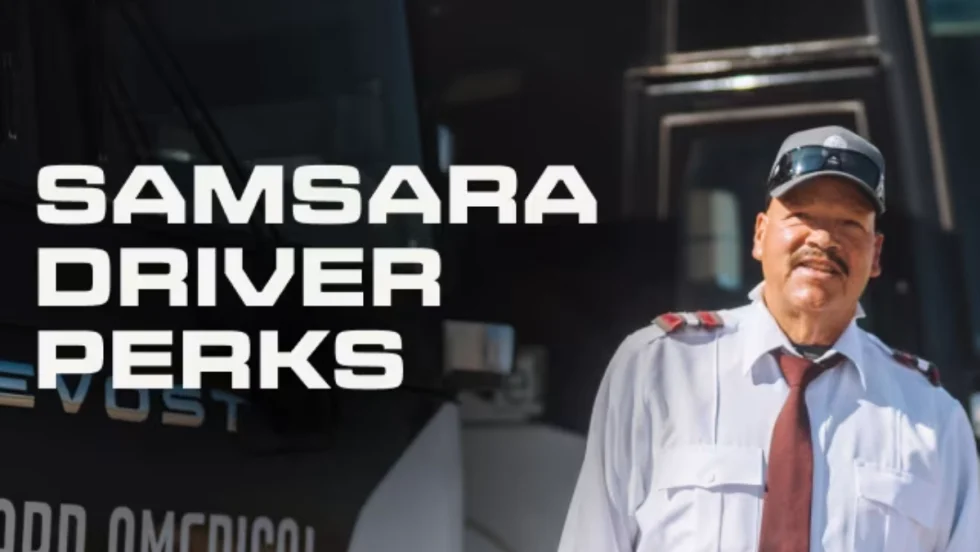
Samsara Launches Free Driver Rewards Program
The new Driver Perks program gives eligible professional drivers access to discounts and offers without adding a cost for participating fleets.
Read More →
How Tax-Exempt Municipal Leases Can Help Finance School Buses
Let’s explore school bus financing options, including municipal leases, vendor payable accounts, and balloon payments, and how they can help stretch fleet budgets.
Read More →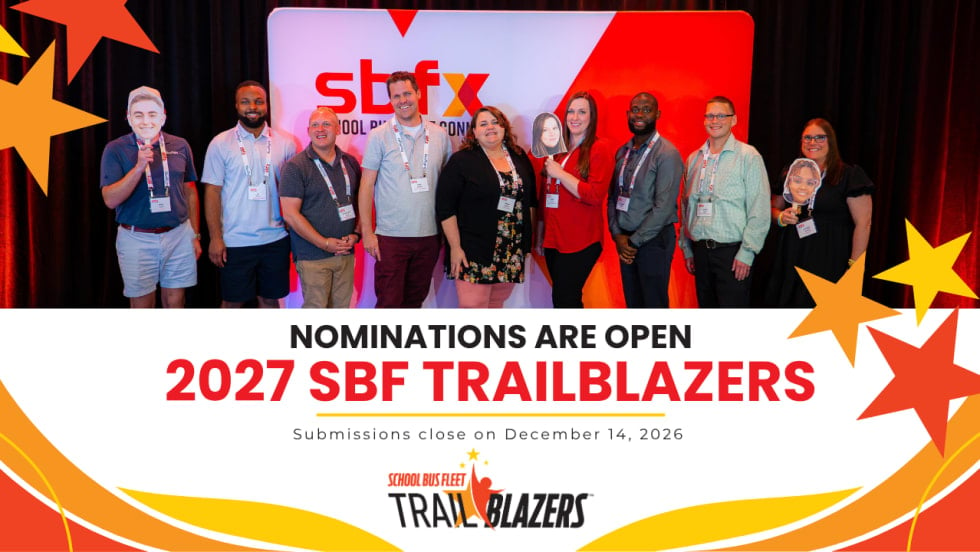
Nominate Rising School Transportation Pros Under 40!
We’re searching for the next generation of leaders making an impact across the K-12 student transportation industry to recognize as SBF’s 2027 Trailblazers. Nominations are open now!
Read More →