





Throwback: Why We Love the Bus & 10 Tips to Celebrate This Month
18 Ways to Support Your Transportation Team Beyond Thank-You Notes
Love the Bus Month is about more than thank-you notes. Learn how supporting the entire transportation team builds trust, culture, and retention year-round.
February 4, 2026
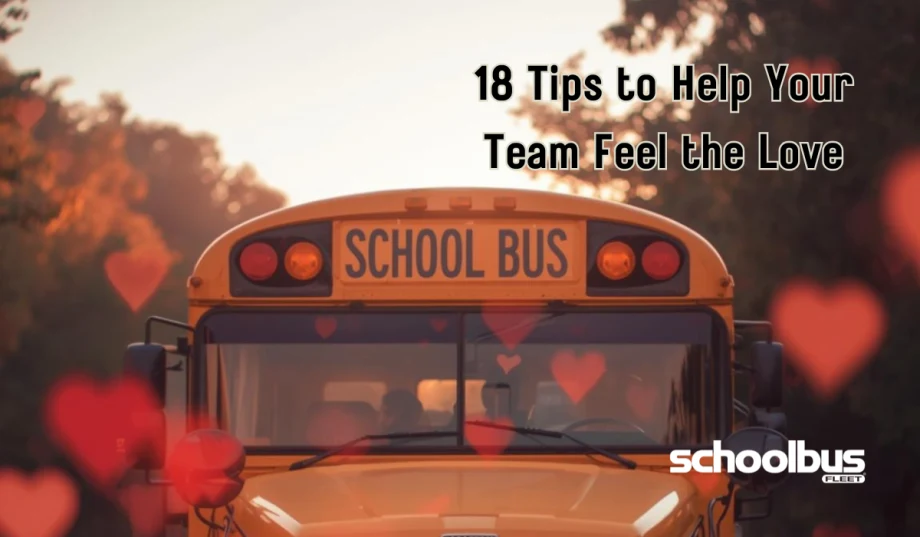
Real support goes beyond appreciation events. Here are some tips to keep your team engaged all year long.
Photo: School Bus Fleet. This is an AI-generated image. Refer to our Terms of Use.
4 min to read
- The focus of Love the Bus Month extends beyond thank-you notes to comprehensive support for transportation teams.
- Supporting transportation teams helps in building trust, enhancing workplace culture, and improving staff retention.
- Year-round engagement and support activities are essential for the long-term success of transportation teams.
*Summarized by AI
Here’s a fun fact about me: I love the Fast & Furious movies. Yes, even though they’ve gone on for way too long and jumped the shark long ago (according to some, but definitely not me). I love that it doesn’t take itself too seriously and embraces that it’s over the top. I even named one of my cats after a main character (Letty, for those who care), own the board game, and try to binge each flick before the next premieres.
The franchise is so embedded in my psyche that anytime I hear the word “family,” I think of Dom Toretto (played by Vin Diesel) getting the group together for another adventure, of course followed by a barbecue and some Coronas to celebrate a job well done.
The Fast crew considers each other family. They never let each other down, have each other’s backs, and drop everything to work together and focus on the mission.
Much like transportation teams. (Were you wondering when I was going to make the connection?)
It Takes a Village to Love the Bus
For school bus operations to function reliably and for communities to rely on their kids getting to school safely, they need to operate like a family. One where everyone has a role and contributes to a successful outcome (yes, even weird uncles deserve a seat at the table and a stake in the game).
That’s not to say it works perfectly at all times. Sometimes we have to pick up each other’s slack, sometimes we argue, sometimes we don’t feel heard. But, the best teams — and families — can navigate tough conversations, manage conflict, solve problems, and still get the job done.
This cannot happen with one person or one role alone.
Safe student transportation isn’t just the responsibility of the director or the driver. It takes everyone stepping up: drivers, aides, dispatchers, routers, mechanics, trainers, supervisors, school boards, superintendents, law enforcement, community partners, vendors, manufacturers, dealers, elected officials, and the broader community.
Let’s remember that this Love the Bus Month.
Yes, drivers need to be thanked and appreciated. But so do the many people behind the scenes who make each safe trip possible.
And that appreciation should go beyond a note in a mailbox or a treat on a table (but please do that, too). It should go beyond a pizza party. It should be something they feel when they wake up, when they show up, and when they head home.
Your entire team should feel the love no matter what month the calendar says. February is a great time to lean into that appreciation. Just don’t let it stop there. You set the tone for the team.
18 Ideas to Support Your Entire Team
Host regular 1:1s (beyond annual reviews) to check in. Ask how things are going and really listen.
Be available. Close your door and go on DND as you must, but your team also needs to know that they can come to you. Accessibility breeds trust.
Take student and parent behavior seriously. One of the most common complaints I hear in driver groups is that administration doesn’t follow through when drivers or aides have problems on the bus, leaving them feeling isolated.
Offer recognition and appreciation for all team members, not just the most visible ones, and even if it’s not someone you directly supervise.
Offer meaningful, personalized recognition. Tell people what they did well and recognize them in ways they’re comfortable receiving (i.e., introverts don’t always like public attention).
Do what you say. People remember broken promises.
Follow up. If a problem needs time to solve, don’t go silent.
Watch for burnout and encourage mental health support.
Offer training and development for skills beyond what’s in their job description.
Encourage their career growth and advancement opportunities.
Offer competitive pay and financial benefits. Kind words and gestures matter, but they don’t pay the bills.
Make sure appreciation is fair. Favoritism can build resentment.
Offer mentorship programs for new and veteran staff.
Offer opportunities to attend regional, state, or national conferences.
Nominate the stellar folks on your team for industry awards (School Bus Fleet has several!).
Clearly communicate expectations around roles and special projects, with accountability built in. Don’t leave anything to assumptions or guesswork.
Give them a voice when decisions will affect their work. This is core to good change management.
Model good behavior from the top. The golden rule goes a long way: Treat others how you want to be treated. Make Mister Rogers proud!
Mix and match what works for you. When you start to layer small actions like these into your culture, it shows your people that they matter. That builds trust. It improves retention. It strengthens teams.
Most importantly, when transportation teams feel supported, they make students feel supported, too. And that builds healthier communities and safe rides we all can count on.
What else do you recommend to maintain effective, engaged teams? Tell me your trusted tips at amanda.huggett@bobit.com.
Quick Answers
Supporting the transportation team beyond thank-you notes helps build trust, enhance workplace culture, and increase staff retention throughout the year.
*Summarized by AI
Subscribe to Our Newsletter
More Blog Posts
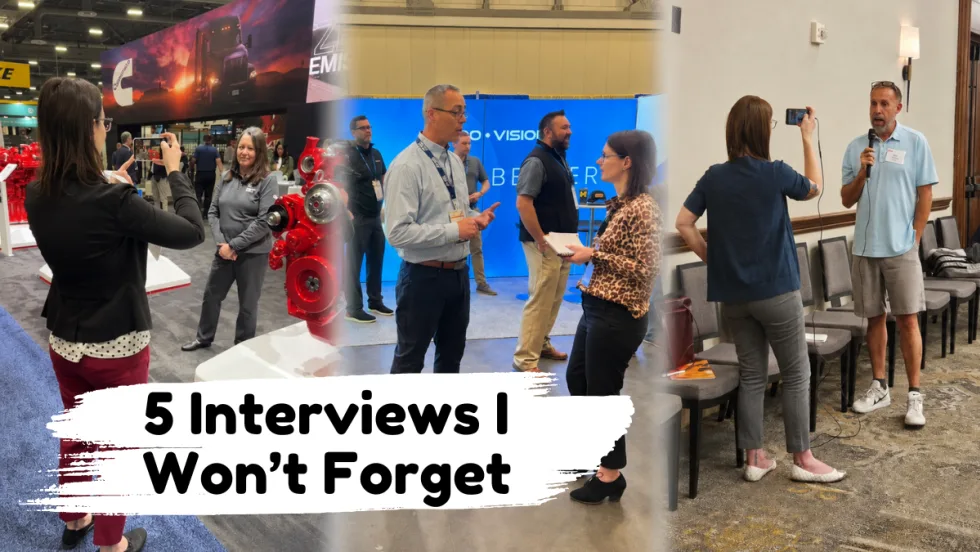
5 Video Interviews That Stuck With Me
After more than 100 episodes of The Route, SBF’s editor looks back at the unforgettable conversations and the school transportation lessons that we won’t forget.
Read More →
Leading with Compassion & Curiosity
What if the story you're telling yourself isn't true? Learning about emotional intelligence can improve communication and culture in school transportation and beyond.
Read More →
Key Trends Shaping The Future of School Transportation: ACT Expo Analysis
What’s next for the school bus market? We walked the show floor in Vegas to find out. From AI and V2G to battery breakthroughs and cutting-edge software, here’s what stood out.
Read More →
Suffering from Imposter Syndrome? You’re Not the Only One
Tips on fearing less instead of being fearless, and a powerful lesson from a group activity inspired by the 2025 NAPT keynote.
Read More →
My Own Trailblazers (and Why We Need More Women in Leadership)
From family influences to industry leaders, SBF’s editor reflects on the women who shaped her path and why representation in school transportation leadership matters.
Read More →
When Home Is the Headline: Finding Our Way Forward in Minneapolis [Op/Ed]
In this season of uncertainty, leadership means empathy, critical thinking, and showing up. Here, our editor’s personal reflection on what matters most when times are tough.
Read More →
Seventy Years on the Road Together
School Bus Fleet’s editor reflects on the magazine and the industry’s legacy, change, and what endures.
Read More →
Through Change and Choice: Key Insights from 2025 and the Road Ahead
The school bus industry navigated big changes in 2025. Here’s how we adapted, what the data reveals, and what lies ahead in 2026.
Read More →
The Hidden Risks on the Road
Even the best school bus drivers can’t prevent every danger. As technology races and tempers rise behind the wheel, transportation pros face new challenges beyond the driver’s control.
Read More →
40 Things I Learned in My First Year as SBF Editor
Twelve months, almost 100 interviews and articles later, and countless lessons learned. Here are 40 key takeaways SBF’s editor learned about school buses, safety, and the people who keep students moving.
Read More →