





Last Month’s Blog: Lessons Learned in Leadership… So Far
Helping Others through Natural Disaster
School buses are used for more than student transportation. In the face of natural disaster, they can represent hope and recovery. In this blog, SBF’s editor recalls living through Midwestern events and shares the story behind our special guide to help others weather the storm.
May 22, 2025
What other natural disasters recovery and response tips do you have?
Photo: SBF/Canva
4 min to read
As a Midwesterner, I have very little experience with natural disasters — or at least the kind that can be life-altering in the worst way.
My Experience with (Not too Damaging) Disasters
Growing up in northern Indiana, a couple tornadoes swirled around town, doing no more damage than tearing down a few trees, which of course fell on power lines, and scattering debris around.
When I moved to Fargo, North Dakota, I lived through two new-to-me weather events. Annual winter blizzards — always a couple that produced white-out conditions but posed no real threat since schools, businesses, and highways closed. Then, in the transition from winter to spring, came the annual floods. Every year as the snowfall melted, it trickled into the Red River (one of the only rivers that flows North, btw!) and rose. Only one small low spot in town was usually affected with an easy reroute, and it became old hat.
However, in spring 2009, the annual Fargo flood was not typical. The river flooded as always, but as we watched its crest predictions, it rose higher and higher and higher thanks to the timing of the thaw and extra precipitation. It began to threaten the city’s downtown, which is positioned just along the river. Roads, bridges, and some homes were swallowed. Many were evacuated and more were on standby. Residents from the entire metro — and National Guard — came together in an inspiring and grueling effort to sandbag and protect the town from the rising waters (the city later funded a diversion).
At the time, I worked for the local newspaper, and remember having to park further away than usual and step over sandbags to get in the building. It was eerie when it was no longer business as usual and streets were empty. Three people lost their lives, some homes were demolished, and road damage was extensive. But, compared to other disasters across the country, we were lucky.
Reading reports on the LA fires last January and watching footage from too many hurricanes lately has been gut-wrenching. With such widespread devastation and loss, you begin to remember humans’ mortality and how little control we sometimes have. It was hard to watch from afar, and I’ll likely never begin to know the fear that plagued those experiencing it firsthand.

Our family's dog, Muffin, checks out the tornado damage to our yard and truck, circa 1997. Just off frame, a row of trees were uprooted in our driveway.
Photo: Amanda Huggett
A Guide to Disaster Planning
You'll soon probably notice that the June-July 2025 issue of SBF looks a little different than normal. The reason why lies in what happens during natural disasters like these.
Our parent company’s executive leadership strongly believes in supporting our audiences with information that not only helps them perform their jobs better and increases efficiency, but can also be life-saving. That’s of course, our mission here at SBF, too.
We know that there is much to learn from others’ experiences, and that’s exactly what we seek to do in our next special summer issue. So, we teamed up with our sister magazines to produce a report on natural disaster preparedness. To tell the stories of various fleets’ experiences and share what they learned that may help someone else navigate things like fueling, vehicle readiness, facilities and operations, people and community coordination, and connectivity.
So, in the front half of your hard copy of SBF, you’ll find the usual. But flip it around and see a special guide spanning multiple industries. This report will also be available online in June, and in the print issues of Heavy-Duty Trucking, METRO, Work Truck, Automotive Fleet, Government Fleet, and more. We thank AT&T for their support of this edition.
In our June-July issue, you’ll also find a special feature on how hurricanes, floods, and fires have impacted school transportation operations.
Despite the burden that ruined buses and routing pivots can have on what we do, the yellow bus can also serve as a beacon of hope. There are countless stories of how school buses have saved the day in the face of disaster, transporting people to safe shelter or helping with storm cleanup efforts. In these moments, the school bus is more than just a vehicle — it’s a symbol of resilience and community.
We hope this special issue not only informs, but empowers you to prepare, protect, and respond with the same courage and compassion we’ve seen time and again.
If you’ve lived through a natural disaster and want to share your experience or think we missed some important tips, please email me at amanda.huggett@bobit.com.
P.S. Seats are filling up fast for our 2025 SBFX event in September in Arizona. I would love to meet you there, and operators can attend for free! Please apply to attend before it’s too late.
Subscribe to Our Newsletter
More Blog Posts
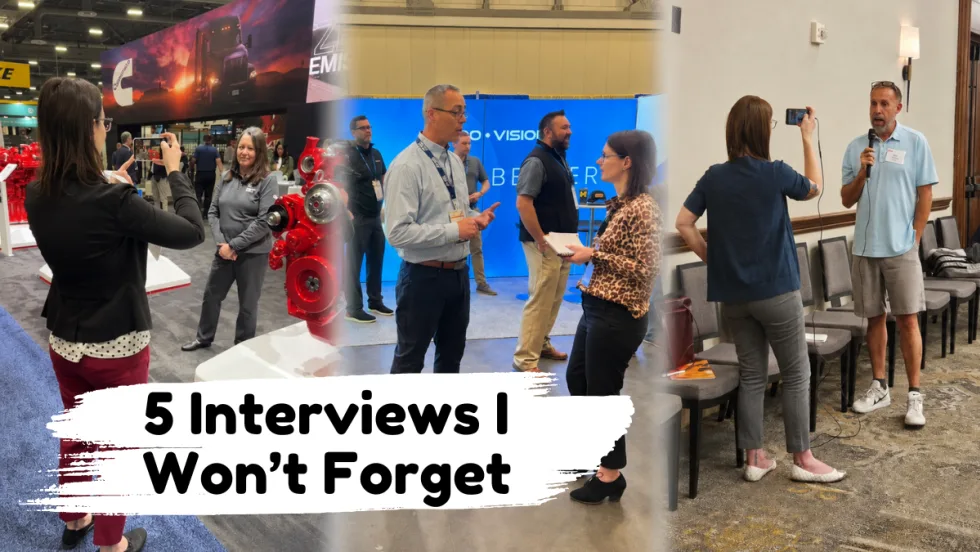
5 Video Interviews That Stuck With Me
After more than 100 episodes of The Route, SBF’s editor looks back at the unforgettable conversations and the school transportation lessons that we won’t forget.
Read More →
Leading with Compassion & Curiosity
What if the story you're telling yourself isn't true? Learning about emotional intelligence can improve communication and culture in school transportation and beyond.
Read More →
Key Trends Shaping The Future of School Transportation: ACT Expo Analysis
What’s next for the school bus market? We walked the show floor in Vegas to find out. From AI and V2G to battery breakthroughs and cutting-edge software, here’s what stood out.
Read More →
Suffering from Imposter Syndrome? You’re Not the Only One
Tips on fearing less instead of being fearless, and a powerful lesson from a group activity inspired by the 2025 NAPT keynote.
Read More →
My Own Trailblazers (and Why We Need More Women in Leadership)
From family influences to industry leaders, SBF’s editor reflects on the women who shaped her path and why representation in school transportation leadership matters.
Read More →
18 Ways to Support Your Transportation Team Beyond Thank-You Notes
Love the Bus Month is about more than thank-you notes. Learn how supporting the entire transportation team builds trust, culture, and retention year-round.
Read More →
When Home Is the Headline: Finding Our Way Forward in Minneapolis [Op/Ed]
In this season of uncertainty, leadership means empathy, critical thinking, and showing up. Here, our editor’s personal reflection on what matters most when times are tough.
Read More →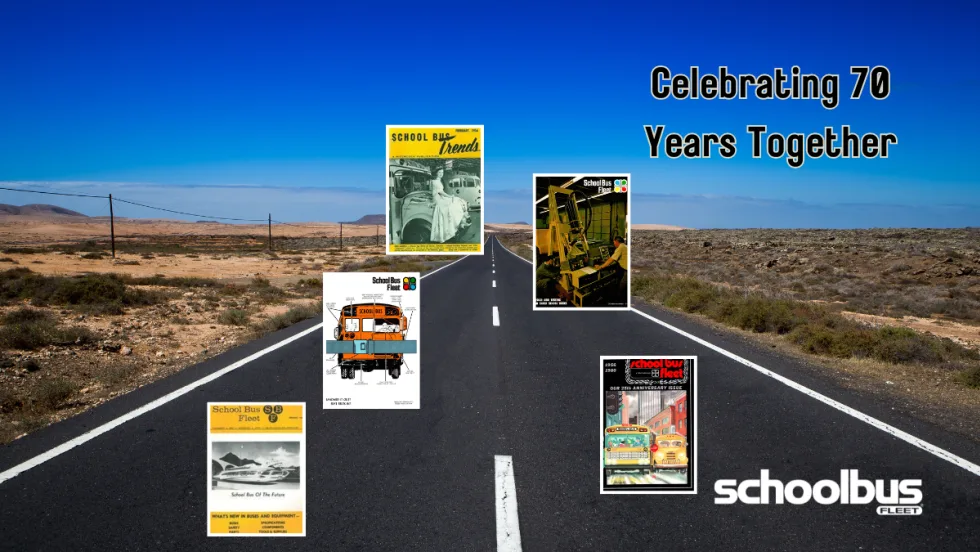
Seventy Years on the Road Together
School Bus Fleet’s editor reflects on the magazine and the industry’s legacy, change, and what endures.
Read More →
Through Change and Choice: Key Insights from 2025 and the Road Ahead
The school bus industry navigated big changes in 2025. Here’s how we adapted, what the data reveals, and what lies ahead in 2026.
Read More →
The Hidden Risks on the Road
Even the best school bus drivers can’t prevent every danger. As technology races and tempers rise behind the wheel, transportation pros face new challenges beyond the driver’s control.
Read More →