




What Went Wrong in Fatal Crash
The National Transportation Safety Board (NTSB) determined that the school bus driver’s failure to follow standard rail crossing safety procedures was...

The National Transportation Safety Board (NTSB) determined that the school bus driver’s failure to follow standard rail crossing safety procedures was the probable cause of the March 28, 2000, grade crossing tragedy that claimed the lives of three Georgia schoolchildren. In its final report, the NTSB said driver Rhonda Cloer failed to stop the bus before crossing the railroad tracks. As a result, the bus was rammed by a CSX freight train traveling approximately 50 mph. Seven children were aboard the bus. Of the four who survived, three were seriously injured and one suffered only minor injuries. Cloer also was seriously injured. In addition to not stopping at the rail crossing, the NTSB reported that Cloer might not have heard the train because she had the radio on. An additional factor in the crash was the school district’s failure to monitor the performance of its drivers. The NTSB reported that Murray County School District, which employed Cloer, did not identify or correct improper behavior. Cloer reportedly failed to stop at the rail crossing at least eight times before the day of the fatal incident, based on video provided by the camera in her bus. The NTSB report suggested that a stop sign placed at the crossing might have prevented the accident. (In the wake of the crash, flashing warning lights and a gate have been added to the crossing, which only had crossbucks at the time of the crash.) The NTSB also said the school district was deficient in its school bus route planning, failing to identify hazards on routes and to eliminate the necessity of crossing railroad tracks. In its final report, the NTSB issued a series of safety recommendations. To the states: In cooperation with the National Association of State Directors of Pupil Transportation Services (NASDPTS), develop and implement initiatives for passive grade crossings and school buses that includes installation of stop signs and enhanced driver training and evaluation, including review of onboard videotape when available. To the National Highway Traffic Safety Administration: Implement a rulemaking to prohibit radio speakers used for music or entertainment from being placed adjacent to drivers’ heads. Evaluate the feasibility of incorporating automatic crash notification systems on school buses and, if feasible, proceed with system development. To NASDPTS: Encourage the association’s members to use the Federal Railroad Administration’s Web-based accident prediction system or the states’ hazard indexes for grade crossings when developing school bus routes and to notify members of how and why the driver’s lap-shoulder belt tore in this accident and of the potential consequences of large longitudinal distances between lap-shoulder belt anchor points. To school bus manufacturers: Discontinue the installation of radio speakers used for music or entertainment near the driver’s head.
More Safety
FMCSA Names New Chief Safety Officer: What School Bus Operators Should Know
Steve Dowling is set to lead the federal agency's efforts to advance commercial motor vehicle safety and reduce crashes, fatalities, and injuries on the nation's roadways.
Read More →
New Study Finds School Zone Speed Safety Cameras Cut Speeding Violations 97%
A Florida university's research demonstrates that Verra Mobility's automated enforcement changes driver behavior and significantly improves school zone safety.
Read More →
What Changed in DOT’s New National Roadway Safety Strategy?
The federal agency's new plan shifts its focus to safer people, roads and vehicles, with a new three-pronged approach instead of five. One outlined action even addresses a key industry concern around illegal school bus passing.
Read More →
Are Autonomous Vehicles Ready to Safely Navigate School Bus Stops?
NHTSA is accelerating autonomous vehicle deployment through new safety standards and commercial approvals. See why school transportation leaders are watching.
Read More →
NFL Star Lomas Brown Kicks Off New Illegal School Bus Passing PSA
Just in time for the back-to-school season, the former Detroit Lions offensive tackle took time to record a video encouraging motorists to slow down around school buses.
Read More →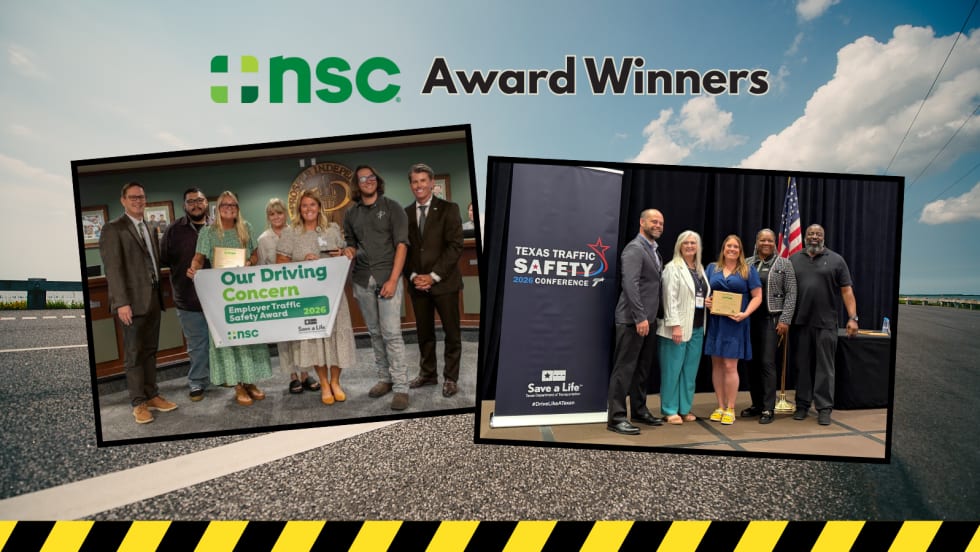
How Two Texas Districts Built Award-Winning Safety Programs
Learn how Prosper ISD and Rockwall ISD earned National Safety Council honors through hands-on training, safety culture, and strategies that reduced transportation incidents.
Read More →
NHTSA Releases 10-Year Review of Fatal School Bus Crashes
The latest federal analysis reinforces the safety of school buses while identifying where school-age pedestrians and other motorists remain most at risk.
Read More →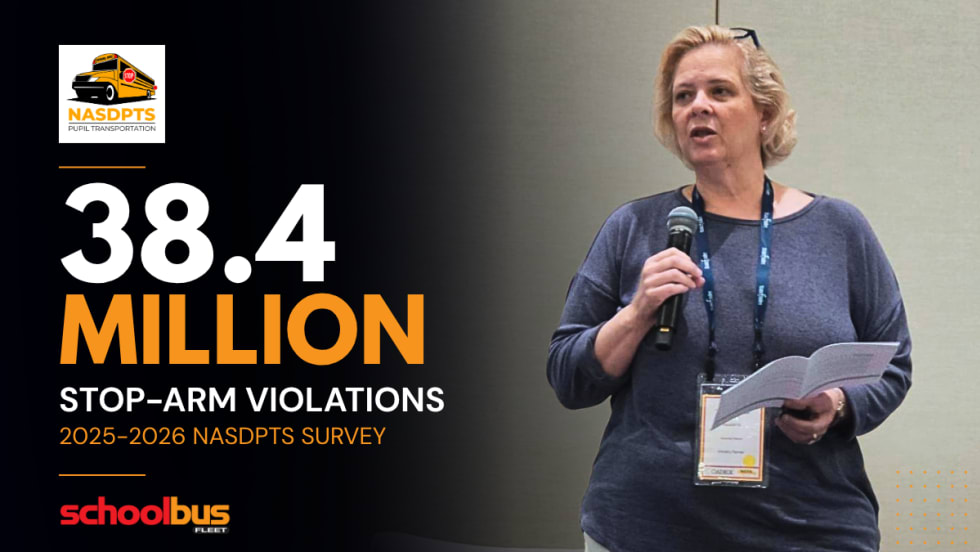
2026 NASDPTS Survey: Data Shows Further Reduction of Illegal Passing
New data is in! School bus stop-arm passings are down to 38.4 million violations per year, about a 2.3% decrease from last school year — but passings on the right side of the bus are higher than ever.
Read More →
Another School Bus Fatality Reported in Monsey, New York
A 7-year-old girl died after being struck by a school bus in Rockland County, New York while crossing the street. Here's what we know.
Read More →
NSTA Announces 2026 School Bus Driver International Safety Competition Winners
Drivers from across the U.S. and Canada showcased their safety and driving skills, with two defending champions successfully retaining their titles.
Read More →