




What Readiness Looks Like This School Year
Learn about the challenges shaping the 2026–2027 school year, from persistent driver shortages and budget pressure to technology and readiness gaps. See how school districts are responding and adapting in Zonar’s 2026 Back-to-School Readiness Report.

Zonar Systems

- New national survey data examines factors causing delays in school bus fleets as the fall season approaches.
- The report highlights strategies employed by certain fleets to effectively manage and overcome these delays.
- Successful readiness in school bus management is characterized by specific operational adjustments and proactive measures.
*Summarized by AI
School districts open the doors on a new year facing the same questions every fall... do we have enough drivers, enough routes and enough budget to keep buses moving? A national survey of transportation directors and operations leaders from Zonar and School Transportation News puts numbers behind what many fleets already feel heading into the 2026-2027 school year in their latest report on Back to School Readiness.
The workforce pressure behind the numbers
Driver staffing tops the list of concerns heading into fall. 77% of respondents name driver availability and route coverage as their biggest prep challenge, and the data explains why. The national school bus driver workforce has dropped 9.5% since 2019, a loss of roughly 21,200 drivers, while the median wage for the role sits at $22.45 an hour. Fewer drivers spread across the same routes means dispatchers build schedules with less slack and less room for a sick day or a last-minute resignation.
Zonar Systems
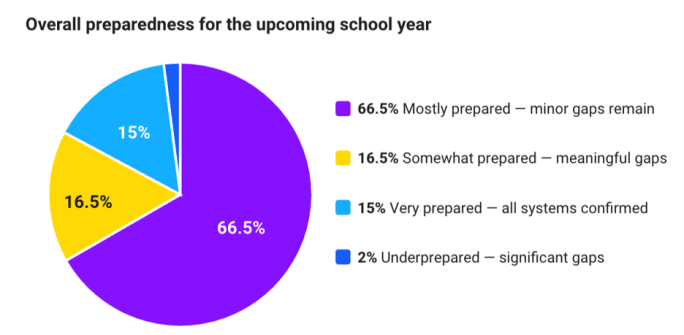
Most fleets call themselves prepared for the year ahead. 81% report they're prepared or mostly prepared for opening day. Look closer at that number and the picture gets more nuanced with only 15% say they're fully prepared with every system confirmed, while 66% land in “mostly prepared.” Another 18% carry real gaps into the first week of school, the kind that show up as late routes and frustrated parents before the first bell rings.
Budgets hold steady while costs climb
Workforce pressure meets a second constraint: money. 60% of districts report a flat or declining technology budget for the coming year, and 10% carry no dedicated tech budget at all. Only 30% saw any increase. Meanwhile, diesel prices climbed 57% year over year, from $3.58 to highs of $5.61 a gallon in 2026, eating into operating budgets that were already stretched thin.
Zonar Systems
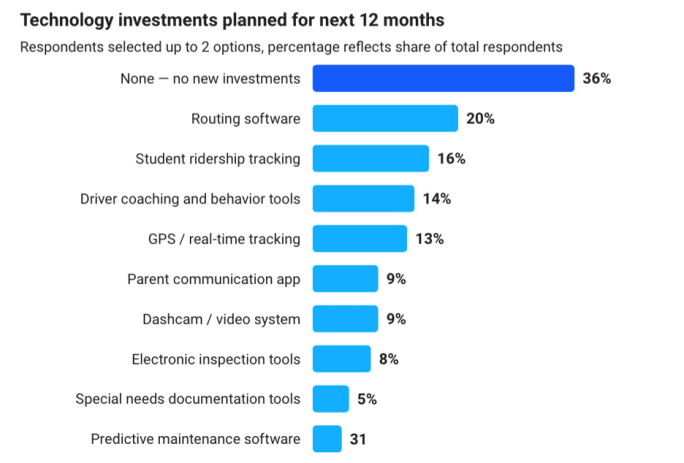
36% of districts plan no new technology investments this year. Among the 64% that are investing, routing software leads the list at 20%, followed by student ridership tracking at 16%, driver coaching tools at 14% and real-time GPS tracking at 13%. The pattern points to districts prioritizing tools that make existing staff and routes more efficient, ahead of expanding headcount that's hard to find or fund.
Getting a decision made takes a team
Buying a new tool takes more than a good case. Just 24% of transportation directors hold final purchase approval on their own. Superintendents sign off 31% of the time, school boards 21% and finance departments 14%. 32% of districts report a procurement cycle of six to 12 months from first conversation to signed contract.
That timeline changes how transportation directors build their case. 51% point to safety data as their strongest argument for new technology, ahead of the 39% who lead with cost savings or return on investment. Directors making the case internally need both stories ready: the safety case for the board and the financial case for finance.
What readiness looks like
The fleets that head into fall with confidence share a few habits. They start staffing conversations early, often months before the first bus route runs. They build the budget case around data district leaders already trust, safety records and cost per mile, instead of treating technology as a hard sell. And they treat procurement as a process to plan around, not a hurdle to clear at the last minute.
The Back to School Readiness report lays out the full survey findings, including a state-by-state look at driver shortages and a breakdown of how top-performing districts approach budget and procurement. Read the full report: https://www.zonar.com/reports/2026-back-to-school-readiness-report
Discover what fits your operation →
This article reflects the views of Zonar Systems and does not necessarily represent the views of School Bus Fleet or Bobit Business Media.
Quick Answers
The survey data indicates that various logistical and operational challenges are contributing to delays in school bus fleets, which include staff shortages, vehicle maintenance issues, and route management complexities.
*Summarized by AI
More Management

Changing Lanes: Executive Moves at Summit School Services, Zum, STA, Cummins, Transit Technologies, Driventic, & Cadex
See who's been hired, promoted, and appointed to leadership positions at various school transportation industry suppliers and private contractors.
Read More →
Texas Sixth Grader Wins 2026 National School Bus Safety Poster Contest
Sai Darshana Yekolu of Moseley Middle School in Prosper, Texas, was named the newest winner for her artwork, bringing the theme of “Safe Rides, Everyday Heroes” to life.
Read More →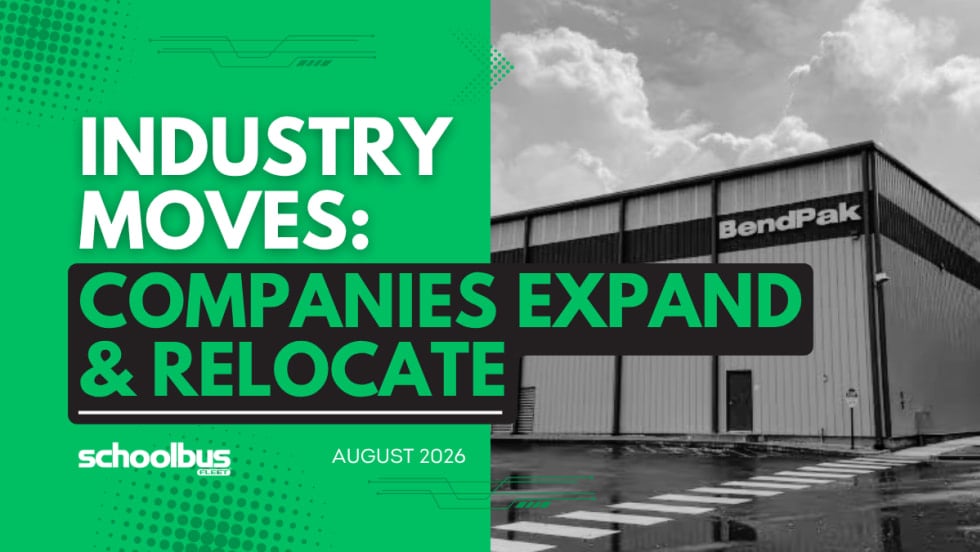
Industry Moves: Companies Expand Fleet Service & EV Infrastructure Footprints
The new facilities and regional hubs could mean faster access to shop equipment, charging support, and transportation technology for fleet operators.
Read More →


Doing More With Less: How Transportation Directors Can Prioritize Safety Amid Budget Uncertainty
With diesel prices soaring and nearly one-third of transportation directors expecting budget cuts, maintaining student safety has never been more challenging. Download this guide to learn how leading districts are prioritizing risk, funding critical safety technology, and building stronger budget cases with data.
Read More →
Walton County Schools Adds Gatekeeper Stop-Arm Enforcement System
The Florida district will deploy Gatekeeper’s updated Student Protector technology, which now incorporates AI to improve video evidence.
Read More →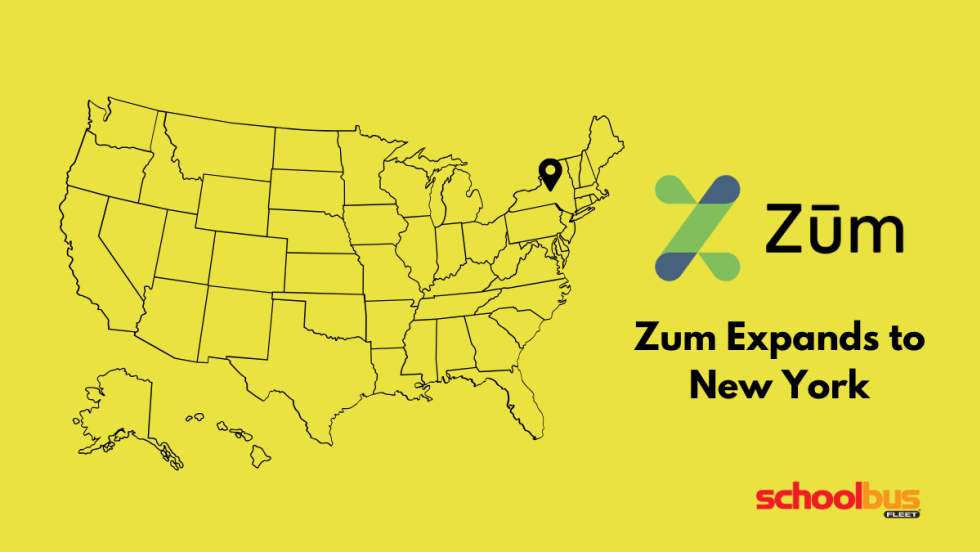
Zum Reaches 19 States With New York Expansion
The addition of the Empire State to the student transportation company's roster marks a growing expansion in the Northeast as it scales its tech and school bus services.
Read More →
First Student Updates Its Parent App
First View connects both yellow bus and alternative transportation, giving families one platform to track student trips for the new school year, with 15 languages supported.
Read More →
The Back-to-School Checklist Every Director Should Complete Before the First Bell
Help your transportation team start the school year strong with these tips for contingency planning, communication, fleet visibility, technology, and trip management.
Read More →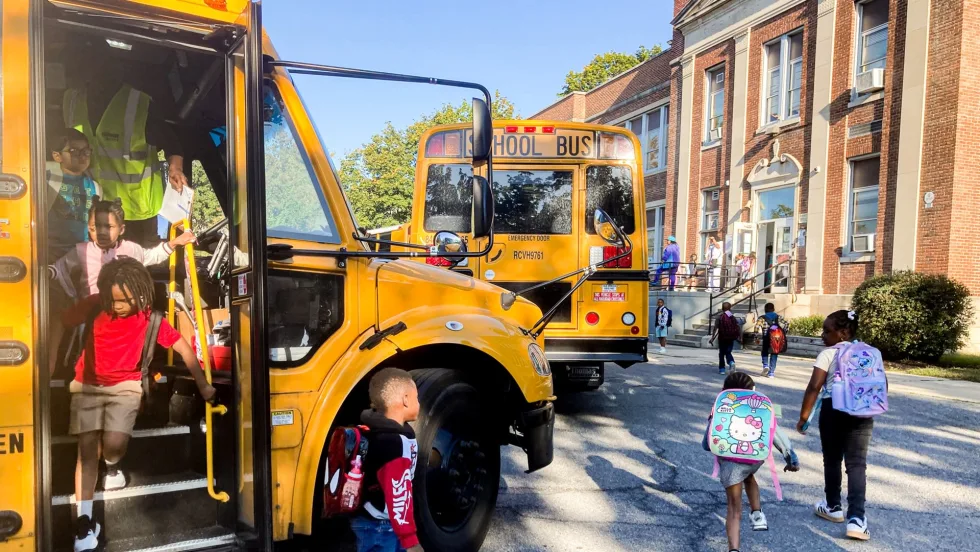
How a New York District Cut Nearly $1M in Transportation Costs While Expanding Bus Access
A data-driven overhaul with BusRight reduced Poughkeepsie City School District's planned routes from 26 to 17 while extending school bus service to about 1,200 additional students.
Read More →
Budgets Down, Enrollment Shifting: What the Data Says Districts Should Watch
School transportation departments face two converging challenges this year: tightening budgets and shifting enrollment. Most districts still address these issues separately, but the assumption that either trend will simplify operations is proving incorrect.
Read More →